check

check

check

check

check

check
In the dynamic world of industrial automation, precision, reliability, and durability are non-negotiable. The Q&W Proximity Sensor operating within a 6-36V DC range stands as a cornerstone component for countless applications, from manufacturing assembly lines to complex robotic systems. This inductive sensor is engineered to detect the presence or absence of metallic objects without any physical contact, ensuring wear-free operation and minimal maintenance. Its wide voltage compatibility makes it exceptionally versatile, capable of integrating seamlessly into various control systems, whether they operate on standard 24V DC industrial circuits or other voltages within its specified range.
The core technology behind the Q&W Proximity Sensor is based on the principle of electromagnetic induction. The sensor generates an oscillating electromagnetic field from its sensing face. When a metallic target enters this field, eddy currents are induced in the target, causing a change in the oscillation amplitude. This change is detected by the sensor's internal circuitry, which then triggers a solid-state switch to change its output state. This entire process happens in microseconds, providing real-time, high-speed detection crucial for modern automation timing. The 6-36V operating window ensures stable performance even in environments with potential voltage fluctuations, a common scenario in industrial plants with heavy machinery cycling on and off.
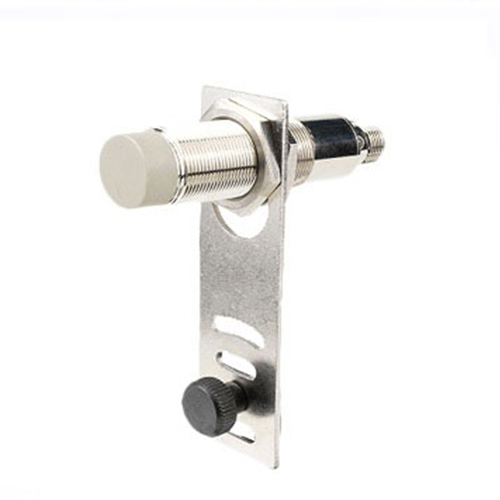
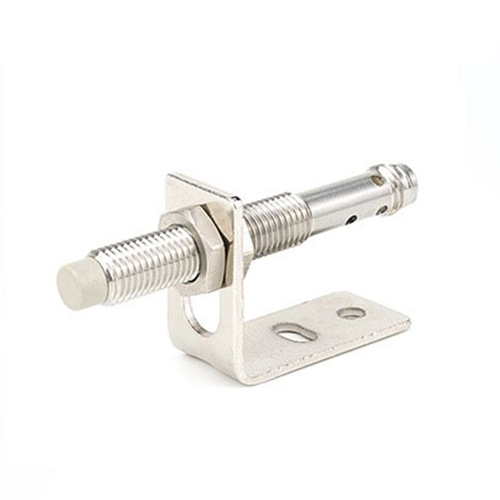
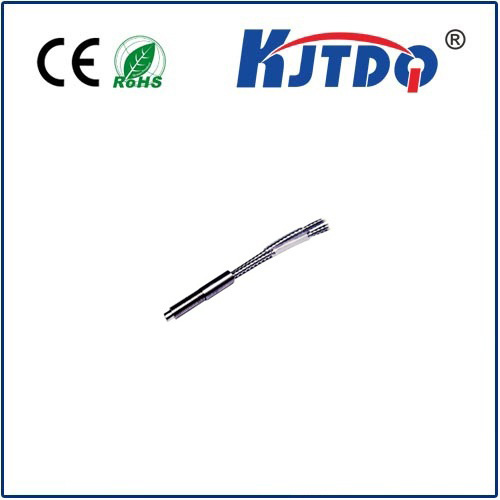
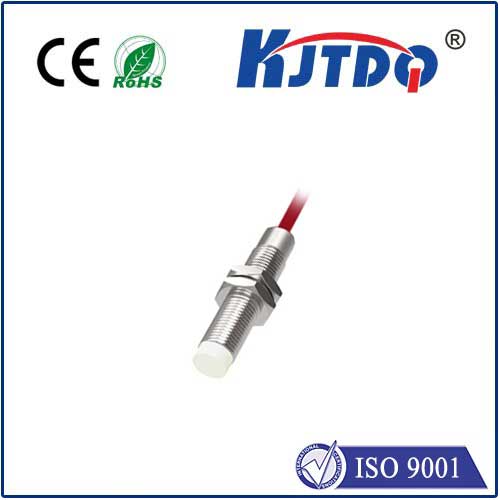
One of the most significant advantages of this sensor is its robust construction. Typically housed in a nickel-plated brass or stainless-steel barrel, it is designed to withstand harsh industrial environments. It is resistant to common contaminants like dust, oil, and coolant splashes, often conforming to IP67 or higher ingress protection ratings. This means it can perform reliably in settings ranging from clean CNC machining centers to gritty automotive welding shops. The sensor is also immune to ambient light and sound, unlike photoelectric or ultrasonic sensors, making it the preferred choice for dirty or noisy locations.
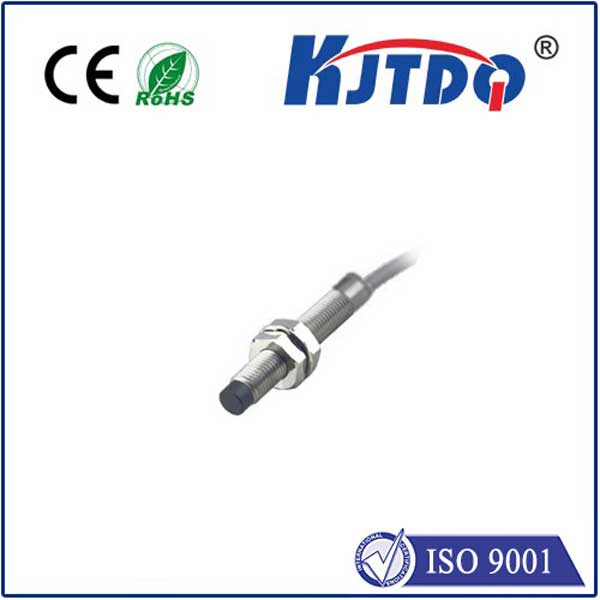
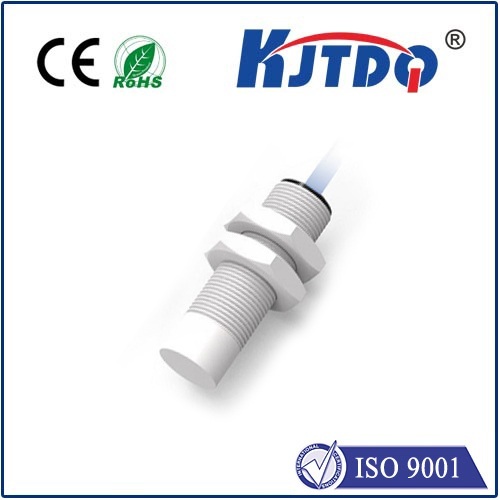
Installation and integration are straightforward. The Q&W Proximity Sensor typically features a standard M8, M12, or M18 threaded cylindrical body, allowing for easy mounting in drilled holes or brackets. Its wiring is simple, usually involving three wires: brown for positive DC supply, blue for negative/common, and black for the output signal. The output can be either NPN (sinking) or PNP (sourcing), providing flexibility to interface with different types of programmable logic controllers (PLCs) and control modules. The long electrical service life, often rated for tens of millions of switching cycles, translates to a lower total cost of ownership despite the initial investment.
Application scenarios are vast and varied. On a packaging line, these sensors are used to count metallic cans or detect the position of a filler head. In automotive manufacturing, they ensure robotic arms have correctly picked up a metal component before welding. Within material handling systems, they provide position feedback for metallic pallets on conveyors. Machine tools use them for tool breakage detection or to confirm a workpiece is in place before a cycle starts. The 6-36V range is particularly useful for mobile equipment and vehicles, where electrical systems might not provide a perfectly stable voltage.
When selecting a sensor for a specific task, key specifications beyond voltage must be considered. The sensing distance, or nominal range, is critical—common ranges are 2mm, 4mm, or 8mm for standard cylindrical models. It's vital to note that this is the detection range for standard mild steel; for other metals like stainless steel, aluminum, or copper, the effective sensing distance is reduced and requires consultation of the manufacturer's correction factors. The switching frequency, or how many times per second the sensor can detect an object, determines its suitability for high-speed applications. Environmental factors like temperature extremes also play a role in model selection.
Troubleshooting is generally minimal, but understanding common issues ensures uptime. If a sensor fails to detect an object, verify the target material is metallic and within the specified sensing distance. Check the power supply voltage with a multimeter to ensure it is within the 6-36V range and that wiring connections are secure and correct. Ensure the sensing face is clean and free from metal chips or buildup that could cause false triggering. For sensors with LED indicators, a solid or blinking light can often diagnose power, output, or error states as per the product manual.
The Q&W Proximity Sensor 6-36V represents more than just a component; it is a fundamental enabler of efficiency and safety in automated processes. Its ability to provide consistent, contactless feedback on object presence forms the backbone of machine control logic. By choosing a sensor with this broad voltage range, engineers and system integrators future-proof their designs, allowing for flexibility in power system design and compatibility with a wider array of existing equipment. In an industry where downtime is measured in lost revenue, the reliability offered by a well-specified proximity sensor is invaluable. As automation continues to evolve towards smarter, more connected systems, the role of such robust and versatile sensing technology only becomes more central to operational success.