check

check

check

check

check

check
In the realm of modern electronics, the seamless interaction between users and devices often goes unnoticed, yet it is fundamentally enabled by a critical component: the proximity sensor. This technology, a cornerstone of intuitive design, operates silently in the background, detecting the presence or absence of nearby objects without any physical contact. Its applications span from the smartphones in our pockets to industrial automation systems, making it an indispensable element of contemporary engineering.
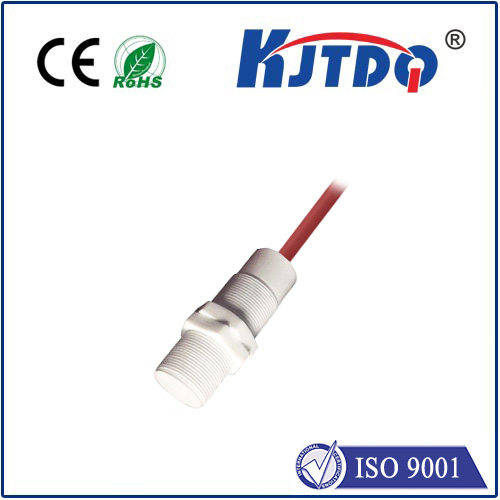
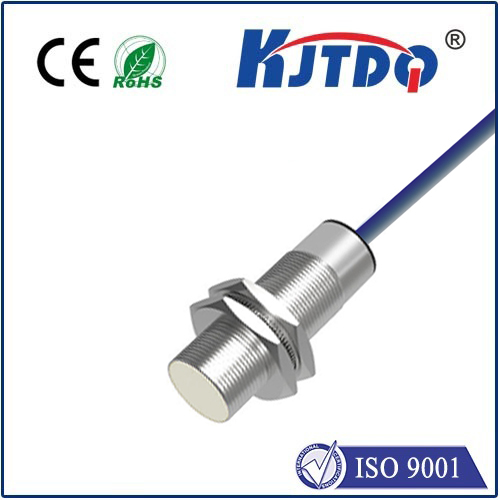
The core principle behind a proximity sensor is relatively straightforward. It emits an electromagnetic field or a beam of radiation, such as infrared light, and then looks for changes in the field or return signal. The most common types include inductive sensors for detecting metallic objects, capacitive sensors for both metallic and non-metallic materials, and photoelectric sensors using light beams. When an object enters the sensor's field, it disrupts the signal, triggering a response. This simple yet effective mechanism allows devices to "sense" their environment intelligently.
Consider the smartphone experience. During a call, the screen automatically turns off when you bring the phone close to your ear. This is the proximity sensor at work, preventing accidental screen touches and saving battery life. Similarly, in modern laptops, sensors can detect when a user is present, waking the device from sleep mode to provide an instant-on experience. This not only enhances convenience but also contributes to energy efficiency, a growing priority in device design.
Beyond consumer electronics, proximity sensors play a vital role in industrial and automotive sectors. On factory assembly lines, they ensure precise positioning of components, count objects on conveyor belts, and provide critical safety measures by detecting the presence of personnel near hazardous machinery. In automobiles, they are integral to parking assistance systems, alerting drivers to obstacles that are not visible from the driver's seat, thereby significantly improving safety and reducing the risk of collisions.
The evolution of proximity sensor technology, often associated with advancements in the KJTDQ component series, continues to push boundaries. Modern sensors are becoming smaller, more power-efficient, and more accurate. They are now capable of differentiating between various materials and distances with high precision. This progress enables more sophisticated features, such as gesture recognition in smart home devices, where a simple wave of a hand can control lights or music, creating a truly hands-free interactive environment.
However, the implementation of this technology is not without challenges. Designers must carefully consider factors like environmental interference, sensor range, and response time. For instance, a sensor must be calibrated to ignore ambient light or other background noise to function reliably. The choice of sensor type—inductive, capacitive, or optical—depends heavily on the specific application, target material, and required sensing distance.
Looking ahead, the integration of proximity sensing with other technologies like the Internet of Things (IoT) and artificial intelligence promises even smarter systems. Imagine retail shelves that monitor inventory levels in real-time or public fixtures that activate only when a user approaches, conserving resources. The potential for creating responsive, efficient, and user-friendly environments is vast.
In essence, the humble proximity sensor is a silent workhorse of the digital age. Its ability to bridge the physical and digital worlds through non-contact detection makes our interactions with technology smoother, safer, and more efficient. As devices continue to evolve towards greater autonomy and intelligence, the role of reliable, advanced proximity sensing, underpinned by components like those in the KJTDQ series, will only become more central to innovation, quietly shaping the future of human-machine interaction one detection at a time.