check

check

check

check

check

check
In the realm of modern electronics, the seamless interaction between humans and devices often hinges on a small, yet profoundly intelligent component: the proximity sensor. This technology, a cornerstone of user interface design, operates silently in the background, detecting the presence or absence of nearby objects without any physical contact. Its applications span from the smartphone in your pocket to industrial automation systems, making it a critical element in enhancing functionality, safety, and energy efficiency.
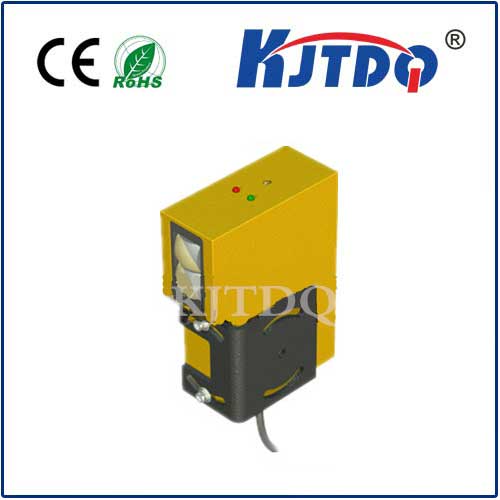
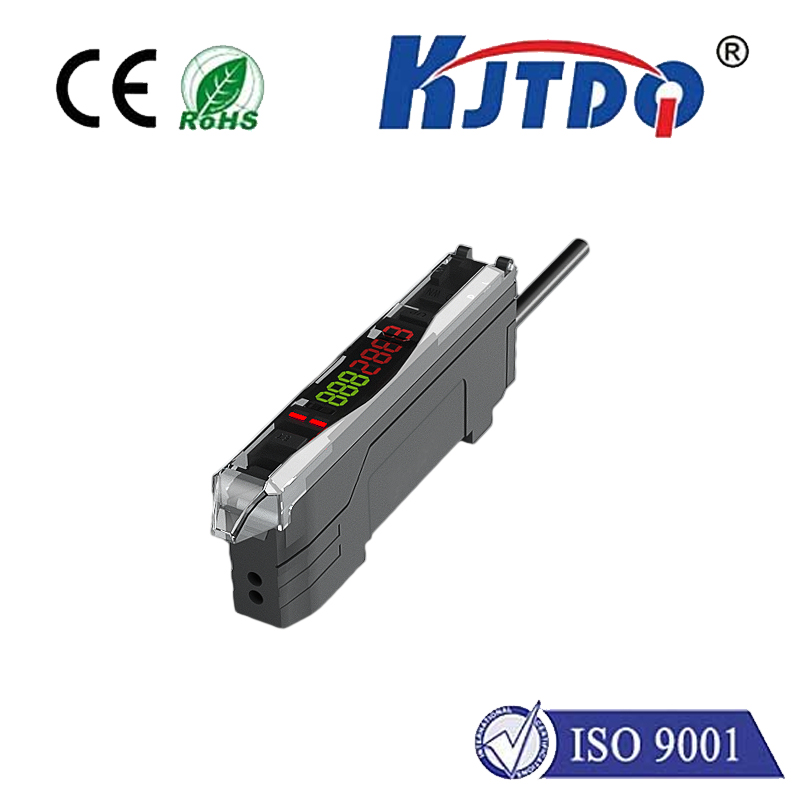
The fundamental principle behind a proximity sensor involves emitting an electromagnetic field or a beam of radiation, such as infrared light. It then looks for changes in the field or return signal. The most common types include inductive sensors for detecting metallic objects, capacitive sensors for both metallic and non-metallic materials, and photoelectric sensors using light beams. When an object enters the sensor's predefined range, it disrupts the field or reflects the beam back, triggering a detection signal. This simple action forms the basis for countless automated responses in our daily tech.
Consider the smartphone experience. When you lift your device to your ear during a call, the screen automatically turns off. This is the proximity sensor at work, preventing accidental screen touches from your cheek or ear. It conserves battery life and improves usability. Similarly, in laptops, proximity sensors can detect when a user is present, waking the device from sleep mode to provide instant access, thereby blending convenience with power management.
Beyond consumer electronics, the industrial impact is substantial. In manufacturing and packaging lines, proximity sensors ensure precise positioning of components, count objects on conveyor belts, and provide critical safety measures by detecting the presence of personnel near hazardous machinery. Their reliability, speed, and non-contact nature make them indispensable in environments where precision and safety are paramount. They reduce mechanical wear and tear, lower maintenance costs, and enhance overall system longevity.
The automotive industry integrates proximity sensors for advanced driver-assistance systems (ADAS). Parking sensors, for instance, use ultrasonic or electromagnetic proximity detectors to alert drivers to obstacles, significantly reducing the risk of low-speed collisions. Emerging applications include gesture recognition within vehicle cabins, allowing drivers to control infotainment systems with simple hand movements without diverting attention from the road.
Energy efficiency receives a significant boost from this technology. In smart lighting systems, proximity sensors detect occupancy in rooms, automatically turning lights on when someone enters and off when the space is vacant. This application in commercial buildings and homes leads to substantial reductions in energy consumption and operational costs. Public facilities like restrooms and airports also employ these sensors for touchless faucets, soap dispensers, and hand dryers, promoting hygiene and resource conservation.
The evolution of proximity sensing continues with miniaturization and integration. Modern sensors are becoming smaller, more accurate, and less power-hungry. They are being fused with other sensors, such as ambient light sensors, to create more context-aware systems. For example, a device might use both sensors to determine if it is in a pocket (dark and close to an object) versus on a table (potentially bright and unobstructed), enabling more nuanced power and display settings.
Development challenges persist, including improving detection accuracy for diverse materials and surfaces, reducing false triggers in complex environments, and ensuring consistent performance under extreme temperatures or conditions. However, ongoing research in materials science and signal processing algorithms promises next-generation sensors with greater range, sensitivity, and intelligence.
Looking ahead, the integration of proximity sensors with the Internet of Things (IoT) and artificial intelligence will unlock new potentials. Imagine smart home environments where your approach triggers personalized settings for lighting, temperature, and entertainment. In retail, sensors could detect customer engagement with products, providing valuable analytics. The foundational role of proximity sensing in creating intuitive, responsive, and efficient interactions between the physical and digital worlds is only set to deepen.
In essence, the proximity sensor is an unsung hero of the digital age. Its ability to facilitate touchless control, enhance safety, and drive efficiency makes it a vital component across sectors. As technology advances towards more ambient and predictive computing, the humble proximity sensor will remain a key enabler, quietly ensuring our devices understand and respond to our presence, making technology more adaptive and seamlessly integrated into the fabric of daily life.