check

check

check

check
check
check
check
check

check

check
Imagine an automated guided vehicle (AGV) smoothly navigating a bustling warehouse aisle. It approaches an unexpected obstacle – a fallen pallet. Instantly, it halts, avoids collision, and safely reroutes. This seamless interaction isn’t magic; it’s the critical function of an ultrasonic proximity sensors panel. More than just individual detectors, these integrated panels represent a sophisticated system designed for robust, wide-area proximity sensing and collision avoidance across demanding industrial and commercial landscapes. Their ability to work reliably in complex, variable environments makes them indispensable.
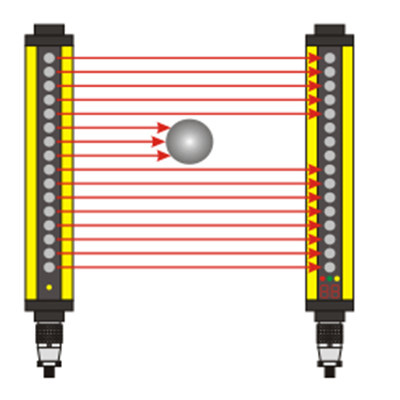
Unlike a single ultrasonic sensor providing a narrow detection cone, a proximity sensors panel integrates multiple transducers into a single unit or coordinated system. This configuration significantly expands the coverage area, enhances detection reliability, and creates a more comprehensive “safety zone” around machinery, vehicles, or access points. By working in concert, these sensors overcome the blind spots inherent to single-unit deployment, offering a layered defense against unintended contact.
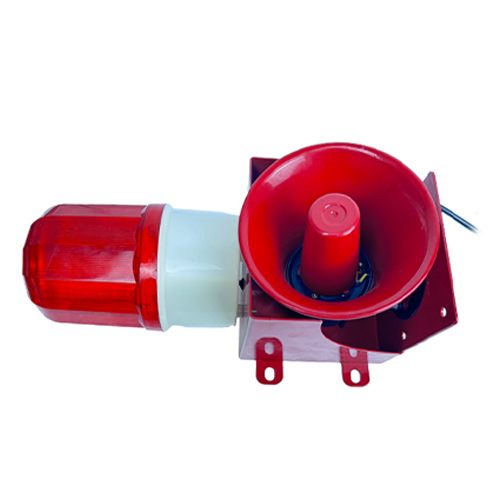
The underlying principle remains elegantly simple yet highly effective. Each ultrasonic transducer in the panel emits high-frequency sound waves (typically 40 kHz to 400 kHz, beyond human hearing). These waves travel through the air until they encounter an object. Upon reflection, the sound waves return to the sensor. The internal electronics then calculate the distance to the object based on the time-of-flight – the precise interval between emitting the pulse and receiving the echo. This measured distance is then compared to preset thresholds. If an object enters the defined safety zone, the panel triggers an output signal – this could be a warning light, an audible alarm, an automated stop command sent to machinery, or data fed into a central control system.
What sets ultrasonic proximity sensor panels apart, driving their preference in challenging scenarios?
The applications demanding the capabilities of ultrasonic proximity sensor panels are diverse and critical:
Implementing an ultrasonic proximity sensors panel effectively requires careful consideration:
In essence, an ultrasonic proximity sensors panel is more than just a collection of sensors; it’s an engineered solution for robust, non-contact presence detection where reliability, material independence, and environmental resilience are paramount. By harnessing the collective power of multiple ultrasonic transducers, these panels form the invisible shield that prevents collisions, protects personnel, and ensures the smooth, safe operation of automated systems across countless industries. Their ability to perform where other technologies falter cements their vital role in modern automation and safety frameworks. For engineers and system integrators tasked with safeguarding dynamic processes and workspaces, the ultrasonic proximity panel offers a uniquely powerful and dependable tool.