check

check

check

check
check
check
check
check

check

check
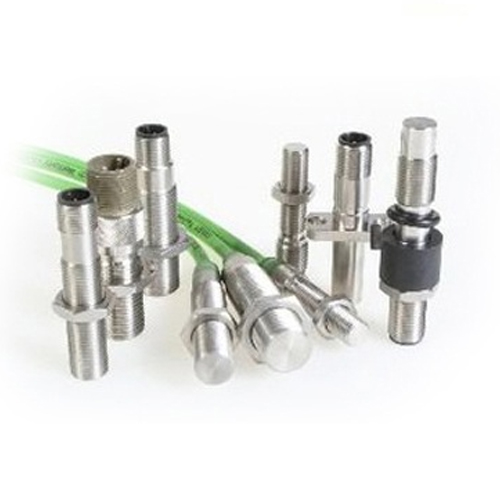
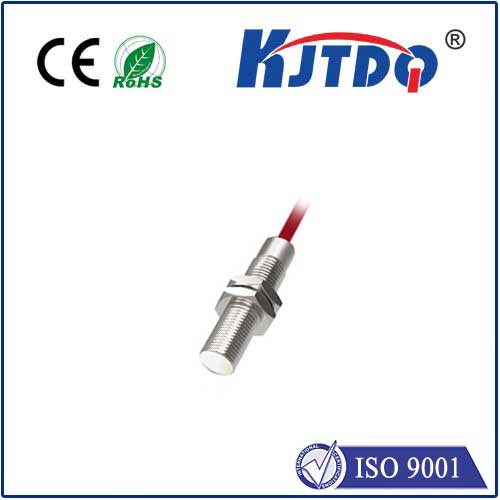
Unlocking the Potential of BES00KU Inductive Proximity Sensors: A Comprehensive Overview In today’s rapidly advancing technological landscape, the demand for precise and reliable sensing solutions continues to surge. Among the plethora of available sensor technologies, inductive proximity sensors stand out as versatile and robust tools across various industries. The BES00KU inductive proximity sensor, in particular, has garnered attention due to its exceptional performance, making it a subject of interest for engineers and technicians alike. This article delves into the specifics of the BES00KU inductive proximity sensor, exploring its design, applications, and the benefits it offers. Understanding Inductive Proximity Sensors Before diving into the BES00KU model specifically, it is essential to grasp the fundamental workings of inductive proximity sensors. Unlike capacitive or optical sensors that rely on changes in capacitance or light reflection respectively, inductive proximity sensors operate based on electromagnetic induction. They consist of an oscillator circuit, which generates an alternating current (AC) that creates a fluctuating magnetic field around the sensor’s face. When a conductive target approaches this field, it absorbs energy, causing a change in oscillation amplitude or phase within the sensor, thereby triggering a response. Introducing the BES00KU: Key Features & Design The BES00KU inductive proximity sensor embodies advanced engineering, designed to excel in demanding environments. Here are some of its standout features: