check

check

check

check
check
check
check
check

check

check

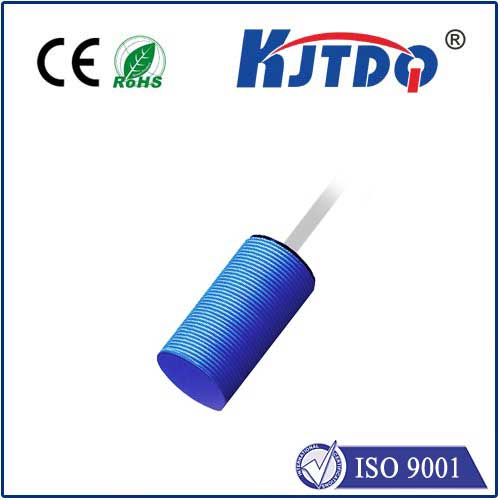
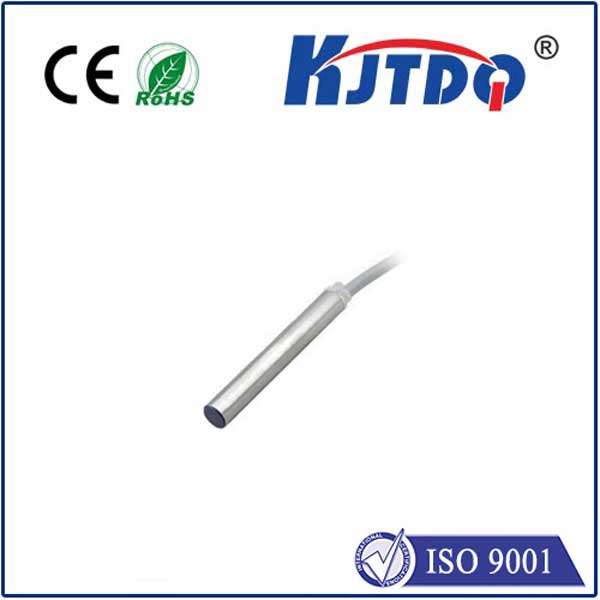
Exploring the Versatility of BES05NC Inductive Proximity Sensor: A Comprehensive Guide In today’s fast-paced technological landscape, the need for precise and reliable sensing solutions is paramount across diverse industries. Among the plethora of sensor technologies available, inductive proximity sensors stand out for their robustness, accuracy, and versatility. One such remarkable sensor is the BES05NC Inductive Proximity Sensor, which has garnered attention for its exceptional performance and wide range of applications. This article delves into the features, benefits, and practical uses of this advanced sensor, highlighting why it is a preferred choice among engineers and designers alike. Understanding Inductive Proximity Sensors Before we delve into the specifics of the BES05NC model, let us first grasp the fundamental working principle of inductive proximity sensors. Unlike optical or capacitive sensors that rely on light or electromagnetic fields for detection, inductive sensors operate based on electromagnetic induction. They consist of an oscillating circuit within a metallic probe (the sensor face), which generates an electromagnetic field when excited. When a conductive target (such as a metal object) enters this field, it disrupts the oscillation, causing the sensor to output a signal indicating the presence of the target. Introducing the BES05NC: Key Features The BES05NC stands out with its unique set of features designed to cater to demanding industrial environments: