check

check

check

check
check
check
check
check

check
check
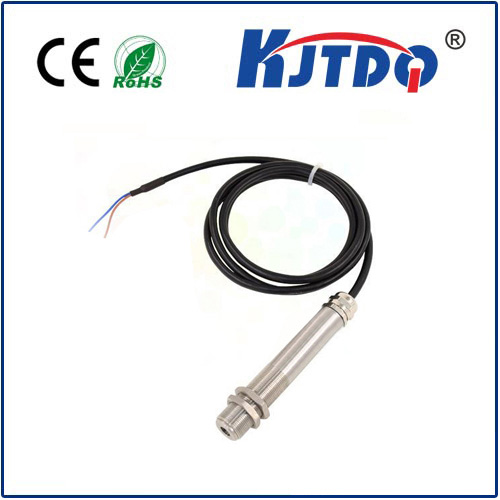
Title: Understanding the Metal Inductive Sensor: A Comprehensive Guide Introduction In today’s technologically advanced world, sensors play an integral role in a multitude of applications, ranging from automotive systems to industrial automation. Among these sensors, the metal inductive sensor stands out due to its robust design and ability to detect metallic objects without physical contact. This article delves into the fundamental aspects of metal inductive sensors, their operation, benefits, and practical applications. How Does a Metal Inductive Sensor Work? A metal inductive sensor operates based on electromagnetic principles. It consists of an oscillator, a coil that acts as an inductor, and a detection circuit. When the coil is energized with an alternating current (AC) from the oscillator, it produces an electromagnetic field around it. If a metal object enters this field, it disrupts the magnetic field, altering the inductance of the coil. This change is detected by the detection circuit, which subsequently triggers an output signal indicating the presence or absence of the metal. The Importance of Metal Inductive Sensors Metal inductive sensors are crucial for various industries due to their reliability and precision. Unlike capacitive sensors, they are immune to environmental factors such as dust, grime, and moisture, making them ideal for harsh environments. Their non-contact nature ensures a longer lifespan as there is no wear and tear associated with physical contact. Moreover, these sensors can operate over a wide temperature range, enhancing their versatility across different sectors. Applications Across Industries The versatility of metal inductive sensors has led to their adoption in diverse fields: