check

check

check

check
check
check
check
check

check
check
Understanding the Micro Proximity Switch: A Compact Sensing Solution In the realm of automation and precise mechanical movements, micro proximity switches play a crucial role. These small yet highly efficient devices are designed to detect the presence or absence of a target object without physical contact. This article will delve into what micro proximity switches are, how they work, their applications, and the advantages they offer.
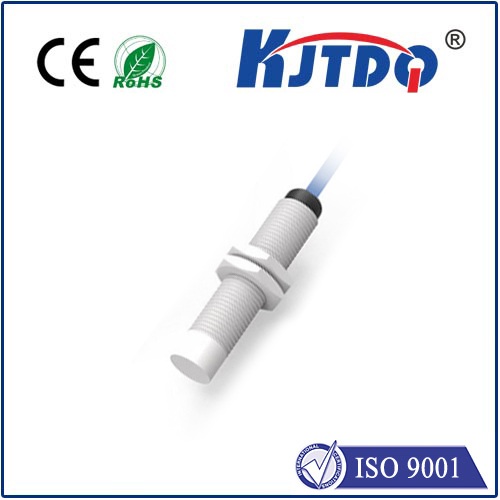
A micro proximity switch is a type of sensor that triggers an electric signal when an object enters or leaves its detection range. Unlike conventional switches that require physical contact, these devices use electromagnetic fields, capacitive fields, or optical means to sense objects. The term “micro” signifies their compact size, which makes them ideal for applications where space is limited but precision and sensitivity are paramount.

There are mainly three types of micro proximity switches, each operating on different principles:
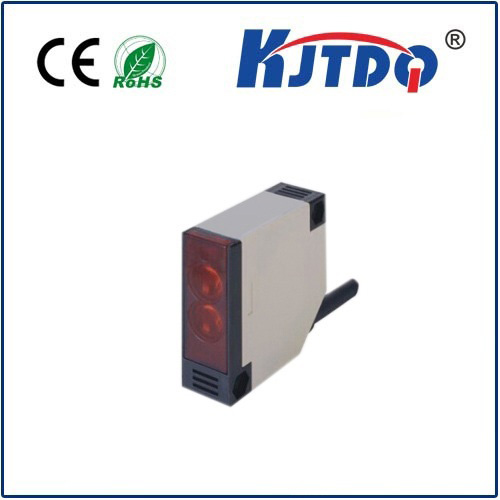
Optical switches use light to detect objects. A beam of light is emitted from the sensor; if this beam is interrupted or reflected by an object, the switch is triggered. This type is particularly useful for detecting non-metallic and transparent objects.
The versatility and compactness of micro proximity switches make them suitable for a wide range of applications across various industries:
In medical equipment like diagnostic machines and automated dispensers, these switches ensure accurate and contamination-free operations by precisely controlling the movements and positions of critical components.