check

check

check

check
check
check
check
check

check

check

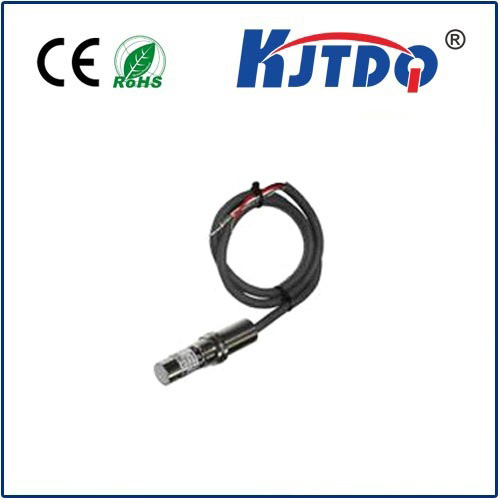
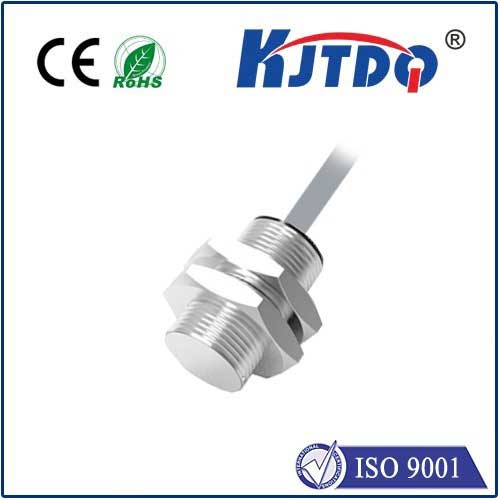
Understanding the Rectangular Inductive Proximity Sensor: An Essential Guide In the realm of industrial automation and sensing technologies, the rectangular inductive proximity sensor stands out as a pivotal device designed to detect metallic objects without any physical contact. This guide delves into the intricacies of this sensor, elucidating its functionality, applications, and the reasons behind its widespread adoption across various industries. How It Works At its core, a rectangular inductive proximity sensor operates based on the principles of electromagnetic induction. It consists of an oscillator circuit that generates an electromagnetic field, typically within a frequency range of 20 kHz to several megahertz. When a conductive target (such as metal) enters this field, it disrupts the oscillation, causing a change in the sensor’s output signal. This change is then interpreted by the sensor’s electronic circuitry to determine the presence or absence of the target object. The ‘rectangular’ aspect refers to the sensor’s housing design, which often features a flat, planar surface. This shape facilitates easier mounting in limited spaces and allows for more precise targeting of specific areas, making it particularly suitable for applications where space constraints are paramount. Applications Across Industries Due to their robust design and reliable performance, rectangular inductive proximity sensors find applications in a myriad of settings: