check

check

check

check

check

check
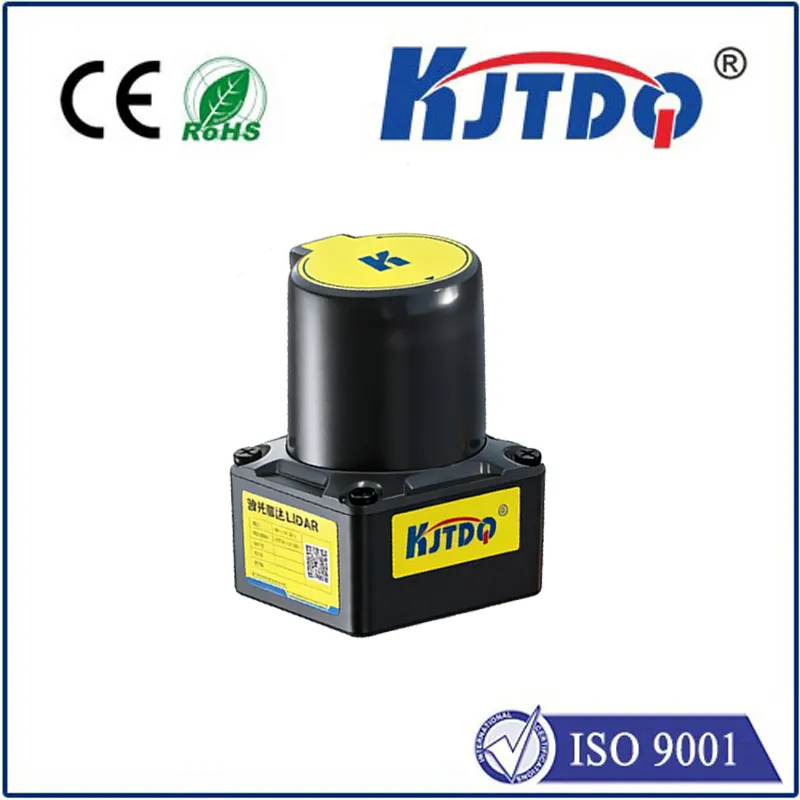
In today's fast-paced technological landscape, accuracy and efficiency are paramount. The laser rangefinder module sensor stands as a critical component in achieving precise distance measurements across various industries. From robotics and automation to construction, surveying, and even consumer electronics, this advanced sensor technology enables devices to perceive and interact with their environment with remarkable reliability.
A laser rangefinder module sensor operates by emitting a laser beam toward a target and calculating the time it takes for the light to reflect back. This time-of-flight (ToF) principle allows for highly accurate distance readings, often within millimeters. Unlike traditional measurement tools, these sensors are compact, energy-efficient, and capable of functioning in diverse conditions, including low light or outdoor settings. Their integration into systems enhances automation, reduces human error, and improves overall operational safety.
One of the key advantages of modern laser rangefinder modules is their versatility. In industrial automation, they facilitate precise object detection and positioning, streamlining assembly lines and logistics. For example, in robotic applications, sensors guide movements to avoid collisions and optimize paths. In construction and civil engineering, professionals rely on them for land surveying, building inspections, and monitoring structural displacements. The data collected supports informed decision-making, ensuring projects adhere to specifications and timelines.
Consumer electronics have also embraced this technology. Smartphones equipped with laser autofocus sensors capture sharper images by quickly gauging subject distance. Similarly, home automation systems use rangefinders to enable smart features like gesture control or room mapping for vacuum robots. The adaptability of these sensors continues to drive innovation, making everyday devices more intuitive and responsive.
When selecting a laser rangefinder module sensor, factors such as measurement range, accuracy, response time, and environmental durability come into play. Advanced models offer features like multiple measurement modes, digital interfaces (e.g., I2C, UART), and robust housing for resistance to dust, water, or shock. These attributes ensure consistent performance in demanding applications, from outdoor navigation to precision manufacturing.
Looking ahead, the evolution of laser rangefinder technology promises even greater integration with IoT and AI systems. Enhanced miniaturization and lower power consumption will expand their use in portable and battery-operated devices. As industries increasingly prioritize automation and data-driven processes, the demand for reliable, high-precision sensors like laser rangefinder modules is set to grow. By delivering exact measurements in real time, they empower smarter solutions and foster progress across fields.
In summary, the laser rangefinder module sensor is a cornerstone of modern measurement science. Its ability to provide fast, accurate distance data supports advancements in technology, industry, and daily life. Whether optimizing industrial workflows or enhancing consumer products, this sensor plays a vital role in shaping a more efficient and connected world.