check

check

check

check
check
check
check
check

check

check

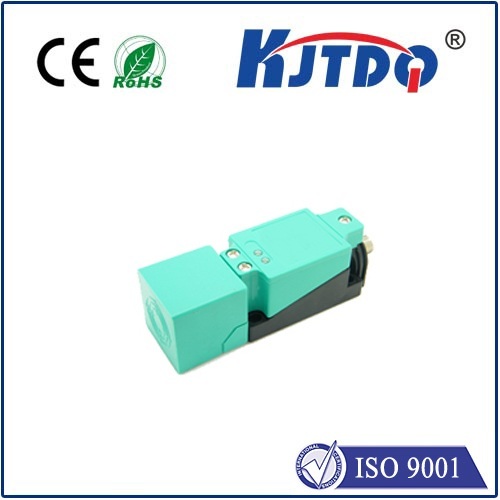
Understanding Small Capacitive Proximity Sensors: A Comprehensive Guide In the realm of modern technology and automation, sensors play a crucial role in ensuring precision, efficiency, and safety across various applications. Among the myriad types of sensors available today, small capacitive proximity sensors hold a distinct place due to their unique characteristics and versatile applications. This guide delves into the fundamentals, advantages, and practical uses of these compact yet powerful devices. What Are Small Capacitive Proximity Sensors? Small capacitive proximity sensors are advanced electronic devices designed to detect the presence or absence of an object within a specific range without physical contact. Unlike traditional contact-based sensors, they operate on the principle of capacitance, where changes in the electric field caused by nearby objects influence the sensor’s output signal. These sensors consist of two conductive plates separated by an insulating material (dielectric), forming a simple capacitor. When an object approaches the sensor, it alters the electrostatic field, leading to a change in capacitance that is translated into an electrical signal. Advantages of Small Capacitive Proximity Sensors