check

check

check

check

check

check
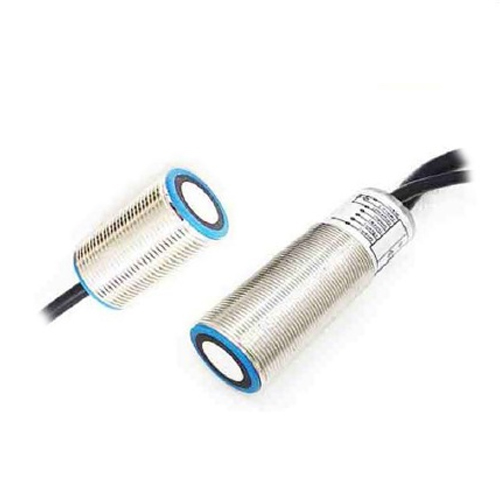
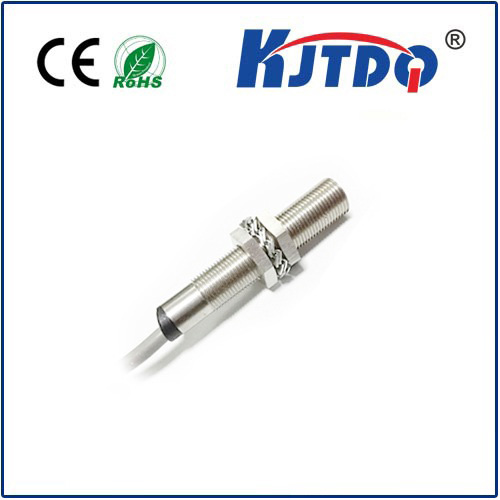
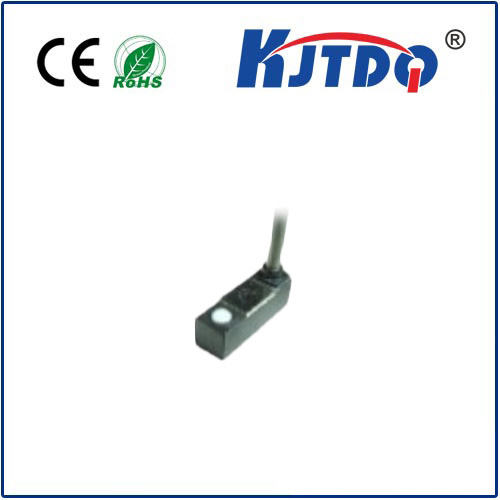
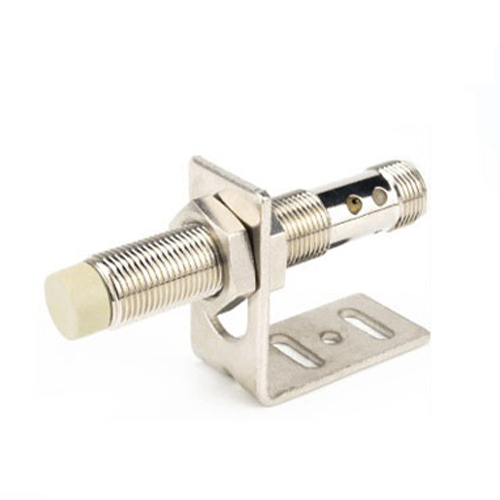
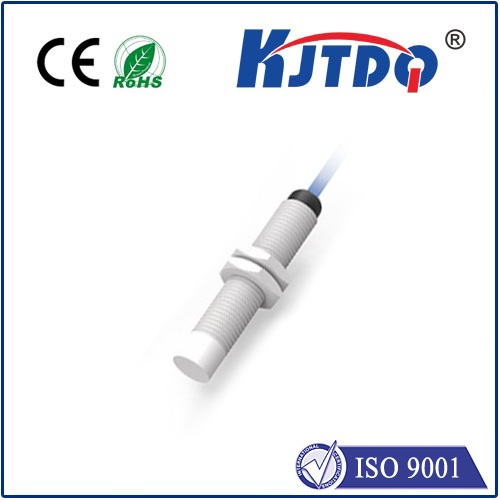
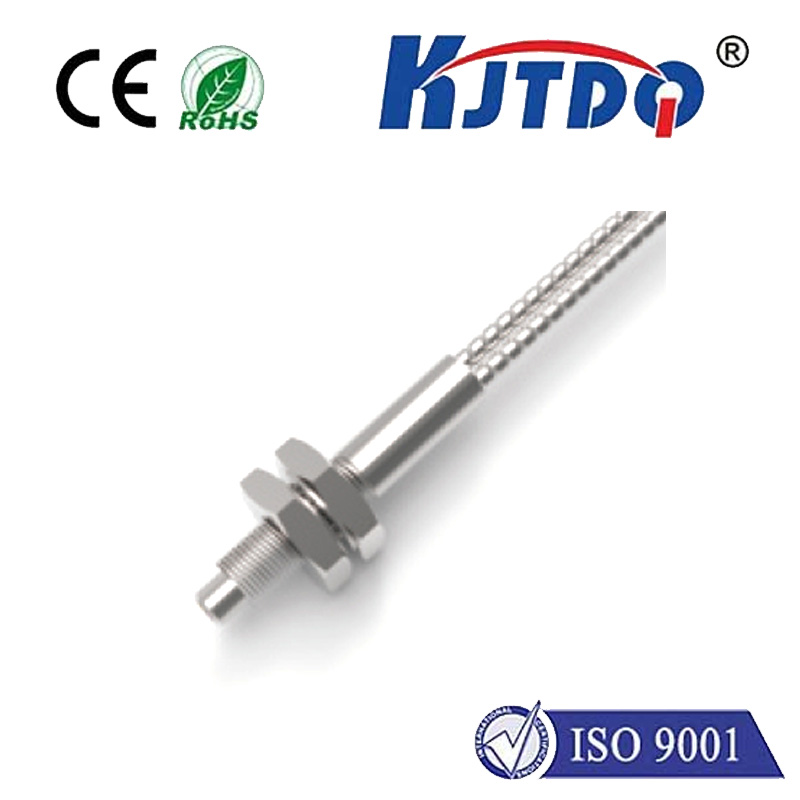
Understanding Inductive Position Sensors: A Comprehensive Guide In the realm of sensor technology, inductive position sensors stand out as a versatile and reliable solution for various industrial applications. These devices, which rely on electromagnetic fields to detect position, play a crucial role in modern automation systems. This article aims to provide an in-depth overview of inductive position sensors, exploring their working principles, advantages, common applications, and key considerations for selection and maintenance. How Inductive Position Sensors Work At its core, an inductive position sensor operates based on the principles of electromagnetism. These sensors consist of a transmitter coil, which generates an electromagnetic field, and a receiver coil that detects changes in this field. When a conductive material, such as a metal target, moves within the vicinity of these coils, it alters the magnetic field, causing a change in voltage or current at the receiver coil. This variation is then processed by electronic circuitry to determine the precise position of the target. Advantages of Inductive Position Sensors