check

check

check

check

check

check

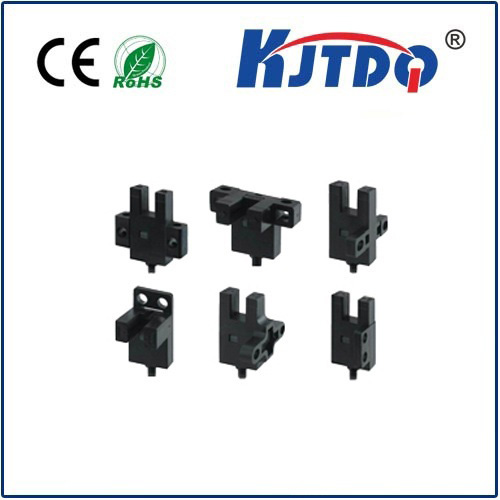
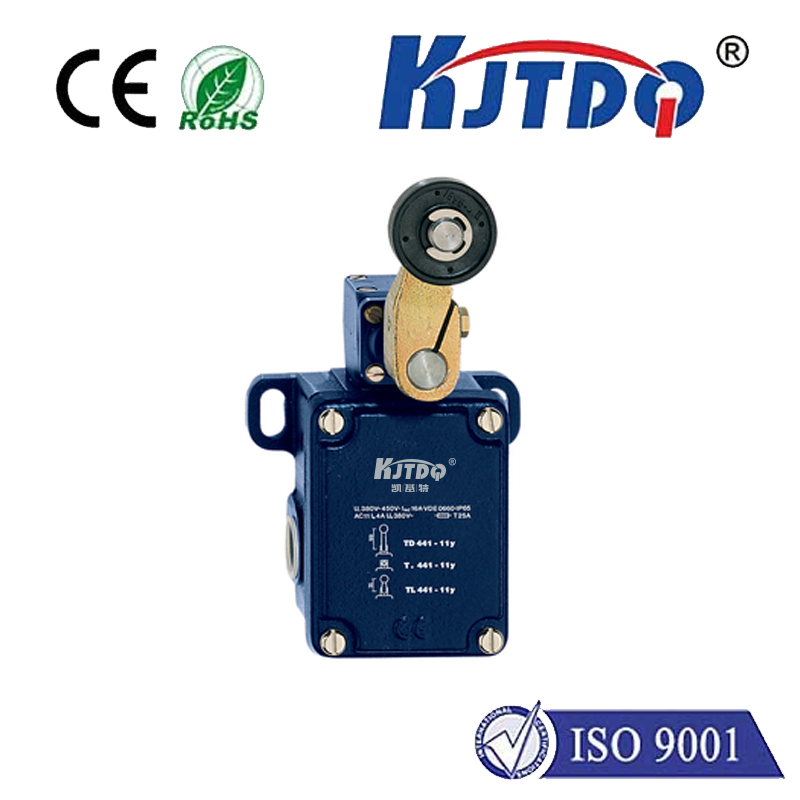
The Ins and Outs of Micro Switch Sensors: A Comprehensive Guide In the ever-evolving world of technology, innovation is key to progress. One such innovation that has gained immense popularity in recent years is the micro switch sensor. These diminutive yet powerful devices are used in a wide range of applications, from industrial machinery to consumer electronics. In this article, we will delve into the various aspects of micro switch sensors, their working principles, advantages, disadvantages, and potential future developments. What Are Micro Switch Sensors? Micro switch sensors are electromechanical devices that detect physical changes in their environment, such as temperature, pressure, or motion. They consist of two main components: a sensitive element and an electrical output. The sensitive element responds to external stimuli by undergoing a physical change, which is then converted into an electrical signal by the output. Working Principle of Micro Switch Sensors The working principle of micro switch sensors can be understood through an analogy with a light switch. Just like a light switch controls the flow of electricity to a bulb, a micro switch sensor controls the flow of electrical signals within a circuit. When the sensitive element detects a change in its environment, it causes a mechanical deformation that activates or deactivates the electrical output. This action triggers a corresponding response in the connected device or system. Advantages of Micro Switch Sensors