check

check

check

check

check

check
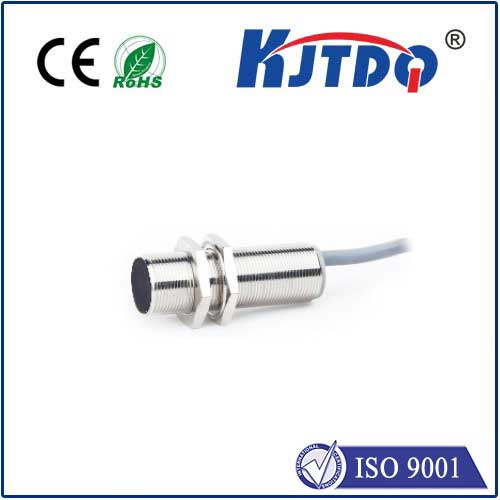
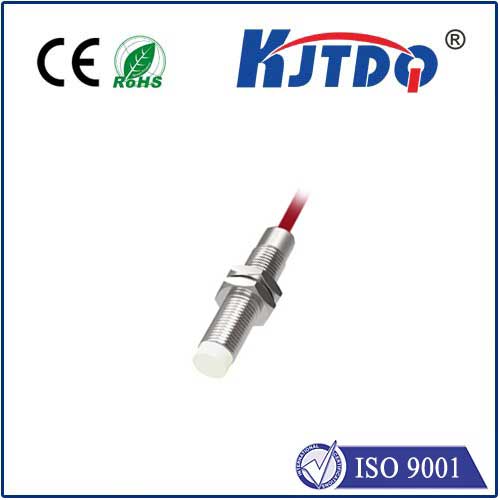
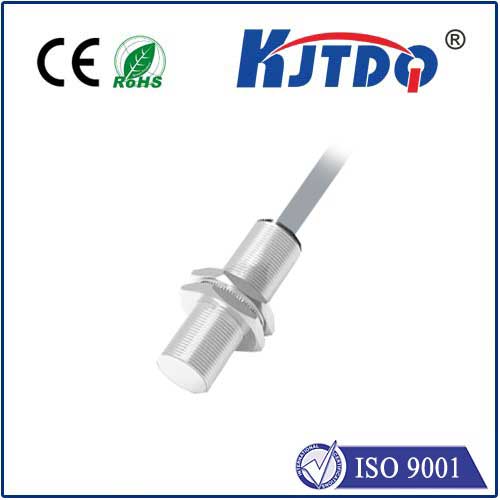
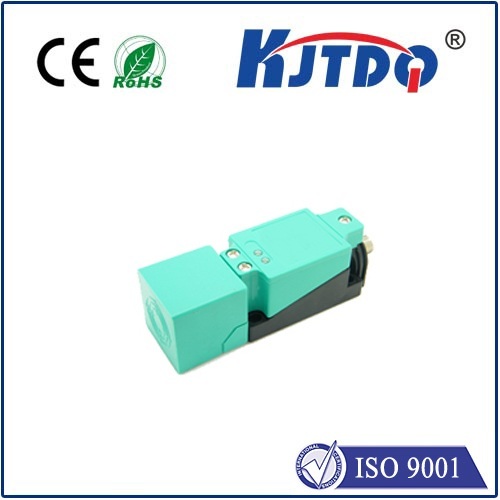
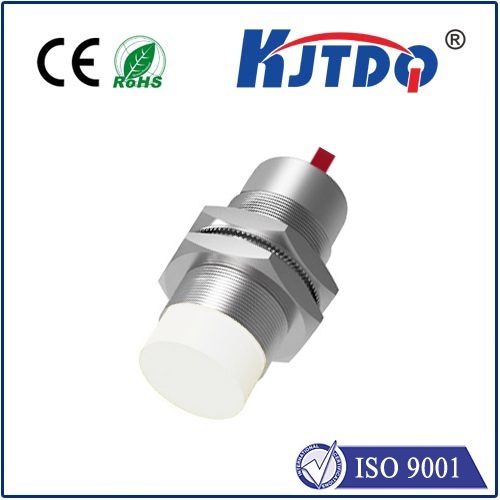
Title: Inductive Limit Switches: An Insight into Modern Sensing Technology In the realm of industrial automation and sensing technology, the inductive limit switch stands out as an indispensable component. These devices play a crucial role in motion control applications, offering reliable and efficient solutions for detecting the presence or absence of metal objects without any physical contact. This article delves into the intricacies of inductive limit switches, exploring their functionality, applications, and the advantages they bring to modern industries. Functionality of Inductive Limit Switches Inductive limit switches, also known as inductive sensors, operate on the principle of electromagnetic induction. They consist of an oscillator that generates a high-frequency alternating electromagnetic field. When a metal object enters the field, it induces eddy currents within itself, which in turn absorb some of the electromagnetic energy. This reduction in energy is detected by the switch, triggering a change in its output state. The key components of an inductive limit switch include a coil that generates the electromagnetic field, a circuit board that processes the signal, and a housing that protects the internal components while allowing the electromagnetic field to pass through. The sensitivity of the switch can be adjusted to accommodate different distances between the sensor and the target material, making it versatile for various applications. Applications of Inductive Limit Switches Inductive limit switches are widely used in diverse industries due to their non-contact nature, reliability, and durability. Some common applications include: