check

check

check

check

check

check

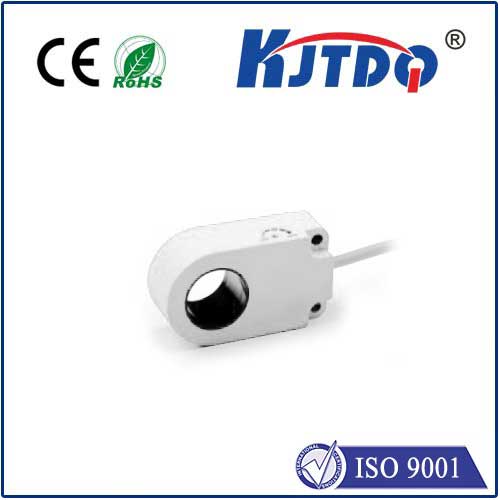
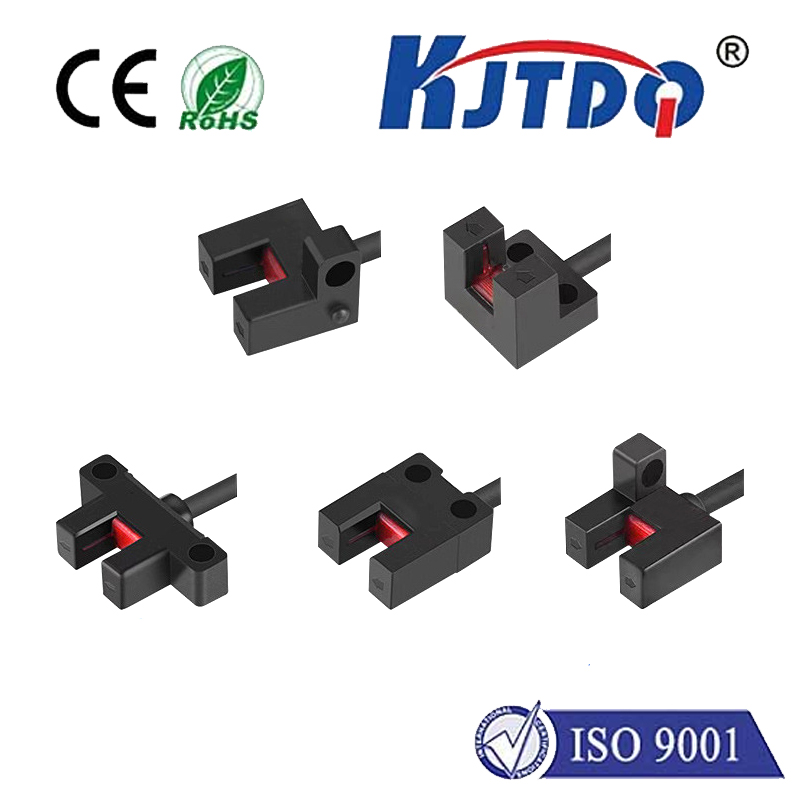
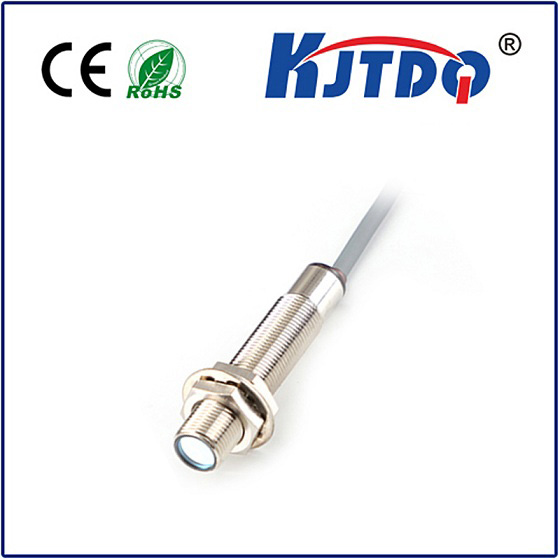
Title: Understanding the Mechanics of a Photoelectric Proximity Switch Introduction The photoelectric proximity switch is an essential component in the world of industrial automation. It operates based on the principle of light reflection and refraction, and its applications are as diverse as they are crucial. This article delves into how it works, its types, applications, and benefits. How Does a Photoelectric Proximity Switch Work? A photoelectric proximity switch uses a beam of light to detect the presence or absence of an object. The device consists of an emitter that produces the light beam and a detector that receives it. When an object interrupts this beam, the detector sends a signal to the controller, which then can respond in a pre-programmed manner. This technology is contactless, meaning it doesn’t wear out due to physical interaction with detected objects, contributing to its longevity and reliability in industrial settings. Types of Photoelectric Proximity Switches There are several types of photoelectric proximity switches, primarily distinguished by how they handle the reflected light: