check

check

check

check

check

check

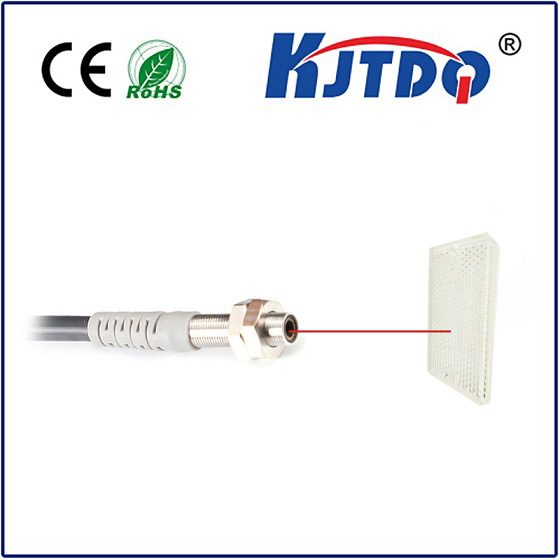
Title: Understanding the Mechanism and Applications of Infrared Photoelectric Switch Sensors Introduction In the realm of automation and electronic sensing technologies, infrared photoelectric switch sensors are indispensable components. These devices have revolutionized the way we interact with machines and our environment, providing a reliable, contactless method for detecting objects and controlling processes. This article delves into the working principle, advantages, and diverse applications of infrared photoelectric switch sensors. The Working Principle of Infrared Photoelectric Switch Sensors At their core, infrared photoelectric switch sensors function by emitting an invisible infrared light beam towards an object. When this beam strikes the object, it is reflected back to the sensor. The sensor contains a photodiode that detects the reflected light, converting it into an electrical signal. This signal is processed to determine whether an object is present within the sensor’s field of view. There are primarily two types of infrared photoelectric switches: through-beam and reflective. Through-beam switches require a separate emitter and detector unit on either side of the monitored area, while reflective switches incorporate both emitter and detector in a single housing and rely on the reflection of the infrared light from a target object. Advantages of Infrared Photoelectric Switch Sensors Infrared photoelectric switch sensors offer numerous benefits over traditional mechanical switches, including: