check

check

check

check

check

check

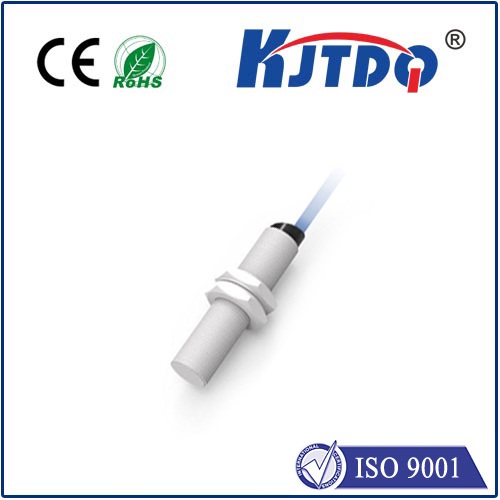
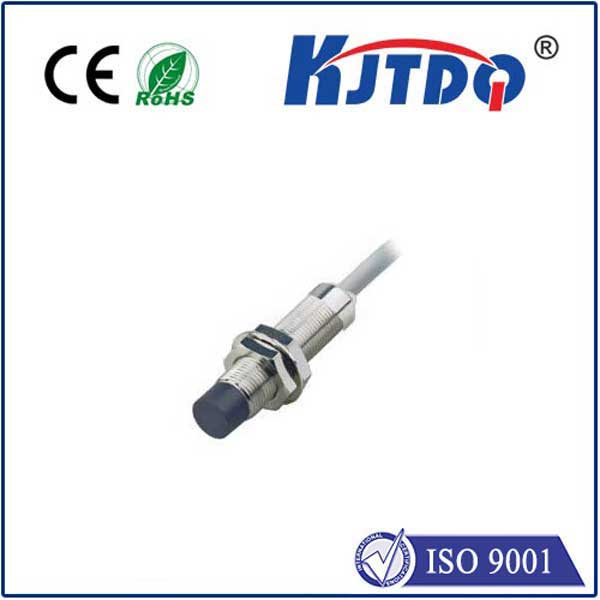
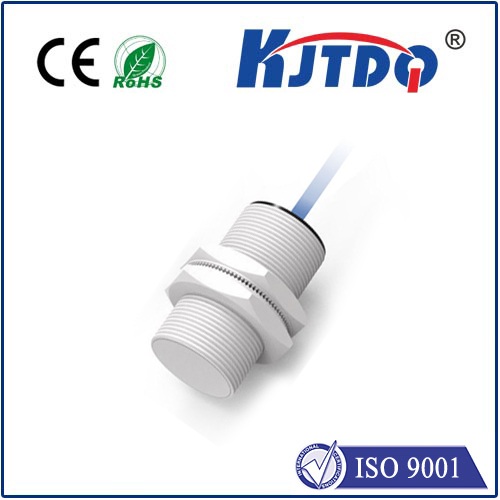
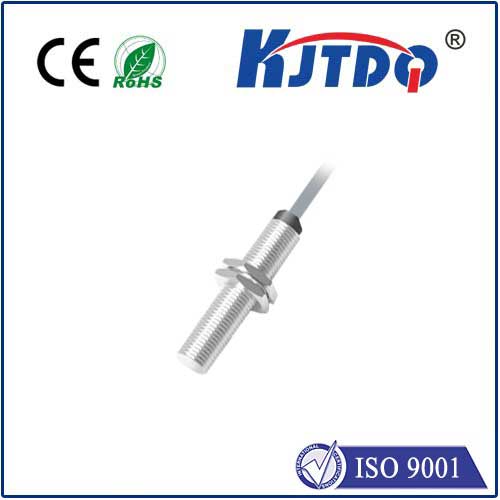
Capacitive Proximity Sensing: A Technological Marvel in Everyday Devices In the realm of technological advancements, capacitive proximity sensors stand out as a remarkable innovation. These sensors have revolutionized the way we interact with our devices, making them more intuitive and user-friendly. In this article, we will delve into the world of capacitive proximity sensors, exploring their working principle, applications, advantages, and future prospects. A New Era of Interaction: Understanding Capacitive Proximity Sensors Capacitive proximity sensors are electronic components that detect the presence of a nearby object without any physical contact. They work on the principle of capacitance, which is the ability of a system to store an electric charge. When an object comes close to the sensor, it changes the电容值of the system, which is then measured and processed to determine the distance between the object and the sensor. The Magic Behind the Scenes: Working Principle of Capacitive Proximity Sensors The working principle of capacitive proximity sensors involves the use of two conductive plates separated by an insulating material. One plate is connected to a voltage source, while the other is connected to a ground. As the object approaches the sensor, it displaces some of the charge from the first plate to the second plate, causing a change in capacitance. This change is measured and converted into a digital signal, which can be used to trigger an action or control a process. From Smartphones to Industrial Automation: Applications of Capacitive Proximity Sensors Capacitive proximity sensors have found applications in various fields, including electronics, automotive, medical, and industrial automation. Some of the most common applications include: