check

check

check

check
check
check
check
check

check
check
In today's increasingly automated and interconnected industrial landscape, the reliability of sensing technology is paramount. Among the critical components, proximity sensors play a vital role in detecting the presence or absence of objects without physical contact. However, a significant challenge persists in many manufacturing plants, power generation facilities, and automotive assembly lines: electromagnetic interference (EMI). This is where the high EMC immunity proximity sensor becomes not just an option, but a necessity for uninterrupted operation.
Electromagnetic Compatibility (EMC) refers to a device's ability to function correctly in its electromagnetic environment without introducing intolerable electromagnetic disturbances to other equipment. A standard proximity sensor might malfunction when exposed to electromagnetic noise from sources like variable frequency drives (VFDs), welding machines, heavy motors, or radio transmitters. These interferences can cause false triggering, signal loss, or even permanent damage, leading to costly production downtime, safety hazards, and product defects.
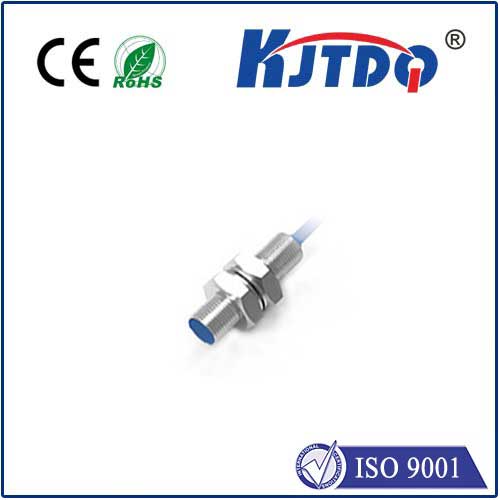
A high EMC immunity proximity sensor is specifically engineered to withstand these harsh electrical conditions. The design philosophy centers on robust internal shielding, advanced filtering circuits, and optimized component layout. Manufacturers employ techniques such as ferrite cores, shielded cables as standard, and sophisticated electronic filtering that discriminates between the actual sensing signal and external noise. The housing itself is often constructed from materials like stainless steel, which provides excellent shielding against electromagnetic fields.
The benefits of deploying such sensors are substantial. First and foremost is enhanced reliability. Machines equipped with these sensors experience far fewer false stops or erratic behaviors, leading to a dramatic increase in Overall Equipment Effectiveness (OEE). Production lines run smoother, with consistent throughput and higher yield. Secondly, it reduces maintenance costs and extends the sensor's lifecycle. Constant exposure to EMI can degrade electronic components over time; high-immunity sensors are built to endure, reducing replacement frequency and associated labor costs.
Safety is another critical aspect. In applications involving robotic arms, automated guided vehicles (AGVs), or safety door monitoring, a sensor failure due to interference could have severe consequences. A high-immunity sensor provides a dependable signal that ensures safety protocols are executed precisely, protecting both personnel and machinery. Furthermore, these sensors facilitate the integration of complex, dense machinery where multiple electronic devices operate in close proximity, a common scenario in Industry 4.0 setups and smart factories.
When selecting a high EMC immunity proximity sensor, key specifications to examine include its compliance with international EMC standards such as IEC 60947-5-2. Look for explicitly stated high immunity ratings against specific phenomena like electrostatic discharge (ESD), burst transients, and radio-frequency interference. The sensor should be tested and certified to perform reliably in the presence of strong electromagnetic fields, often quantified in volts per meter (V/m). Compatibility with various output types (PNP/NPN, analog, IO-Link) while maintaining immunity is also crucial for system integration.
Real-world applications are diverse. In the automotive industry, they are indispensable near welding robots and painting lines. In food and beverage processing, they reliably operate near high-power motors driving conveyor systems. Renewable energy sectors, particularly in wind turbine control systems, utilize them due to the high levels of electrical noise generated. Essentially, any environment where electrical noise is a known challenge is a candidate for this robust sensing solution.
Investing in high EMC immunity proximity sensors is an investment in operational stability and long-term cost savings. It moves beyond simply solving a detection problem to addressing a fundamental system vulnerability. As industrial environments grow more electrically complex, the demand for components that can perform with unwavering accuracy becomes non-negotiable. These sensors provide the resilience needed to build smarter, more reliable, and more productive automated systems, forming a silent yet critical backbone for modern industrial resilience.