check

check

check

check
check
check
check
check

check
check
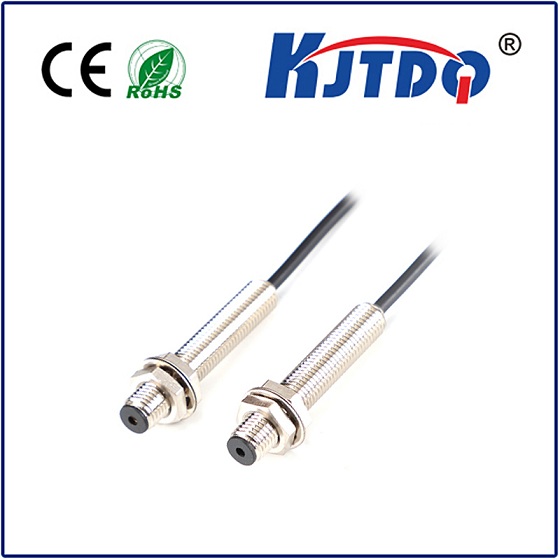
In the intricate world of industrial control and automation, reliable signal transmission is non-negotiable. Among the various technologies that ensure this reliability, the 4-20mA proximity sensor stands as a fundamental and enduring component. This device seamlessly merges the precise detection capabilities of a proximity sensor with the robust, long-distance signal transmission of the 4-20mA current loop protocol, creating a cornerstone for modern process control.
At its core, a proximity sensor is designed to detect the presence or absence of an object within its sensing range without physical contact. It does this using electromagnetic fields, light, or sound. When this detection technology is integrated with a 4-20mA output circuit, its utility transforms. The sensor not only detects an object but also translates that detection into a standardized, analog current signal. Typically, 4mA represents the "off" or "no target" state (or a zero-scale process value), while 20mA represents the "on" or "target present" state (or a full-scale process value). This range allows for the representation of not just binary states but also scaled measurements, such as distance or level, within that current span.
The advantages of employing a 4-20mA signal are profound, especially in harsh industrial environments. First and foremost is its exceptional noise immunity. Unlike voltage signals, which can be easily degraded by electromagnetic interference (EMI) over long cable runs, a current signal remains remarkably stable. The signal value is determined by the current flowing in the loop, which is not significantly affected by voltage drops along the wire. This makes 4-20mA proximity sensors ideal for installations where the control panel might be hundreds of meters away from the sensor itself.
Furthermore, the 4-20mA system offers inherent diagnostic capabilities. A reading of 0mA clearly indicates a broken wire or a complete power loss in the loop—a fault condition that is immediately apparent. Readings below 4mA or above 20mA can also signal other system errors or sensor malfunctions. This "live zero" at 4mA is a critical feature for distinguishing between a true "off" signal and a system failure, enhancing operational safety and simplifying troubleshooting.
The applications for 4-20mA proximity sensors are vast and critical across numerous sectors. In manufacturing, they are used for precise positioning of robotic arms, counting products on a conveyor belt, or monitoring the fill level of tanks and silos. In the oil and gas industry, they play a vital role in monitoring valve positions and detecting equipment presence in potentially explosive atmospheres, especially when designed with intrinsic safety barriers. Water treatment plants rely on them to monitor pump status and fluid levels, ensuring smooth and automated process control.
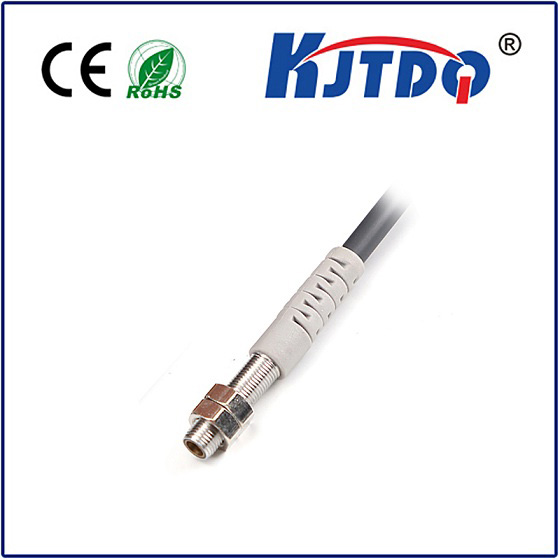
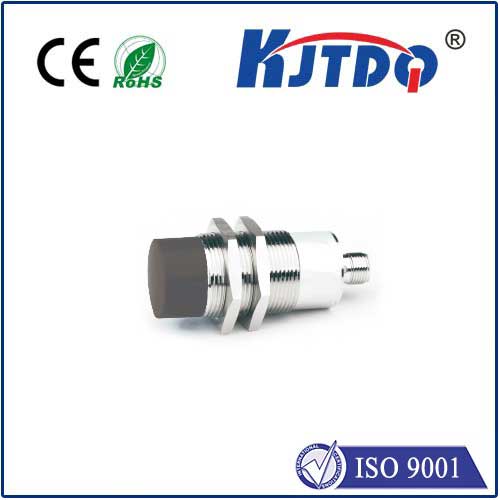
When selecting a 4-20mA proximity sensor, several key specifications must be considered. The sensing range, which varies from a few millimeters to several tens of millimeters, must be appropriate for the application. The type of sensing technology—inductive (for metals), capacitive (for liquids, plastics, and other materials), or ultrasonic—must match the target material. Environmental factors like temperature extremes, pressure, and exposure to chemicals or washdowns dictate the required housing material and ingress protection (IP) rating. Finally, the output characteristics, such as whether it provides a simple on/off switch within the 4-20mA range or a truly analog, proportional output, must align with the needs of the receiving controller, such as a PLC (Programmable Logic Controller).
Installation and maintenance, while straightforward, require attention to detail. Ensuring proper wiring according to the two-wire or three-wire system specifications is essential. The sensor must be correctly aligned with the target and free from interference by adjacent metal objects. Regular checks for physical damage, buildup of debris on the sensing face, and verification of the output signal with a multimeter are part of a proactive maintenance routine that guarantees long-term reliability.
In conclusion, the 4-20mA proximity sensor is far more than just a switch. It is a sophisticated, reliable, and intelligent interface between the physical events on the factory floor and the digital control systems that manage them. Its resilience against noise, its built-in fault detection, and its standardization have cemented its role as an indispensable workhorse in automation. As industries continue to evolve towards greater connectivity and data-driven decision-making, the foundational data provided by these robust sensors will remain as vital as ever, forming the reliable sensory network upon which smart industry is built.