check

check

check

check
check
check
check
check

check
check
In the fast-paced world of industrial automation, precision, reliability, and efficiency are non-negotiable. Selecting the right sensing components can dramatically impact the performance and uptime of a production line. Among the myriad of options available, the DC 10-30V proximity sensor stands out as a cornerstone technology for countless applications. This article delves into why this specific voltage range sensor is a superior choice, exploring its operational principles, key benefits, and diverse use cases without relying on technical jargon.
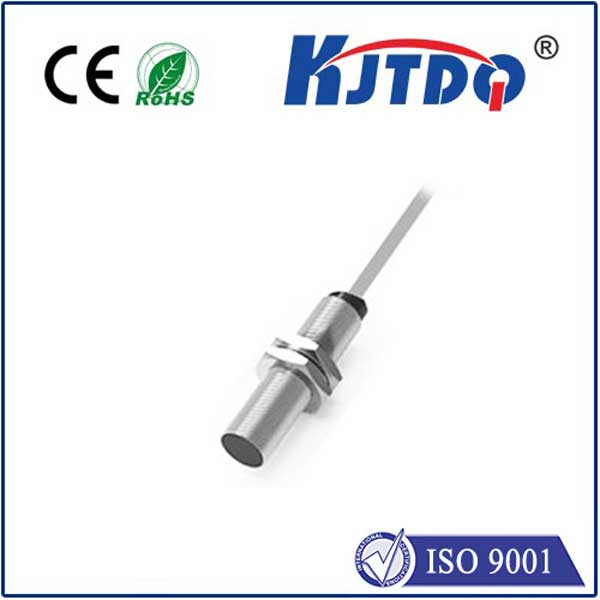
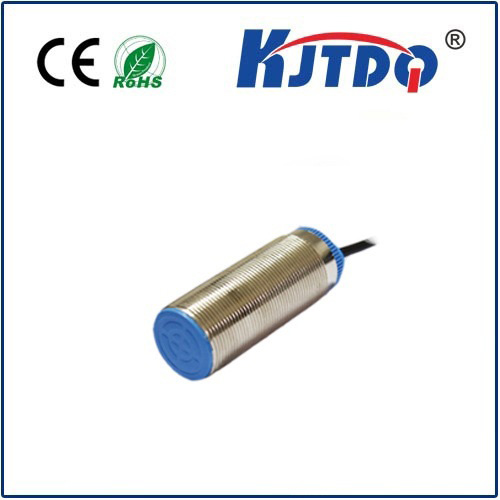
At its core, a DC 10-30V proximity sensor is a non-contact electronic device that detects the presence or absence of a metallic object within its sensing range. Operating on a direct current (DC) power supply ranging from 10 to 30 volts, it offers significant flexibility in integration. Unlike mechanical limit switches, it has no moving parts that can wear out, leading to exceptional longevity. The working principle is typically based on electromagnetic induction for inductive types, which are most common for metal detection. When a metal target enters the sensor's oscillating electromagnetic field, it causes a change in the field, which the sensor's circuitry detects and converts into a clean, digital output signal.
The wide operating voltage range of 10 to 30V DC is one of its most compelling features. This design makes it incredibly versatile and compatible with a vast array of standard industrial control systems and programmable logic controllers (PLCs). Whether your control cabinet supplies 12V, 24V, or any voltage in between, a single sensor model can often be used, simplifying inventory management and reducing procurement complexity. This built-in voltage tolerance also provides a buffer against common power supply fluctuations found in industrial environments, ensuring stable operation and protecting against premature failure.
Durability is another hallmark. Housed in robust materials like nickel-plated brass or stainless steel, these sensors are built to withstand harsh conditions. They are resistant to dust, moisture, oils, and coolants, often boasting high Ingress Protection (IP) ratings such as IP67. This means they can perform reliably in demanding settings like machine tools, welding equipment, and automated assembly lines, where exposure to contaminants is a daily challenge. Their solid-state design ensures millions of reliable switching cycles, minimizing maintenance needs and downtime.
The application spectrum for DC 10-30V proximity sensors is remarkably broad. They are indispensable for position detection, verifying if a part is correctly placed on a fixture or if a robotic arm has reached its endpoint. They are used for counting, such as tracking products on a conveyor belt. In automated packaging, they ensure proper fill levels or carton presence. They also play a critical role in safety interlocks, confirming that a guard door is securely closed before a machine can cycle. From automotive manufacturing to food processing and material handling, their role is pivotal.
When integrating these sensors, several practical considerations ensure optimal performance. Correct mounting is crucial; maintaining the proper sensing distance and avoiding metal-to-metal contact with the mounting bracket is essential to prevent interference. Understanding the sensor's specifications, like its nominal sensing range (e.g., 5mm, 8mm) and whether it is normally open (NO) or normally closed (NC), is key for proper circuit design. Furthermore, selecting the right output type (NPN sinking or PNP sourcing) to match the input card of your controller is a fundamental step for seamless communication.
In conclusion, the DC 10-30V proximity sensor represents a perfect blend of robustness, flexibility, and proven technology. Its wide voltage acceptance, rugged construction, and non-contact operation make it an intelligent, cost-effective solution for enhancing automation systems. By providing consistent and accurate detection, it forms a reliable foundation for improving process control, safety, and overall operational efficiency. For engineers and system integrators seeking a dependable sensing solution, specifying a high-quality DC 10-30V proximity sensor is a strategic decision that pays dividends in long-term, trouble-free performance.