check

check

check

check
check
check
check
check
check

check
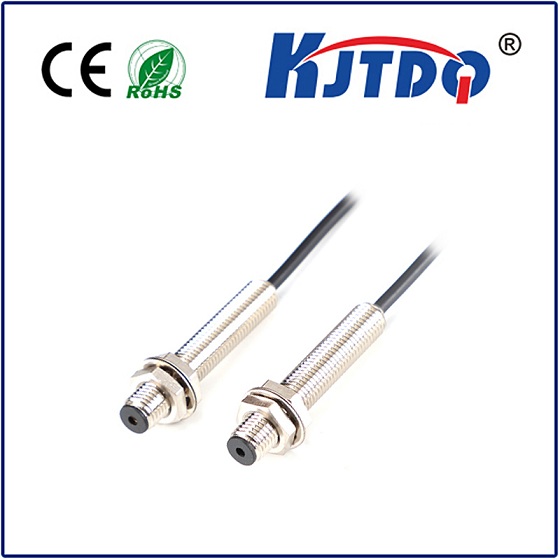
In modern manufacturing environments, the pursuit of efficiency, safety, and precision is relentless. A critical component driving this advancement is the assembly line proximity sensor. These unassuming devices play a pivotal role in automating processes, ensuring quality control, and safeguarding both equipment and personnel. Unlike traditional mechanical switches, proximity sensors operate without physical contact, detecting the presence or absence of an object through electromagnetic fields, infrared light, or ultrasonic sound waves. This non-contact nature is their fundamental advantage, leading to reduced wear and tear, higher reliability, and minimal maintenance requirements.
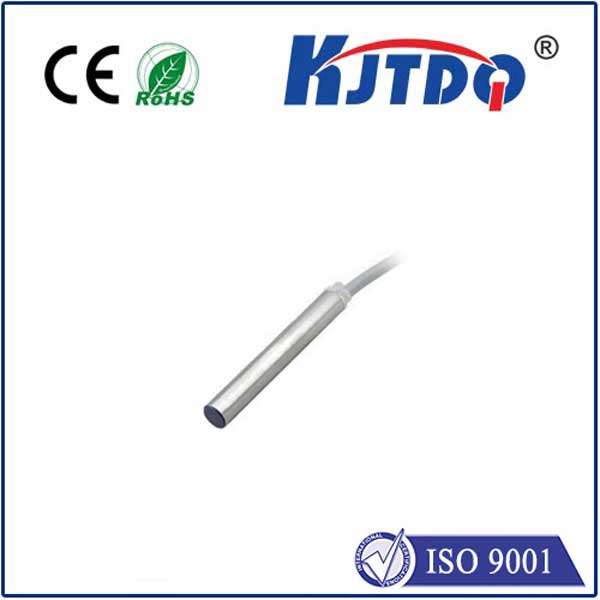
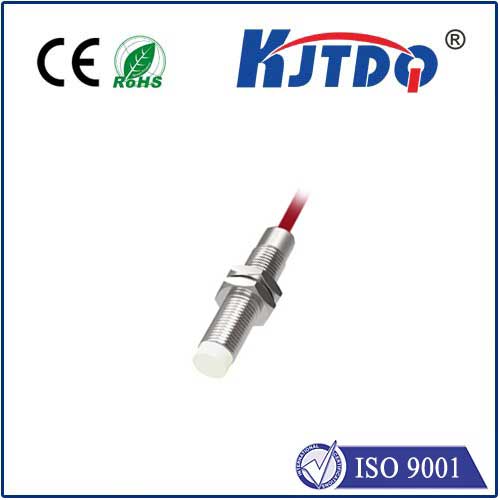
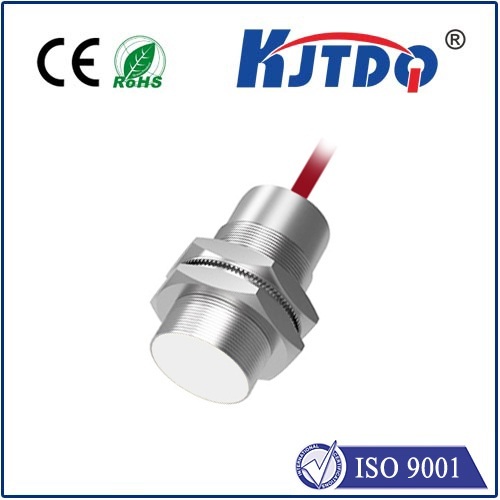
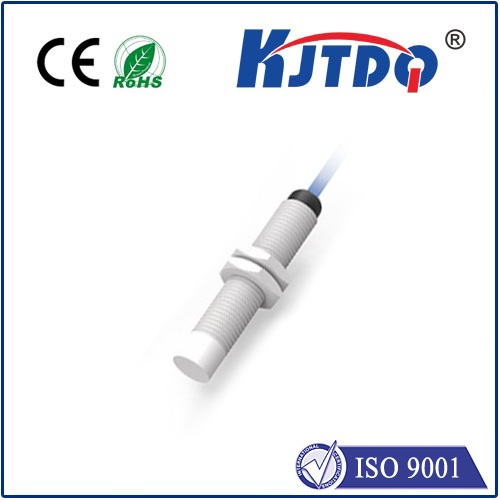
The integration of assembly line proximity sensors transforms production floors. They are the silent sentinels that manage material flow, count products, verify part placement, and control robotic arms with impeccable timing. For instance, in an automotive assembly line, an inductive proximity sensor can detect the precise position of a metal chassis, triggering the next welding or painting sequence. Similarly, capacitive sensors can monitor the level of non-metallic liquids in containers, ensuring consistent supply for processes. This level of automation, enabled by precise sensing, directly translates to increased throughput and a significant reduction in human error.
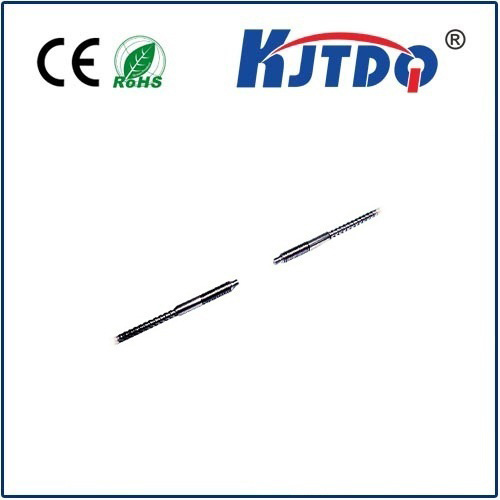
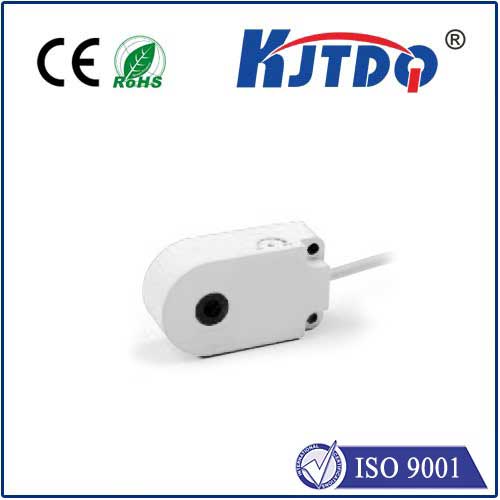
Choosing the right type of proximity sensor is paramount for optimal performance. Inductive sensors are ideal for detecting metallic objects, while capacitive sensors can handle a wider range of materials, including plastics, wood, and liquids. Photoelectric sensors use light beams for longer-range detection, and ultrasonic sensors excel in harsh environments with dust or vapor. The key is to match the sensor's technology—its sensing distance, response time, and environmental ratings—to the specific application on the assembly line. Factors like the target material, required sensing range, ambient temperature, and potential exposure to chemicals or washdowns must all be carefully considered during selection.
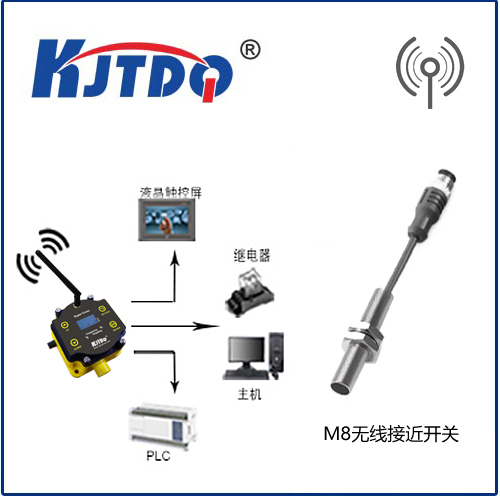
Beyond basic detection, modern assembly line proximity sensors are becoming smarter. Many now feature IO-Link communication, a point-to-point serial connection that goes beyond simple on/off signals. IO-Link enables parameter setting, real-time diagnostics, and process data exchange directly from the sensor to the control system. This allows for predictive maintenance, where potential sensor failures or process deviations can be identified before they cause downtime. Furthermore, the robust design of industrial-grade sensors ensures they withstand vibrations, electrical noise, and temperature fluctuations common in factory settings, guaranteeing consistent operation 24/7.
The return on investment from deploying high-quality assembly line proximity sensors is clear. They minimize product defects by ensuring components are correctly positioned before an operation begins. They enhance worker safety by automatically halting machinery when a person enters a hazardous zone. They also contribute to lean manufacturing goals by providing reliable data for process optimization and just-in-time inventory management. In essence, these sensors are not just components; they are intelligent nodes that feed critical data into the broader Industrial Internet of Things (IIoT) ecosystem, paving the way for fully connected, data-driven smart factories.
Implementing an effective sensing solution requires a strategic approach. It begins with a thorough analysis of each detection point on the line. Collaboration with experienced sensor providers can yield tailored solutions that address unique challenges. Regular calibration and maintenance, though minimal, are essential to preserve long-term accuracy. As assembly lines evolve towards greater flexibility and customization, the role of versatile and reliable proximity sensors will only become more central, acting as the fundamental enablers of agile and efficient production in the Industry 4.0 era.