check

check

check

check

check

check
In today's rapidly evolving industrial landscape, the demand for precise, reliable, and efficient sensing technology has never been greater. As a cornerstone of automation, proximity sensors play a critical role in enhancing productivity, ensuring safety, and optimizing processes across various sectors, from automotive manufacturing and packaging to robotics and material handling. Selecting the right proximity sensor manufacturer is paramount for businesses aiming to achieve seamless integration and long-term operational excellence.
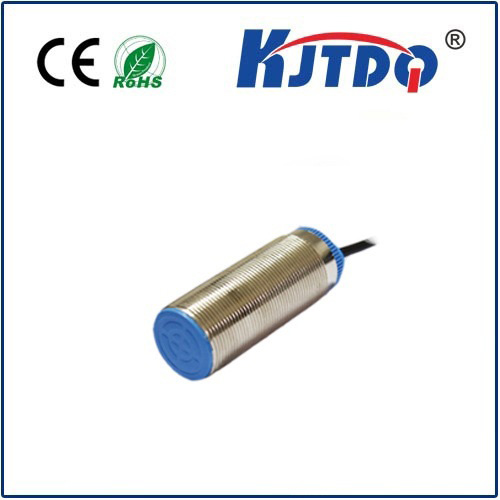
A premier proximity sensor manufacturer distinguishes itself through a combination of advanced engineering, rigorous quality control, and a deep understanding of diverse industrial applications. Such a manufacturer doesn't just supply components; it delivers comprehensive sensing solutions tailored to specific environmental challenges and performance requirements. Key product offerings typically include inductive, capacitive, and magnetic proximity sensors, each designed to detect the presence or absence of objects without physical contact. Inductive sensors, for instance, are ideal for metal detection in harsh factory environments, while capacitive sensors can handle non-metallic materials like liquids, plastics, and wood, making them versatile for complex applications.
The hallmark of a trusted manufacturer lies in its commitment to innovation and durability. Cutting-edge research and development lead to sensors with enhanced sensing ranges, improved immunity to electrical noise, and robust housings that withstand extreme temperatures, moisture, and vibration. Features like short-circuit protection, reverse polarity protection, and LED status indicators are standard, ensuring minimal downtime and easy maintenance. Furthermore, industry-specific certifications, such as IP67, IP69K, or ATEX ratings for hazardous areas, underscore a product's reliability and safety compliance, giving engineers and plant managers the confidence to deploy them in critical operations.
Beyond product specifications, a leading manufacturer provides invaluable technical support and customization services. From the initial design phase to installation and troubleshooting, expert guidance helps clients select the optimal sensor type, output configuration (e.g., NPN, PNP, analog), and mounting style. This collaborative approach ensures that sensors integrate flawlessly into existing machinery and control systems, such as PLCs, maximizing efficiency and return on investment. Additionally, with the rise of Industry 4.0 and the Industrial Internet of Things (IIoT), forward-thinking manufacturers are incorporating smart features like IO-Link communication, enabling real-time data exchange, predictive maintenance, and seamless connectivity within digital factory networks.
Global supply chain capabilities and consistent product availability are also crucial factors. A manufacturer with a strong logistical network can guarantee timely delivery, reducing project delays and supporting just-in-time production models. Comprehensive documentation, detailed datasheets, and accessible online resources further empower customers to make informed decisions and implement solutions quickly.
Ultimately, partnering with a reputable proximity sensor manufacturer is a strategic investment in operational resilience and future growth. By leveraging high-precision sensors, businesses can automate complex tasks, reduce waste, enhance worker safety, and achieve higher levels of quality control. In an era where automation and efficiency are key competitive advantages, the choice of sensor technology partner directly impacts a company's bottom line and innovation trajectory.
For industries seeking to upgrade their automation infrastructure, engaging with a dedicated manufacturer that prioritizes quality, innovation, and customer success is the first step toward building smarter, more responsive, and more productive operations. The right sensors not only detect objects but also unlock new potentials in manufacturing agility and intelligence.