check

check

check

check

check

check
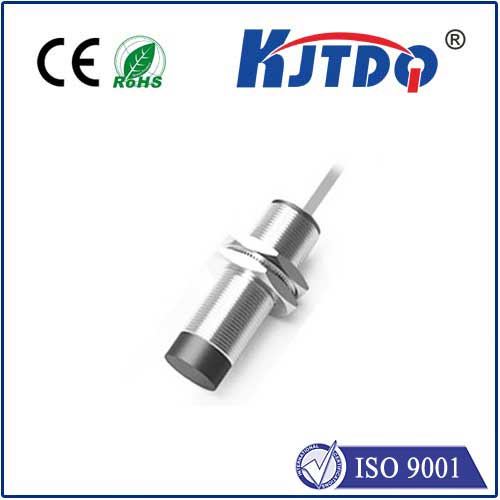
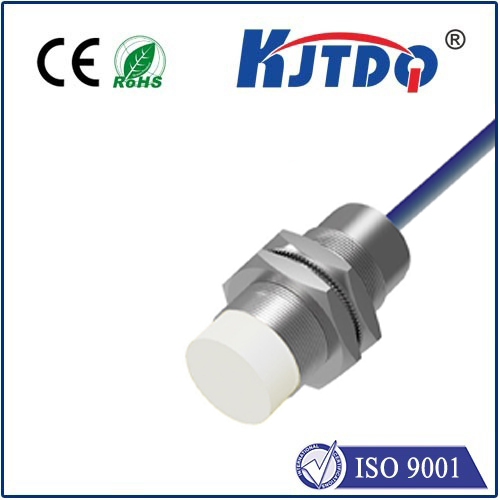
In the world of industrial automation and machine safety, precision and reliability are non-negotiable. Among the myriad of components that ensure seamless operation, the proximity sensor stands as a silent guardian. Specifically, the M30 Proximity Sensor has emerged as a cornerstone in modern manufacturing and processing lines. This cylindrical, threaded sensor, with a standard 30mm diameter, offers a robust solution for non-contact object detection in challenging environments. Unlike mechanical limit switches, it operates without physical touch, detecting the presence of metallic or, in some variants, non-metallic objects through an electromagnetic field. This fundamental principle eliminates wear and tear, granting it a significantly longer operational lifespan and reducing maintenance downtime.
The core advantage of the M30 Proximity Sensor lies in its versatility and durability. Housed in a sturdy metal body, typically stainless steel or nickel-plated brass, it is designed to withstand harsh industrial conditions including dust, coolant sprays, vibrations, and temperature fluctuations. Its threaded barrel allows for easy and secure mounting, ensuring stable performance even in high-vibration applications. Engineers and system integrators favor the M30 size for its optimal balance between sensing range, physical robustness, and mounting flexibility. Common sensing distances vary depending on the technology (inductive, capacitive) and target material, but inductive M30 sensors can reliably detect standard steel targets at ranges up to 15mm or more.
When integrating an M30 Proximity Sensor into a system, several technical specifications demand attention. The sensing range, repeat accuracy, response frequency, and output type (PNP/NPN, NO/NC) are critical parameters that determine its suitability for a specific task. For instance, in a high-speed packaging line, a sensor with a high switching frequency is essential to keep pace. Furthermore, the choice between shielded (flush-mountable) and unshielded versions is crucial. Shielded M30 sensors can be embedded in metal without affecting their sensing field, while unshielded types offer a longer sensing range but require non-metallic surroundings.
Beyond basic detection, advanced M30 sensors incorporate features like IO-Link communication. This digital interface transforms a simple sensor into a smart device, enabling parameter setting, condition monitoring, and diagnostic data exchange with the control system. Predictive maintenance becomes possible, as the sensor can report operational hours, temperature warnings, or signal strength degradation, preventing unexpected failures. This intelligence is pivotal for Industry 4.0 and smart factory initiatives, where data-driven decision-making optimizes overall equipment effectiveness (OEE).
Typical applications for the M30 Proximity Sensor are vast and varied. You will find them performing essential duties on CNC machine tools, monitoring tool presence or workpiece position. In automotive assembly, they verify the correct placement of components. On conveyor systems, they count products, control sorting gates, or detect jams. In material handling and robotics, they provide precise position feedback for arms and grippers. Their hermetic sealing often makes them suitable for washdown areas in food and beverage or pharmaceutical production.
Selecting the right M30 Proximity Sensor requires a clear understanding of the application's demands. Consider the target material: standard inductive sensors detect metals, while capacitive versions can handle plastics, liquids, or wood. Evaluate the environmental factors such as exposure to chemicals, extreme temperatures, or electrical noise. The required electrical interface must match the existing PLC or controller input cards. Lastly, certifications for specific industries, like ATEX for explosive atmospheres, may be necessary.
Installation and wiring, while straightforward, require care. Ensuring proper grounding, maintaining the recommended clearance from other metal objects, and using shielded cables in electrically noisy environments are best practices that guarantee stable signal integrity and prevent false triggers. Regular functional checks, though minimal due to their solid-state design, should be part of routine maintenance schedules to confirm alignment and cleanliness of the sensing face.
In conclusion, the M30 Proximity Sensor is far more than a simple switch. It is a reliable, durable, and increasingly intelligent component that forms the sensory backbone of automated systems. Its standardized form factor and proven technology make it a go-to choice for engineers worldwide seeking to enhance machine reliability, safety, and efficiency. From basic presence detection to enabling complex industrial IoT networks, the humble M30 sensor continues to play a pivotal role in driving productivity and innovation on the factory floor.