check

check

check

check

check

check
In the dynamic landscape of industrial automation, the demand for robust, accurate, and non-contact sensing solutions is paramount. Among the various technologies available, the Long Range Inductive Sensor stands out as a critical component for numerous applications. This advanced sensor technology offers unparalleled benefits in environments where durability, precision, and extended detection capabilities are essential.
Inductive sensors operate on the principle of electromagnetic induction. They generate an oscillating electromagnetic field from a coil. When a metallic target enters this field, eddy currents are induced within the target, which in turn dampens the oscillation of the sensor's coil. This change is detected and converted into a switch signal. Traditional inductive sensors have limitations in their sensing distance, typically ranging from a few millimeters to, at most, 20-30 millimeters. The Long Range Inductive Sensor, however, significantly extends this capability, often achieving reliable detection distances of 40 millimeters, 60 millimeters, or even more, depending on the specific model and target material.
The core advantage of the Long Range Inductive Sensor lies in its ability to detect objects from a greater distance without physical contact. This feature is invaluable in applications involving large machinery, heavy-duty equipment, or setups where sensors cannot be mounted close to the target due to spatial constraints or safety concerns. For instance, in automated storage and retrieval systems (AS/RS), these sensors can reliably detect the position of pallets or shuttle cars from a safe distance, preventing collisions and ensuring smooth operation. In welding automation, they can sense the approach of large robotic arms or workpiece fixtures, triggering subsequent processes without risk of damage from heat or spatter.
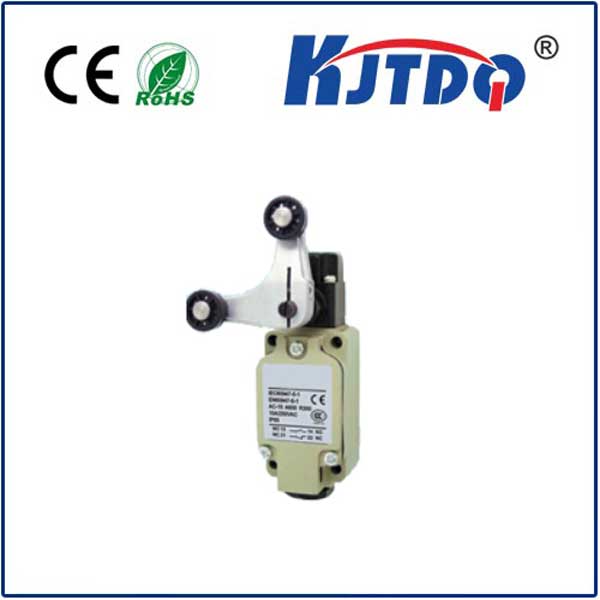
Durability is another hallmark of this technology. Encased in robust materials like stainless steel or PBT plastic, Long Range Inductive Sensors are designed to withstand harsh industrial environments. They are resistant to dust, dirt, oils, coolants, and even high-pressure washdowns. This makes them ideal for use in automotive manufacturing, metalworking, food and beverage processing, and packaging industries. Their non-contact nature also means there is no mechanical wear and tear, leading to a significantly longer operational lifespan compared to mechanical limit switches.
Precision and reliability are non-negotiable in modern automation. These sensors provide consistent and repeatable switching points, which is crucial for quality control and process stability. Whether it's for precise positioning control on a conveyor line, detecting the presence of metal parts in an assembly station, or monitoring the end position of a cylinder in hydraulic systems, the long-range variant delivers dependable performance. Advanced models incorporate features like teach-in functionality, allowing for easy adjustment of the sensing range on-site, and IO-Link communication for seamless integration into Industry 4.0 networks, enabling predictive maintenance and data exchange.
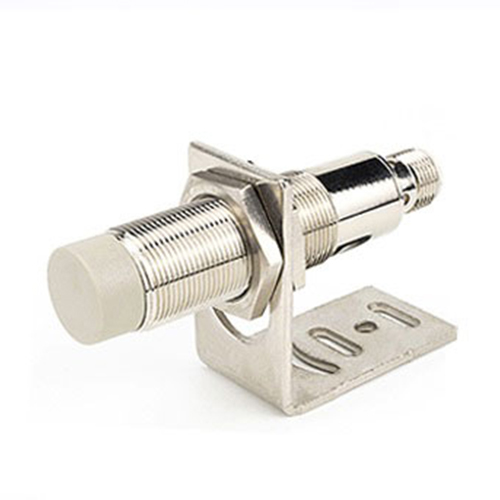
When selecting a Long Range Inductive Sensor, several factors must be considered. The sensing distance, often specified for a standard iron target, is the primary parameter. It's important to note that the effective range can vary with different metals; for example, the range for aluminum or copper is typically less than for steel. The sensor's housing shape (cylindrical, rectangular, or ring-shaped) and size must fit the installation space. Environmental factors such as ambient temperature and the need for specific ingress protection (IP) ratings are also critical. Furthermore, the output type (PNP/NPN, NO/NC) must be compatible with the control system in use.
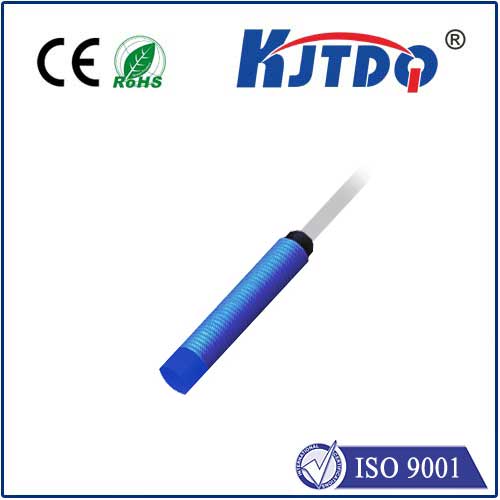
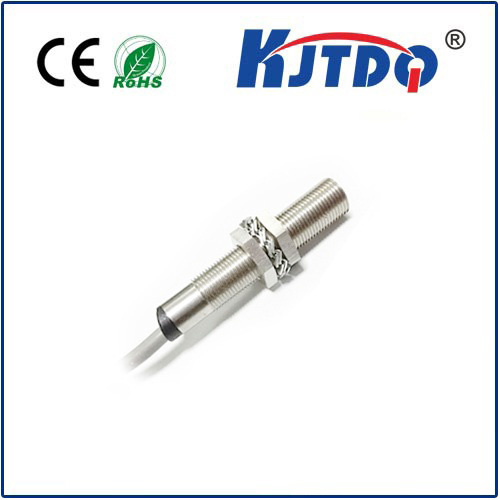
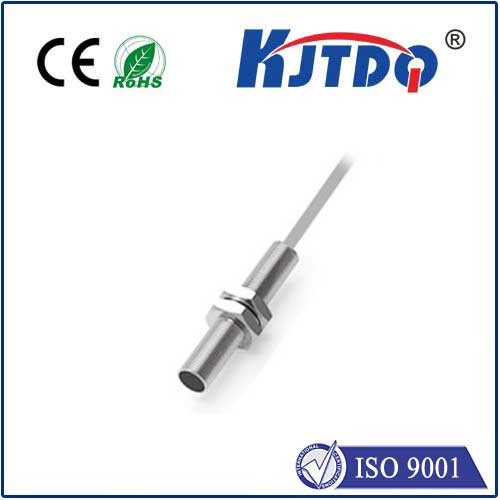
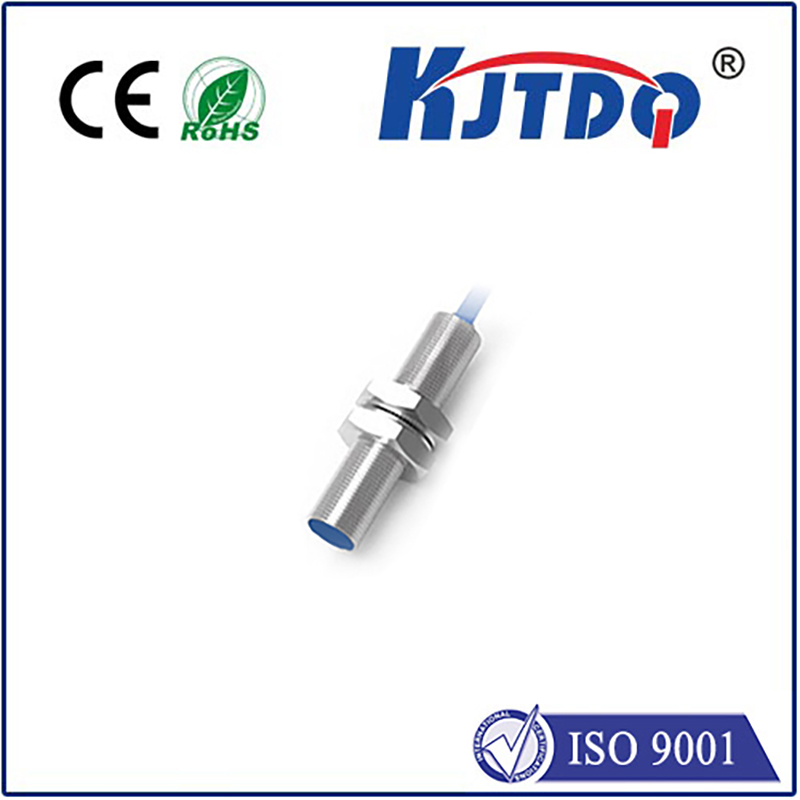
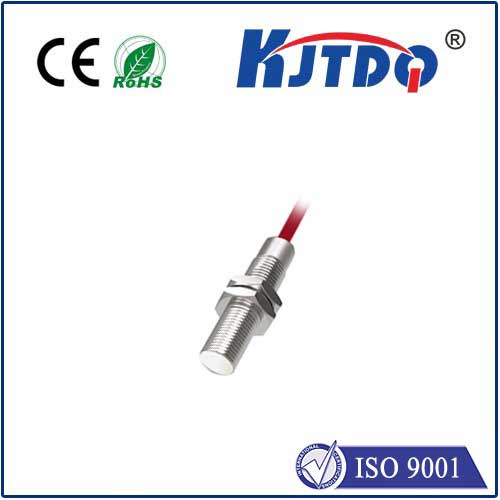
The integration of Long Range Inductive Sensors, such as the KJTDQ series, into automation systems represents a strategic investment in efficiency and safety. By enabling detection from afar, they provide system designers with greater flexibility in machine layout. They reduce downtime caused by sensor failure or misalignment and contribute to higher overall equipment effectiveness (OEE). Their role in facilitating the transition towards smarter, more connected factories is undeniable, as they provide the essential raw data on machine and part position that drives automated decision-making.
In conclusion, the Long Range Inductive Sensor is more than just a component; it is a foundational element for advanced industrial sensing. Its extended range, coupled with inherent ruggedness and precision, addresses the core challenges of modern manufacturing and logistics. As industries continue to push the boundaries of automation and seek greater operational resilience, technologies like the KJTDQ Long Range Inductive Sensor will remain at the forefront, ensuring processes are not only automated but are also intelligent, reliable, and future-proof.