check

check

check

check

check

check
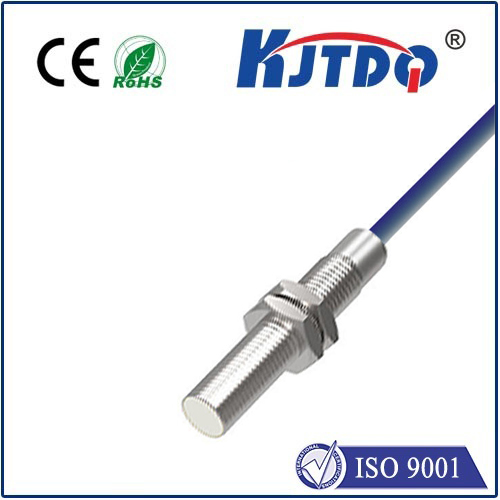
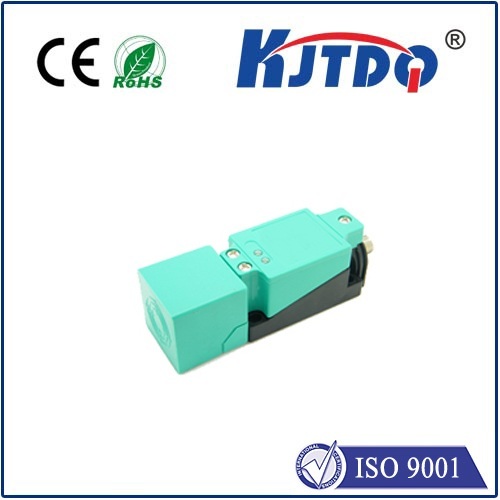
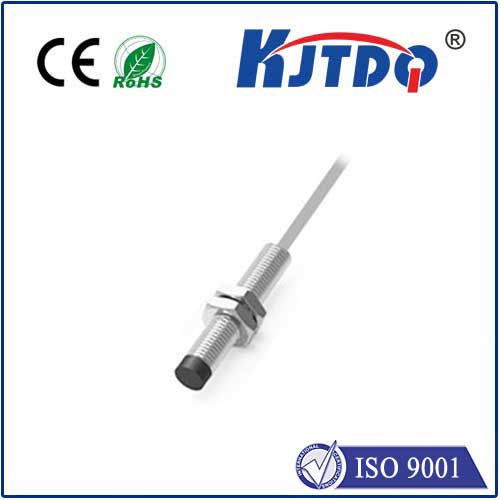
In the world of industrial automation and precision measurement, the ability to detect objects reliably from a distance without physical contact is paramount. This is where the Long Distance Inductive Sensor, often abbreviated in technical circles, comes into play, offering a robust solution for challenging applications. Unlike standard inductive proximity sensors with limited ranges, these specialized devices are engineered to sense metallic targets from significantly farther away, bridging gaps where other technologies falter.
The core principle remains based on electromagnetic induction. The sensor generates an oscillating electromagnetic field from its active face. When a metallic object enters this field, eddy currents are induced on the target's surface. This process dampens the oscillation within the sensor's coil, a change that is meticulously detected and converted into a clear output signal. The engineering marvel of long-distance variants lies in their amplified field generation and highly sensitive detection circuits, allowing them to perceive these minute disturbances from several inches away, compared to the mere millimeters of standard sensors. This extended range opens a new dimension for system designers.
The applications for Long Distance Inductive Sensors are vast and critical. They are indispensable in heavy industries such as steel manufacturing and automotive assembly, where they monitor the position of large metal structures, crane hooks, or robotic arms from a safe distance, preventing collisions. In logistics and material handling, they reliably detect pallets, containers, or metal parts on high-speed conveyors without the need for precise, close-up mounting. Forestry and agricultural machinery utilize them to monitor the position of implements. Furthermore, they serve as effective over-travel or end-of-travel safety sentinels in large linear actuators or doors, providing an essential layer of protection.
Choosing the right sensor involves careful consideration of several technical parameters. The nominal sensing distance, or range, is the foremost specification, defining the maximum distance at which a standard target can be reliably detected. It is crucial to note that this range can be influenced by the target's material, size, and shape; ferrous metals like steel are typically detected at the full nominal range, while non-ferrous metals like aluminum or copper may require a reduction factor. The sensor's housing material, often stainless steel or ruggedized PBT plastic, must withstand the environmental conditions, including exposure to coolants, oils, and physical impacts. Output type (PNP/NPN analog or digital) and connection method (pre-wired cable or quick-disconnect) must align with the control system's requirements.
The advantages of implementing these sensors are compelling. Their non-contact nature eliminates mechanical wear and tear, ensuring exceptional long-term reliability and reducing maintenance costs. They are immune to ambient light, dust, and dirt—common challenges for optical sensors—making them perfectly suited for harsh, dirty industrial environments. With no moving parts, they offer incredibly fast response times, capable of detecting objects in high-speed processes. Their solid-state design provides remarkable resistance to vibration and shock.
However, a key limitation must be acknowledged: they detect only metallic objects. For non-metallic target detection, capacitive or ultrasonic sensors would be the appropriate choice. Additionally, for the longest ranges and most demanding applications, engineers may evaluate alternative technologies like LiDAR or radar, though often at a higher cost and complexity.
In conclusion, the Long Distance Inductive Sensor stands as a cornerstone technology for modern industrial sensing. By providing reliable, wear-free detection of metal objects from an extended range, it solves complex positioning, safety, and control challenges. When integrated thoughtfully into a system—with proper consideration for target material, environmental factors, and electrical compatibility—it delivers unparalleled durability and performance. As automation continues to evolve towards smarter and more flexible systems, the role of these robust and dependable sensors will only grow more significant, solidifying their status as a critical component on the factory floor and beyond.