check

check

check

check

check

check
In the dynamic landscape of modern manufacturing, the relentless pursuit of efficiency, precision, and safety is paramount. At the heart of this industrial evolution lies a critical yet often unsung component: the proximity sensor. Specifically engineered for the demanding environments of the manufacturing sector, these sensors are indispensable tools that drive automation, ensure quality control, and safeguard both machinery and personnel. Unlike basic switches or manual inspections, industrial-grade proximity sensors offer non-contact detection, providing reliable, wear-free operation that is essential for high-cycle production lines.
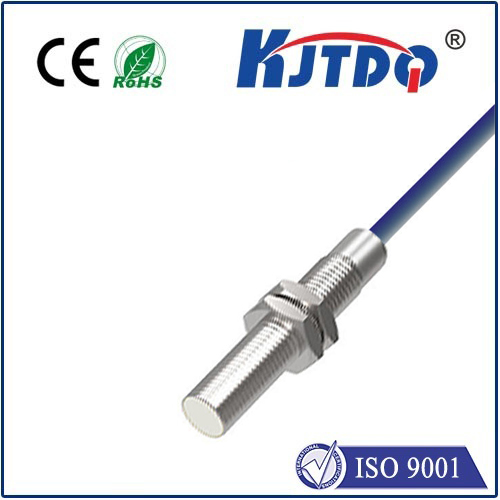
The core function of a proximity sensor in a manufacturing setting is to detect the presence or absence of an object without any physical contact. This is achieved through various technologies, with inductive, capacitive, and photoelectric sensors being the most prevalent. Inductive sensors, for instance, are ideal for detecting metallic objects and are commonly used in metalworking, assembly line counting, and robotic arm positioning. Their robustness against dust, oil, and coolant splashes makes them a staple in harsh machine shop environments. Capacitive sensors, on the other hand, can detect a wider range of materials, including liquids, plastics, and wood, proving invaluable in packaging, filling, and material handling applications. Photoelectric sensors use light beams to detect objects over longer distances and are perfect for transparent object detection or in areas where precise positioning is required.
The integration of high-performance proximity sensors directly translates to tangible operational benefits. First and foremost is the enhancement of precision. In automated assembly processes, sensors provide micron-level accuracy in part positioning, ensuring components are correctly aligned before welding, fastening, or painting. This minimizes errors, reduces waste from misassembled products, and maintains consistent quality output. Secondly, they significantly boost efficiency. By enabling continuous, high-speed monitoring and control, sensors eliminate production bottlenecks. Machines can operate at optimal speeds with automatic feedback loops, reducing downtime previously needed for manual checks or adjustments.
Safety is another critical dimension. Proximity sensors act as the first line of defense in safety interlock systems. They can detect if a safety guard door is properly closed or if a worker's hand is too close to a dangerous moving part, immediately sending a signal to halt the machine. This non-contact safety feature is crucial for complying with stringent industrial safety regulations and protecting the workforce.
Furthermore, the data generated by these sensors feed into larger Industrial Internet of Things (IIoT) ecosystems. By providing real-time information on machine cycles, part counts, and operational status, proximity sensors contribute to predictive maintenance strategies. Maintenance teams can be alerted to potential issues, such as a misaligned part feeder or a weakening sensor signal, before they lead to catastrophic equipment failure, thereby optimizing maintenance schedules and reducing unplanned downtime.
When selecting a proximity sensor for a manufacturing application, several factors must be considered. The sensing range, response time, environmental resistance (to temperature, pressure, and chemicals), and output type (PNP/NPN) must align with the specific task. For example, a sensor on a fast-moving bottling line requires an extremely fast response time, while one in a foundry must withstand extreme temperatures.
In conclusion, the proximity sensor is far more than a simple detection device; it is a fundamental enabler of intelligent manufacturing. From automotive assembly and food processing to pharmaceuticals and electronics, these sensors provide the essential "sight" and "touch" for automated systems. By ensuring precise operation, maximizing throughput, enhancing safety, and enabling data-driven insights, proximity sensors like the KJTDQ series are pivotal investments. They empower manufacturers to build smarter, more resilient, and more competitive operations, laying the groundwork for the factories of the future.