check

check

check

check

check

check
In the modern urban landscape, elevators are indispensable for vertical transportation. Their seamless operation, often taken for granted, relies on a complex network of components working in perfect harmony. Among these critical components, the proximity sensor plays a pivotal role, acting as the silent guardian of safety, efficiency, and passenger comfort. This technology, specifically designed for elevator systems, has revolutionized how elevators interact with their environment and passengers.
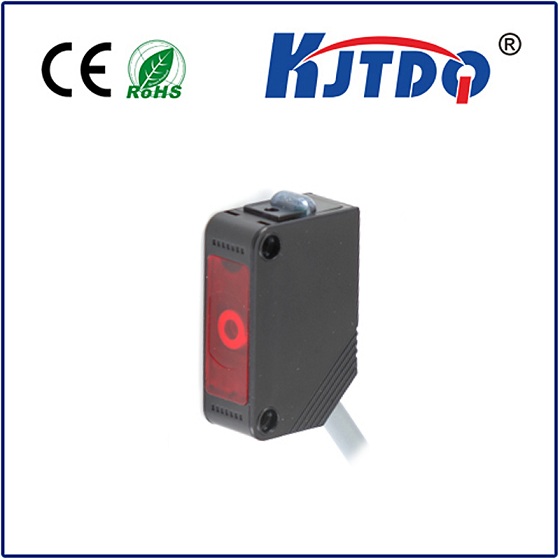
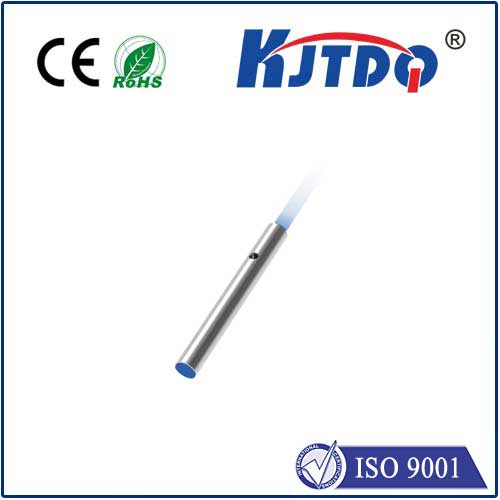
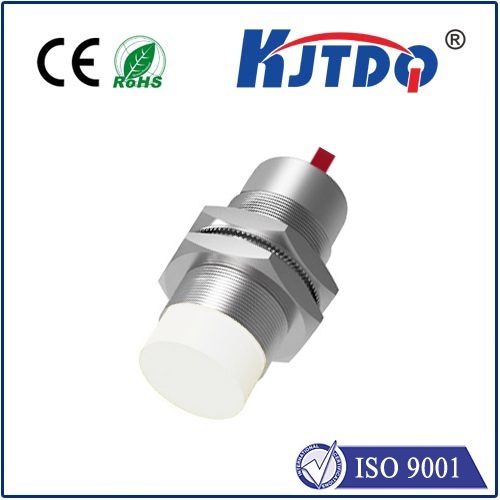
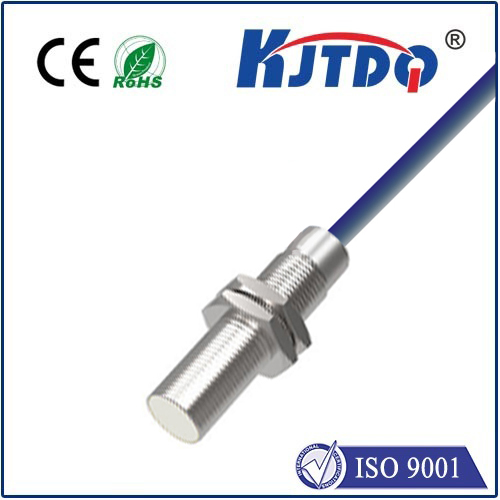
At its core, a proximity sensor for an elevator system is a non-contact device that detects the presence or absence of an object within a specific range. Unlike mechanical switches, it operates without physical contact, using electromagnetic fields, infrared light, or ultrasonic waves. This fundamental principle eliminates wear and tear, significantly enhancing reliability and longevity. In elevator applications, these sensors are strategically deployed for multiple crucial functions, forming the nervous system of the cab and shaft.
One of the most visible and critical safety applications is door operation. Proximity sensors are installed on elevator doors to prevent them from closing on passengers or objects. As the doors begin to close, the sensor continuously scans the doorway. If it detects an obstruction, it immediately sends a signal to the control system to reverse the door movement, preventing accidents and ensuring passenger safety. This feature is paramount for compliance with stringent international safety standards. Beyond safety, this also improves traffic flow by reducing unnecessary door cycles and delays caused by obstructions.
Precision in floor leveling is another area where proximity sensors excel. For an elevator to stop exactly flush with a floor, the control system requires accurate positional feedback. Proximity sensors mounted in the hoistway or on the car detect precise markers or patterns on the guide rails. This feedback allows the drive system to make micro-adjustments, ensuring the car stops level with the landing every time. This eliminates tripping hazards and provides a smooth, professional arrival experience, which is especially important in commercial and residential buildings.
Within the elevator car, proximity sensors contribute to operational efficiency and hygiene. Touchless call buttons, activated by a hand wave in front of a sensor, are becoming increasingly popular. This not only offers a modern, sleek interface but also promotes hygiene by reducing surface contact—a consideration that has gained immense importance. Furthermore, sensors can monitor car load by detecting the position of the car platform or through other indirect means, helping to prevent overload situations and optimize dispatch algorithms.
The hoistway, the vertical shaft through which the elevator travels, is also monitored by an array of proximity sensors. They can detect the exact position of the car, monitor the movement of counterweights, and ensure that safety zones are clear before the car moves. This continuous monitoring is vital for predictive maintenance. By analyzing sensor data over time, maintenance teams can identify patterns indicating wear on components like guide shoes or irregularities in travel, allowing for intervention before a failure occurs. This shift from reactive to predictive maintenance minimizes downtime and extends the overall lifespan of the elevator system.
The integration of advanced proximity sensing technology directly impacts energy consumption. By enabling more efficient door operations, precise floor leveling that reduces corrective movements, and optimized traffic management based on accurate car position data, the overall energy usage of the elevator system is reduced. This contributes to the sustainability goals of modern buildings.
When selecting a proximity sensor for an elevator system, several factors are crucial. The sensing range, response time, and environmental durability must be carefully matched to the application. Sensors must reliably operate in environments with vibration, temperature fluctuations, and potential electromagnetic interference from drive motors. Robustness and a high IP (Ingress Protection) rating for dust and moisture are often essential. Compatibility with the elevator's main control system is also a key consideration for seamless integration and communication.
In conclusion, the proximity sensor is far more than a simple component; it is an intelligent enabler of modern elevator performance. From ensuring the fundamental safety of door operations to enabling touchless controls, precise leveling, and predictive maintenance, its contributions are integral. As elevator technology advances towards smarter, more connected systems, the role of precise and reliable proximity sensing will only grow in importance. Investing in high-quality, application-specific proximity sensors is not merely a technical specification but a commitment to safety, efficiency, reliability, and superior passenger experience in every vertical journey.