check

check

check

check

check

check
In the highly automated and precision-driven world of modern automobile production, every component plays a critical role in ensuring efficiency, quality, and safety. Among these essential components, the proximity sensor stands out as a fundamental technology that quietly but powerfully drives the manufacturing process forward. The integration of advanced proximity sensors has become a cornerstone for automotive plants aiming to achieve higher levels of automation, reduce errors, and maintain stringent safety standards.
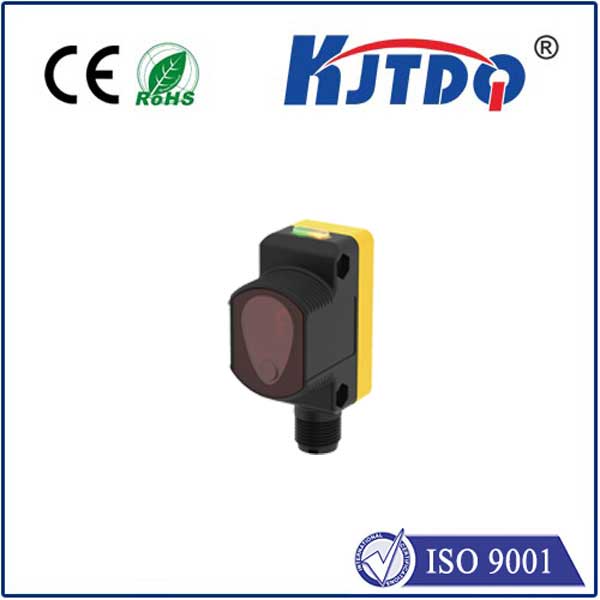
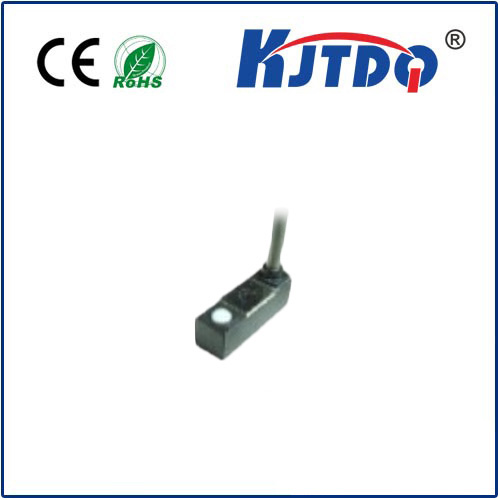
The primary function of a proximity sensor in an automotive production line is to detect the presence or absence of an object without any physical contact. This non-contact detection capability is invaluable. It allows for the precise positioning of vehicle parts, such as body panels, engines, and interior components, as they move along assembly lines. By providing real-time feedback, these sensors enable robotic arms and other automated machinery to perform tasks like welding, painting, and assembly with remarkable accuracy. This precision directly translates to improved product consistency and a significant reduction in material waste and rework.
Safety is another paramount concern in bustling automotive factories. Proximity sensors contribute immensely to creating safer work environments for both human workers and expensive machinery. They are strategically installed to form safety curtains or zones around hazardous areas, such as robotic welding stations or heavy pressing machines. If a sensor detects an unauthorized intrusion into a restricted zone, it can instantly signal the machinery to stop or enter a safe mode, preventing potential accidents. This proactive safety measure protects personnel and minimizes costly equipment damage and production downtime.
The evolution of proximity sensor technology has kept pace with the automotive industry's demands. Modern sensors for automobile production are designed to be exceptionally robust, capable of withstanding harsh industrial environments characterized by dust, oil, coolant sprays, and electromagnetic interference. They offer various sensing principles, including inductive, capacitive, and magnetic, allowing engineers to select the optimal type for specific applications. For instance, inductive sensors are perfect for detecting metallic parts like engine blocks, while capacitive sensors can handle non-metallic materials such as plastics and glass used in interiors and windows.
Furthermore, the rise of Industry 4.0 and smart manufacturing has elevated the role of the proximity sensor. These sensors are now integral nodes in the Internet of Things (IoT) ecosystem within a factory. They don't just provide simple on/off signals; they generate valuable data about machine operation, part flow, and process cycles. This data is fed into central control systems for real-time monitoring, predictive maintenance, and process optimization. By analyzing sensor data, production managers can identify bottlenecks, forecast maintenance needs before a breakdown occurs, and fine-tune the entire production line for peak performance.
The economic benefits of deploying high-quality proximity sensors throughout automobile production are substantial. While the initial investment is a factor, the long-term returns are compelling. Enhanced precision reduces defects and warranty claims. Improved safety lowers insurance costs and avoids litigation. Increased automation and data-driven insights lead to higher throughput and better overall equipment effectiveness (OEE). In a competitive global market, these efficiencies are crucial for maintaining profitability and market share.
In conclusion, the proximity sensor is far more than a simple switch in an automotive plant. It is a sophisticated enabler of precision, a guardian of safety, and a key data source for intelligent manufacturing. As the automotive industry continues to advance towards more electric and autonomous vehicles, the demands on production technology will only intensify. The reliable, accurate, and intelligent proximity sensor will undoubtedly remain an indispensable tool, ensuring that the vehicles of tomorrow are built with the highest standards of quality and efficiency. Choosing the right sensor technology is not just an operational decision; it is a strategic investment in the future of automobile manufacturing.