check

check

check

check

check

check
In the intricate dance of modern automation, where precision and reliability are paramount, there exists a silent sentinel: the electronic proximity sensor. Often unseen and unheard, this device is a cornerstone of countless industrial and consumer applications, enabling machines to perceive their environment without physical contact. The principle behind its operation is elegantly simple yet profoundly effective. Unlike mechanical switches that require a direct touch, an electronic proximity sensor detects the presence or absence of a target object through changes in an electromagnetic field, capacitance, or by emitting a beam of light. This non-contact nature is its superpower, eliminating wear and tear, reducing maintenance, and enabling high-speed operation that mechanical components could never sustain.
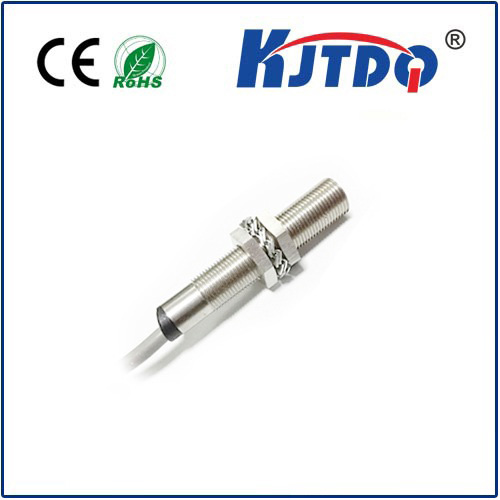
The most common type is the inductive proximity sensor, a workhorse in manufacturing. It generates an oscillating electromagnetic field from its face. When a metallic object, such as a robotic arm gripper or a machine part, enters this field, it induces eddy currents within the target. The sensor detects this disturbance and triggers a solid-state electronic switch. This makes it ideal for harsh environments filled with dirt, oil, or moisture, where optical sensors might fail. For non-metallic targets like glass, plastic, liquids, or even a human hand, capacitive proximity sensors step in. They function by detecting changes in capacitance—the ability to store an electrical charge—when any material with a different dielectric constant enters their sensing field. This versatility finds applications in level detection for tanks, touch-sensitive interfaces, and material handling.
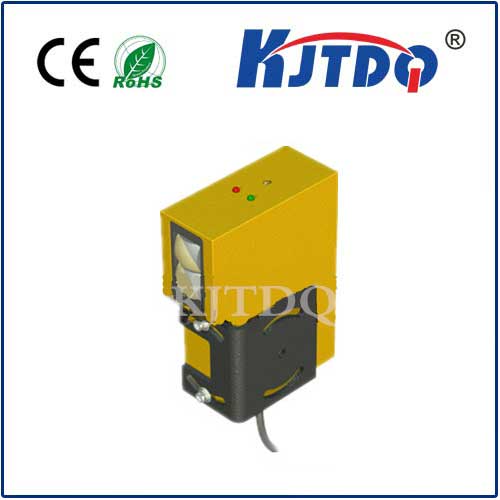
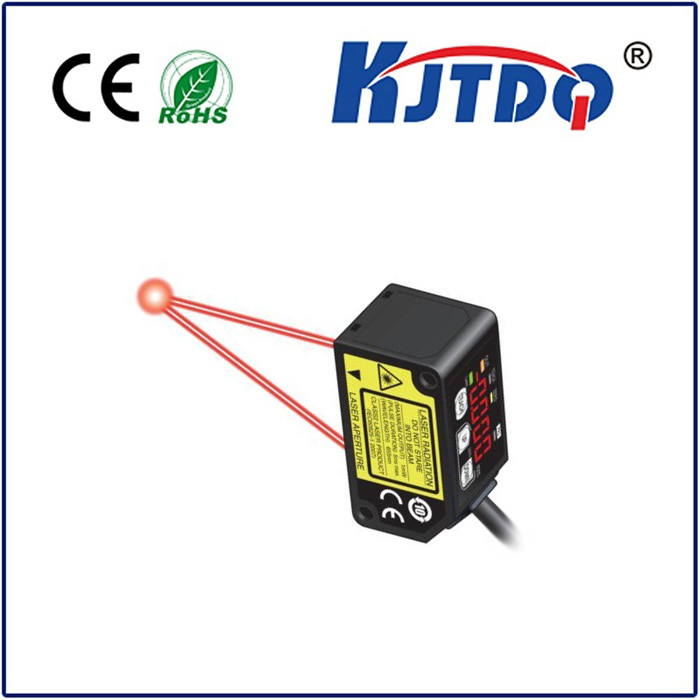
Another critical category is the photoelectric sensor, which uses light, typically infrared or laser, to detect objects. While often grouped separately, its core function aligns with proximity sensing. It can be configured in through-beam, retro-reflective, or diffuse (proximity) modes. The diffuse mode, where the emitter and receiver are in the same housing and rely on light reflected from the target, is a true proximity sensor. It excels at detecting objects of various colors and materials at longer ranges than inductive or capacitive types, commonly used in packaging, conveyor systems, and automated doors.
The integration of the Electronic Proximity Sensor, or KJTDQ as referenced in some technical specifications, into automated systems brings transformative benefits. First and foremost is enhanced safety. Sensors can create invisible safety curtains around dangerous machinery, instantly halting operation if a worker breaches the zone. They enable precise positioning, ensuring a robotic welder or assembly tool is exactly in the right place before an action commences. In high-volume production, they provide relentless counting and inspection capabilities, verifying every component is present on an assembly line. Their speed allows for real-time process control, adapting machinery operations on the fly based on what the sensor "sees."
Choosing the right sensor requires careful consideration. Engineers must evaluate the target material (metal, plastic, liquid), the required sensing distance, environmental conditions (temperature, contaminants), the output type needed (NPN/PNP, analog, IO-Link), and the required response speed. A sensor selected for detecting steel pistons in an automotive plant will be different from one monitoring the fill level of a shampoo bottle. The advent of smart sensors with integrated diagnostics and industrial network connectivity (like IO-Link) has further elevated their role, providing predictive maintenance data and seamless integration into Industry 4.0 frameworks.
From the smartphone in your pocket, whose screen turns off when held to your ear, to the massive automated warehouse orchestrating the delivery of goods, electronic proximity sensors are the fundamental enablers. They are the invisible guardians that provide the essential sense of touch to the digital and automated world. By offering reliable, contactless detection, they not only boost efficiency and productivity but also pave the way for more sophisticated, responsive, and safer automated systems. Their continued evolution towards miniaturization, increased intelligence, and robustness ensures they will remain an indispensable component in the technological landscape for years to come.