check

check

check

check

check

check
In the dynamic landscape of modern manufacturing, the relentless pursuit of efficiency, precision, and safety is paramount. At the heart of this industrial evolution lies a critical component often unseen but indispensable: the proximity sensor. Specifically designed for production line applications, these sophisticated devices have become the silent sentinels of automation, driving operational excellence and minimizing costly downtime.
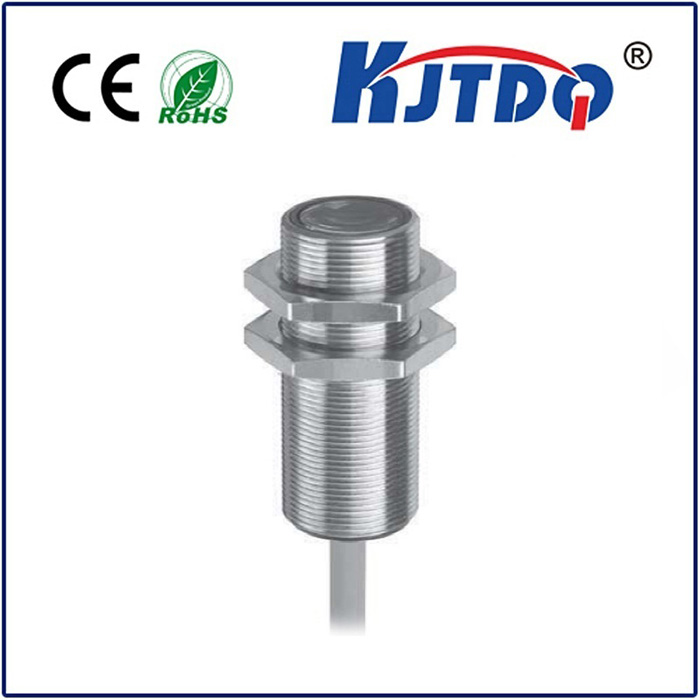
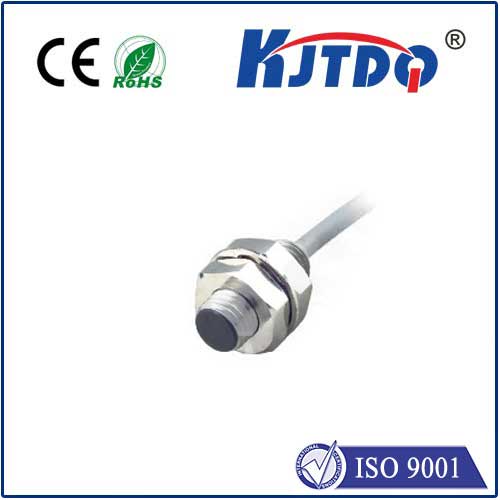
A proximity sensor for a production line is a non-contact electronic device that detects the presence or absence of an object within its sensing range without any physical contact. It operates by emitting an electromagnetic field or a beam of electromagnetic radiation and then monitoring for changes in the field or return signal. This fundamental principle allows for reliable detection of metals, plastics, liquids, and other materials, making it incredibly versatile across various stages of assembly, packaging, sorting, and material handling.
The integration of high-performance proximity sensors, such as the KJTDQ series, brings transformative benefits to manufacturing workflows. Firstly, they enable unparalleled precision in positioning and counting. On a high-speed bottling line, for instance, sensors accurately count each bottle, ensuring proper filling levels and triggering capping mechanisms at the exact moment. This eliminates product waste and guarantees consistent quality. Secondly, they are crucial for safety and collision avoidance. In robotic assembly cells, sensors create invisible safety zones, halting robot movement when a human operator enters a predefined area, thereby preventing accidents and protecting both personnel and expensive machinery.
Moreover, the robustness of industrial-grade proximity sensors cannot be overstated. Engineered to withstand harsh environments—including exposure to dust, moisture, oil, coolant, and extreme temperatures—they ensure continuous operation where other sensing methods might fail. Their solid-state design, with no moving parts, translates to exceptional longevity and minimal maintenance requirements, contributing directly to lower total cost of ownership and higher overall equipment effectiveness (OEE).
One of the key advancements in this field is the development of sensors with enhanced sensing ranges and immunity to environmental interference. Modern variants can differentiate between target objects and background materials, reducing false triggers. For example, in metal stamping presses, a sensor must reliably detect a metal sheet while ignoring the surrounding metal frame. Advanced models achieve this with high precision, ensuring flawless sequencing of the press operation.
The application spectrum is vast. In automotive manufacturing, proximity sensors verify the correct placement of components like pistons or gears before a robotic arm welds or assembles them. In pharmaceutical packaging, they confirm the presence of a blister pack before a label is applied. In logistics and warehousing, they facilitate automated sorting by detecting packages on conveyor belts, directing them to the correct shipping lane. The data provided by these sensors also feeds into larger Industrial Internet of Things (IIoT) systems, enabling predictive maintenance and real-time production analytics.
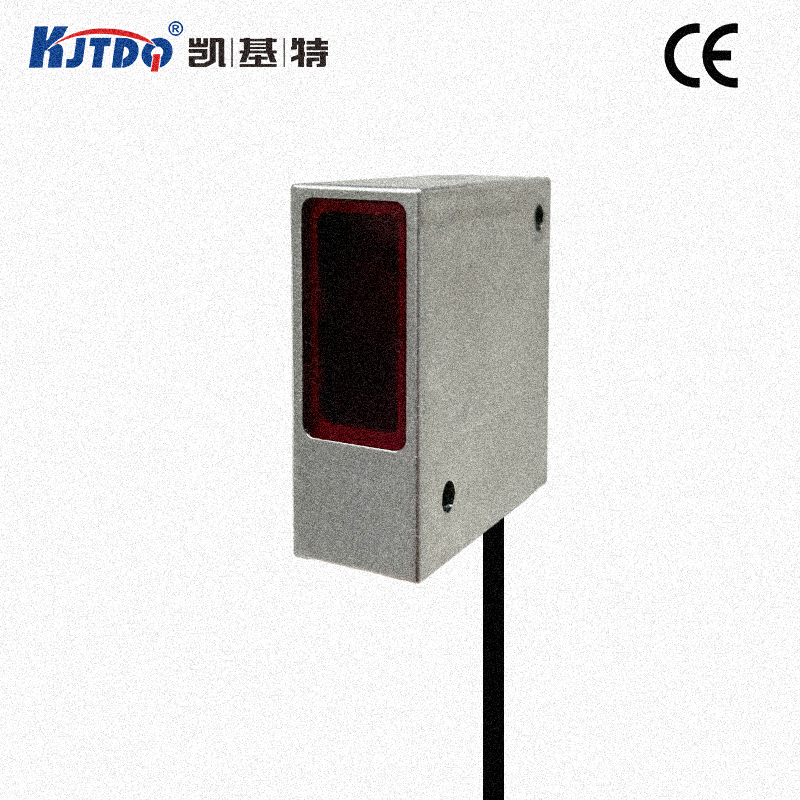
Choosing the right proximity sensor involves careful consideration of several factors: the material of the target object (ferrous metal, non-ferrous metal, plastic), the required sensing distance, the operating environment, output type (PNP/NPN analog or digital), and housing size. Inductive sensors are ideal for detecting metals, while capacitive sensors can handle non-metals. Ultrasonic and photoelectric sensors offer longer ranges for different applications. The KJTDQ series, known for its reliability and adaptability, often provides a optimal solution for complex production line challenges, offering various form factors and output configurations to meet specific needs.
In conclusion, the humble proximity sensor is a cornerstone of intelligent manufacturing. By providing reliable, non-contact detection, it enhances speed, ensures quality, safeguards assets, and provides valuable data. As production lines become smarter and more interconnected, the role of advanced proximity sensors like the KJTDQ will only grow in significance, forming the essential sensory layer that allows machines to perceive their environment and operate with unmatched efficiency and intelligence. Investing in the right sensing technology is not merely an operational upgrade; it is a strategic move towards building a more resilient, productive, and competitive manufacturing enterprise.