check

check

check

check

check

check
In the highly regulated and demanding world of food processing, maintaining the highest standards of hygiene, safety, and operational efficiency is non-negotiable. Traditional mechanical switches and contact-based sensors often fall short, posing risks of contamination, wear, and maintenance downtime. This is where the advanced Proximity Sensor for Food Processing steps in, revolutionizing how modern facilities monitor and control their production lines. Unlike conventional methods, these sensors provide non-contact detection, ensuring a cleaner, more reliable, and automated environment.
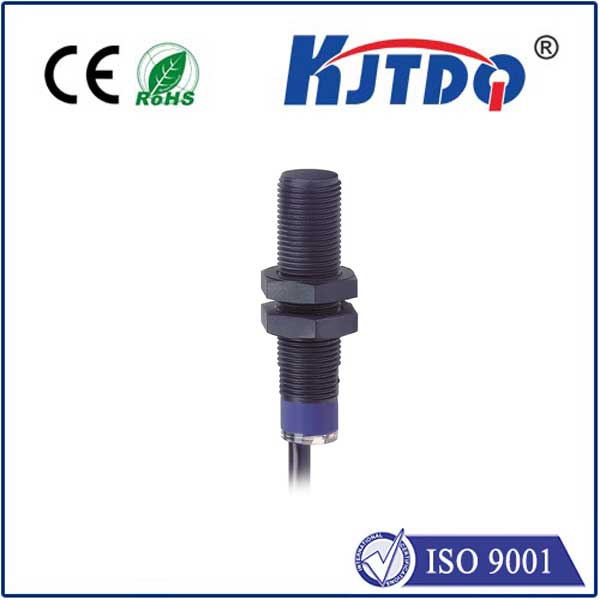
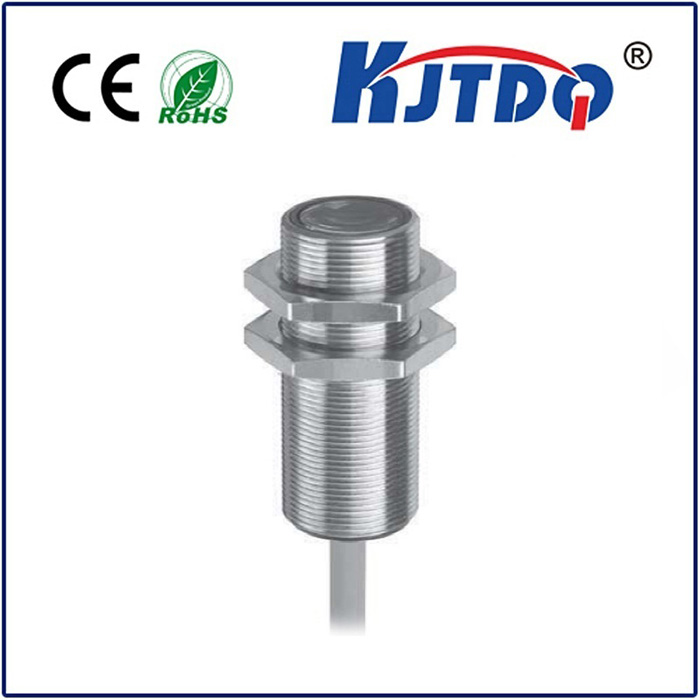
The core function of a proximity sensor in this sector is to detect the presence or absence of objects—be it packaging, containers, ingredients on conveyor belts, or the position of machinery components—without any physical contact. This is achieved through various technologies, with inductive and capacitive sensors being the most prevalent. Inductive sensors are ideal for detecting metallic objects, such as stainless steel tanks or tools, while capacitive sensors can detect both metallic and non-metallic materials, including liquids, plastics, and food products themselves. This versatility is crucial in a diverse processing environment.
One of the paramount advantages is the significant enhancement in hygiene. In food processing, preventing bacterial growth and cross-contamination is critical. Contact sensors, with their moving parts and crevices, can harbor food particles and moisture, becoming breeding grounds for pathogens. Proximity sensors, with their smooth, sealed housings often made from FDA-compliant materials like stainless steel (e.g., 316L) or high-grade plastics, are easy to clean and sanitize. They withstand frequent wash-downs with high-pressure water, steam, and aggressive cleaning chemicals, meeting stringent standards like IP69K for water and dust resistance. This design drastically reduces the risk of product contamination, safeguarding public health.
Operational efficiency receives a substantial boost from these intelligent devices. By enabling precise, non-contact detection, they facilitate seamless automation. For instance, sensors can accurately count bottles on a filling line, verify the presence of lids on jars, or position ingredients for robotic packaging. This precision minimizes product waste, prevents jams, and ensures consistent throughput. Furthermore, the lack of mechanical parts means there is no physical wear from repeated contact, leading to dramatically reduced maintenance requirements and unplanned downtime. Sensors with advanced diagnostics can even communicate their status to control systems, enabling predictive maintenance and further optimizing production uptime.
Safety for both personnel and equipment is another critical benefit. The non-contact nature eliminates the risk of physical damage to products or packaging that can occur with limit switches. It also enhances machine safety by reliably detecting guard positions or the presence of operators in hazardous zones, contributing to a safer workplace. Moreover, their fast response times and high switching frequencies allow for precise control in high-speed applications, ensuring processes run smoothly without bottlenecks.
When selecting a Proximity Sensor for Food Processing, several key specifications must be considered. The housing material must be corrosion-resistant and suitable for direct or indirect food contact. The ingress protection rating should be at least IP67 for general areas and IP69K for zones requiring intensive cleaning. The sensing range and technology (inductive vs. capacitive) must match the specific application, whether detecting a metal can or a transparent plastic film. Compatibility with programmable logic controllers (PLCs) and industrial networks is also essential for integration into a smart factory ecosystem.
In conclusion, the integration of specialized proximity sensors is no longer a luxury but a necessity in the competitive and safety-conscious food processing industry. They are pivotal in building a hygienic, efficient, and intelligent production facility. By eliminating contamination vectors, boosting automation reliability, and cutting maintenance costs, these sensors deliver a compelling return on investment. As technology advances, we can expect even smarter sensors with enhanced connectivity and data analytics capabilities, further driving the industry toward unparalleled levels of quality and productivity. For any operation aiming to excel, investing in high-quality proximity sensing technology is a decisive step toward a safer, cleaner, and more profitable future.