check

check

check

check

check

check
In the world of industrial automation and smart electronics, the demand for smaller, more precise, and reliable components is ever-growing. Among these, the Mini Proximity Sensor stands out as a critical innovation, enabling machines and devices to detect the presence or absence of objects without physical contact. This guide delves into the fundamentals, applications, and benefits of Mini Proximity Sensors, offering insights for engineers, designers, and tech enthusiasts seeking to enhance their projects with cutting-edge sensing technology.
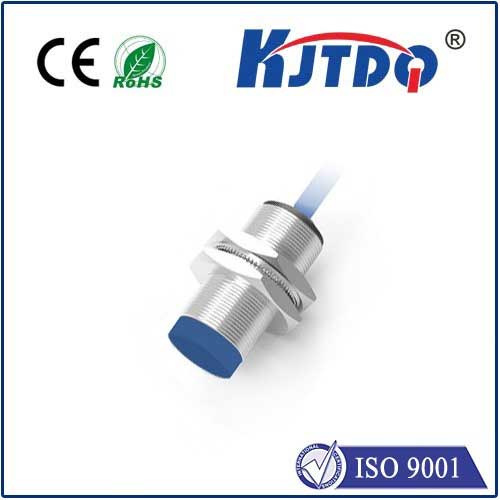
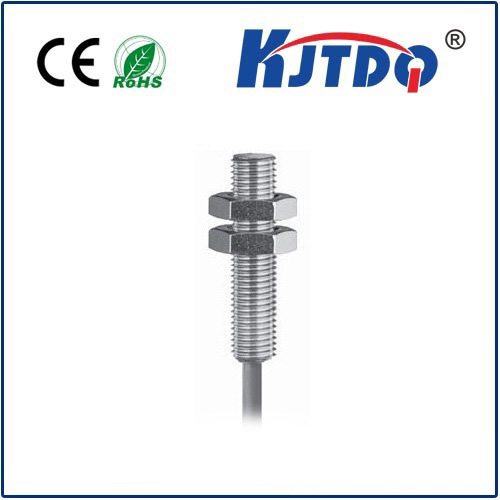
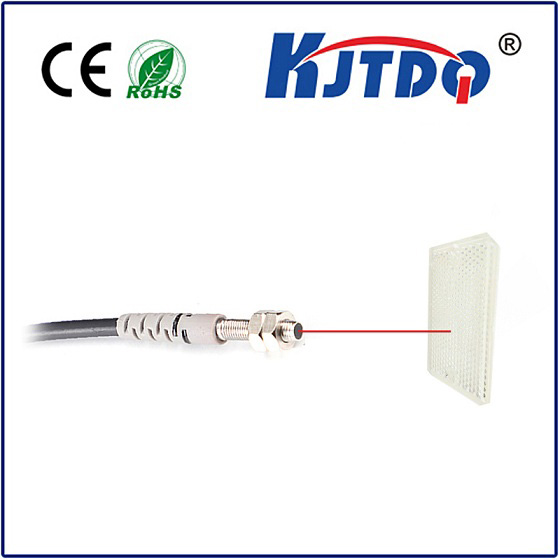
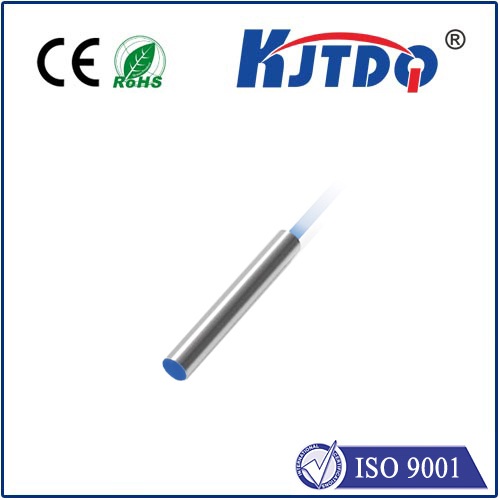
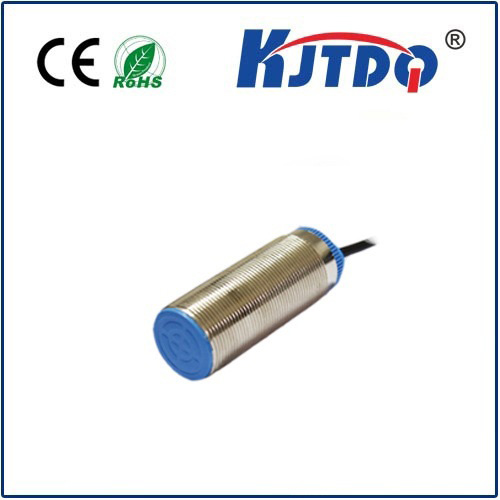
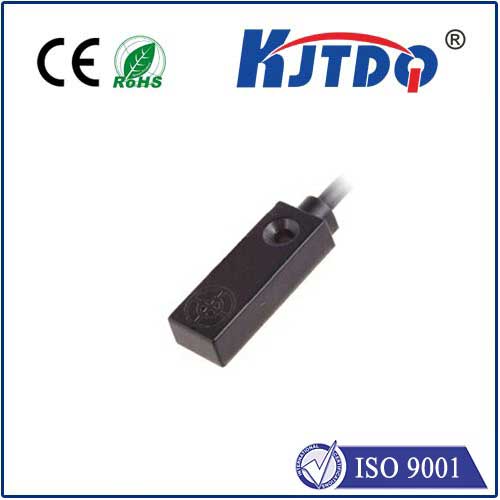
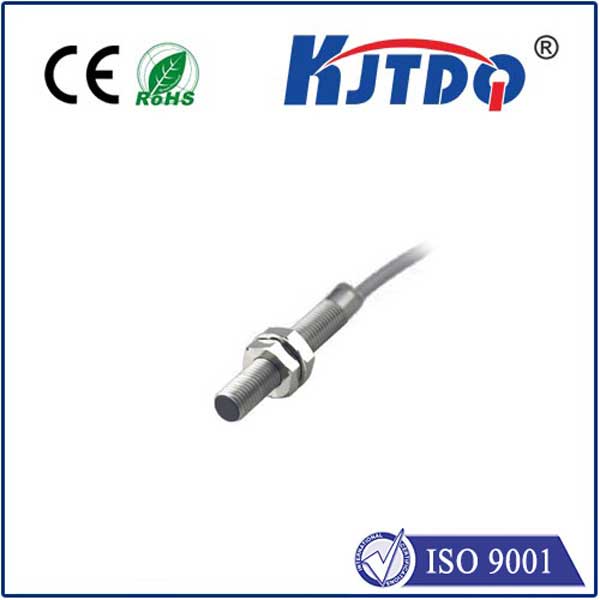
Mini Proximity Sensors are compact devices designed to detect nearby objects through electromagnetic fields, capacitive changes, or infrared signals. Their small form factor, often just a few millimeters in size, allows integration into tight spaces where traditional sensors cannot fit. Despite their miniature dimensions, these sensors deliver high accuracy and fast response times, making them ideal for applications requiring precise positioning or object counting. Common types include inductive sensors for metal detection, capacitive sensors for non-metallic materials, and photoelectric sensors for various surfaces.
The versatility of Mini Proximity Sensors drives their adoption across diverse industries. In manufacturing, they are used in assembly lines to monitor part placement, ensure quality control, and prevent jams in machinery. Robotics relies on these sensors for obstacle avoidance and precise movement control, enabling autonomous robots to navigate complex environments safely. Consumer electronics, such as smartphones and wearables, incorporate them for features like screen activation or gesture recognition. Additionally, automotive systems utilize Mini Proximity Sensors for parking assistance, safety mechanisms, and smart interior controls, enhancing both functionality and user experience.
Key advantages of Mini Proximity Sensors include their durability and low maintenance needs. Since they operate without physical contact, there is no wear and tear from mechanical parts, leading to longer lifespans and reduced downtime. They are also resistant to environmental factors like dust, moisture, and temperature fluctuations, ensuring consistent performance in harsh conditions. Energy efficiency is another benefit, as many models consume minimal power, making them suitable for battery-operated devices. Furthermore, their easy installation and compatibility with various interfaces, such as digital outputs or IoT networks, simplify integration into existing systems.
When selecting a Mini Proximity Sensor, consider factors like sensing range, material compatibility, and output type. For instance, inductive sensors typically have shorter ranges but excel in metal detection, while capacitive sensors offer broader applicability but may require calibration for specific materials. It's also essential to evaluate the operating voltage and environmental ratings to match your application's requirements. Leading manufacturers provide detailed specifications and support to help users choose the right model, ensuring optimal performance and cost-effectiveness.
In summary, Mini Proximity Sensors represent a pivotal advancement in sensing technology, combining compact design with robust functionality. As industries continue to embrace automation and smart solutions, these sensors will play an increasingly vital role in improving efficiency, safety, and innovation. By understanding their principles and applications, professionals can leverage Mini Proximity Sensors to drive progress in their fields, from factory floors to everyday gadgets.