check

check

check

check

check

check
In the intricate world of industrial automation and smart systems, the ability to detect an object's presence or precise position without physical contact is not just a convenience—it's a fundamental requirement for efficiency, safety, and reliability. This is where the proximity sensor for position detection becomes an indispensable component. Unlike traditional mechanical switches that wear out over time, these sophisticated electronic devices offer a non-contact solution, revolutionizing how machines interact with their environment.
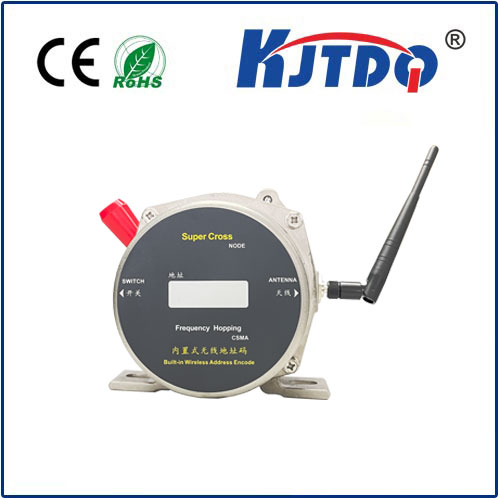
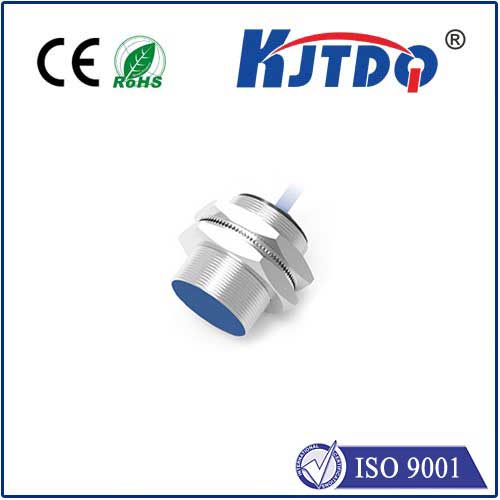
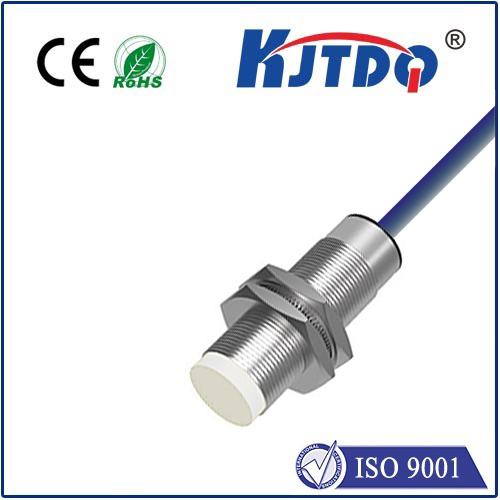
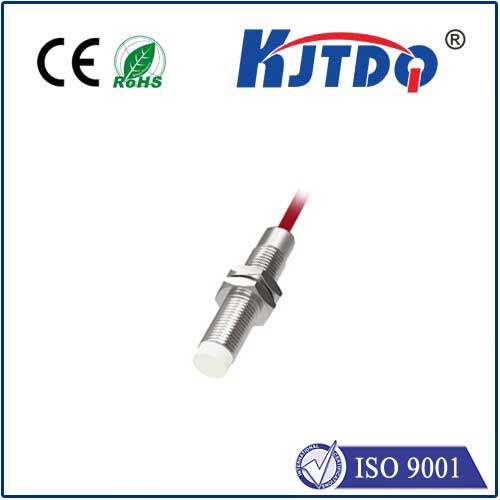
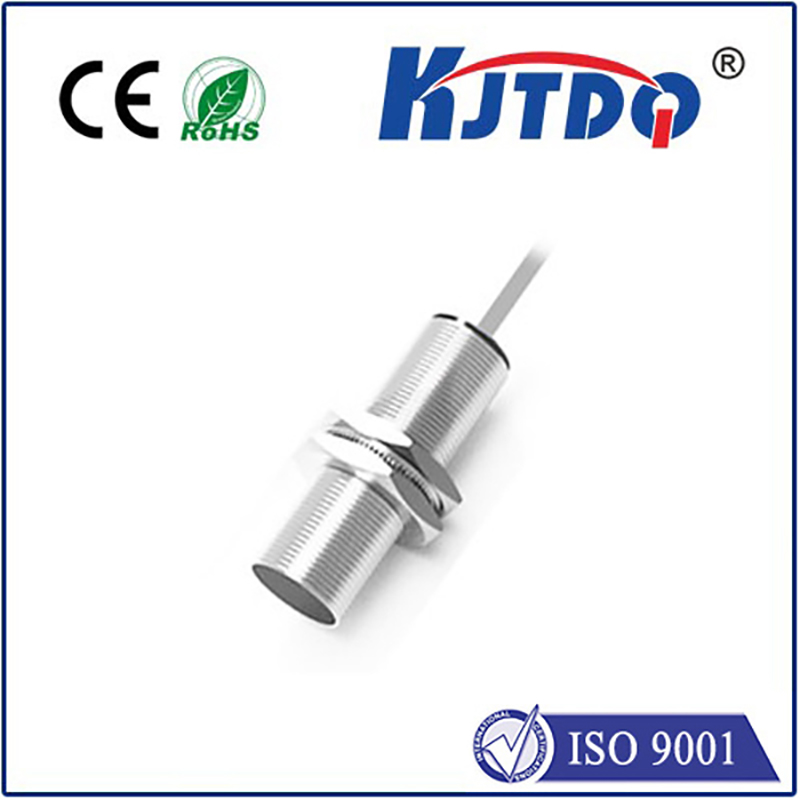
At its core, a proximity sensor for position detection operates by emitting an electromagnetic field or a beam of electromagnetic radiation, typically infrared light. When a target object enters this field, it causes a change in the signal. The sensor detects this disturbance and converts it into an electrical signal that can be interpreted by a control system, such as a PLC (Programmable Logic Controller). This seamless process allows for the real-time monitoring of an object's position, enabling precise control over machinery movements. Common technologies employed include inductive sensors for detecting metallic objects, capacitive sensors for non-metallic materials, and photoelectric sensors using light beams.
The applications are vast and critical across numerous sectors. In automotive assembly lines, these sensors ensure robotic arms weld components at the exact correct location. In packaging machinery, they verify that products are correctly positioned for labeling or sealing, preventing costly jams and waste. Within the realm of material handling, proximity sensors monitor the position of goods on conveyor belts, facilitating automated sorting and routing. Even in everyday consumer electronics, such as smartphones and tablets, miniature proximity sensors detect when the device is near a user's face during a call, turning off the display to save power and prevent accidental touch inputs.
The advantages of implementing a high-quality proximity sensor for position detection are multifaceted. Firstly, they offer exceptional durability. With no moving parts to make physical contact, they suffer minimal wear and tear, leading to a significantly longer operational lifespan and reduced maintenance costs compared to mechanical limit switches. Secondly, they provide high-speed response. The detection and signal output occur in milliseconds, which is crucial for high-speed production environments where every fraction of a second counts. Thirdly, they ensure remarkable accuracy and repeatability, capable of detecting minute positional changes, which is essential for tasks requiring micron-level precision. Furthermore, their ability to function reliably in harsh conditions—resistant to dust, moisture, oils, and vibrations—makes them suitable for challenging industrial settings.
When selecting a proximity sensor for a specific position detection task, several key factors must be considered. The sensing range, or the maximum distance at which the sensor can reliably detect the target, is paramount. The nature of the target material (metal, plastic, liquid) dictates whether an inductive, capacitive, or photoelectric sensor is appropriate. Environmental conditions like temperature extremes, presence of contaminants, and potential electrical interference also guide the selection process. Finally, the output type (e.g., NPN, PNP, analog, or IO-Link) must be compatible with the existing control system architecture.
Looking ahead, the integration of proximity sensors with Industrial Internet of Things (IIoT) platforms is setting a new standard. Modern sensors with smart capabilities can communicate not just binary "on/off" signals but also diagnostic data about their health and performance. This facilitates predictive maintenance, where potential failures can be anticipated and addressed before they cause downtime, pushing operational efficiency to new heights. The humble proximity sensor has evolved from a simple switch to a vital data node in the connected factory.
In conclusion, the proximity sensor for position detection is a cornerstone of modern automated systems. Its non-contact principle delivers the reliability, speed, and precision that contemporary manufacturing and technology demand. From ensuring the smooth operation of a massive production plant to enabling the smart features in a handheld device, these sensors silently and efficiently bridge the gap between the physical and digital worlds, driving innovation and productivity forward.