check

check

check

check

check

check
In the world of industrial automation and machinery, precision and reliability are non-negotiable. At the heart of countless systems ensuring seamless operation lies a critical component: the M18 proximity sensor. This compact, cylindrical device has become an industry standard for non-contact object detection, offering a robust solution for a myriad of applications. But what exactly makes the M18 Proximity Sensor so indispensable, and how can you select the right one for your needs?
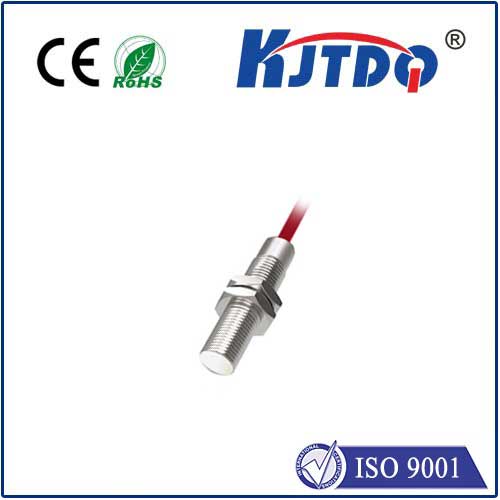
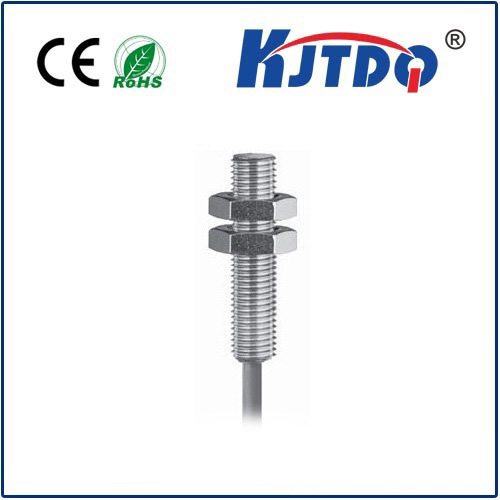
The M18 designation refers to its 18mm diameter threaded barrel housing. This standardized size allows for easy installation in a vast array of mounting brackets and fixtures, making it a versatile choice for engineers and system integrators. Unlike mechanical limit switches that require physical contact, proximity sensors detect the presence or absence of a metallic target (typically ferrous metals like steel or iron, depending on the type) without touching it. This non-contact operation eliminates mechanical wear and tear, significantly extending the sensor's service life and reducing maintenance downtime. The core technology inside an M18 sensor is usually based on one of two principles: inductive or capacitive sensing. Inductive sensors are the most common for metal detection. They generate an electromagnetic field. When a metallic object enters this field, it causes a change in the field's oscillation, which the sensor's circuitry detects and converts into a switching signal. This makes them perfect for counting metal parts on a conveyor, determining the position of a machine arm, or ensuring a safety door is closed. Capacitive M18 sensors, on the other hand, can detect both metallic and non-metallic materials like liquids, plastics, wood, or glass. They work by measuring changes in capacitance caused by the presence of any material that alters the electrostatic field around the sensor's face. This capability is invaluable in industries like packaging, food and beverage, or chemical processing where level detection of powders or liquids in non-metallic containers is required.
When specifying an M18 Proximity Sensor, several key parameters demand attention. Sensing distance is paramount. While standardized, the actual detectable range varies by model and target material. Always consult the manufacturer's datasheet for precise specifications. The type of output is another critical decision. Common outputs include NPN (sinking) and PNP (sourcing) transistor configurations, which are compatible with different programmable logic controller (PLC) inputs. Some advanced models offer analog outputs (4-20mA or 0-10V) for distance-proportional signaling or IO-Link for digital communication and advanced diagnostics. The housing material, typically nickel-plated brass or stainless steel, must be chosen to withstand the environmental conditions, such as exposure to coolants, oils, or washdowns in food-grade applications. Furthermore, consider the electrical connection style: pre-wired cables or quick-disconnect connectors offer different advantages for installation and serviceability.
The applications for M18 Proximity Sensors are virtually limitless across manufacturing and beyond. In automotive assembly lines, they ensure robotic welders are in the correct position. In material handling, they verify the presence of pallets and boxes. In machine tools, they provide end-position feedback for hydraulic cylinders and prevent collisions. Their sealed designs allow them to function reliably in harsh environments where dust, moisture, or vibration would cripple other components. The benefits are clear: enhanced machine safety, improved process accuracy, reduced product damage, and overall higher system efficiency and uptime. By providing a consistent, wear-free signal, they form the reliable sensory foundation upon which modern automated systems are built.
Selecting the optimal M18 Proximity Sensor requires a careful analysis of your specific application. Define the target material, the required sensing distance, the environmental challenges, and the necessary electrical interface. Partnering with a reputable supplier who provides detailed technical data and support can ensure a perfect match. Investing in a high-quality sensor from a trusted manufacturer is an investment in the reliability and productivity of your entire operation. The humble M18 sensor, though small in stature, plays an outsized role in keeping industry moving forward with precision and dependability.