check

check

check

check

check

check
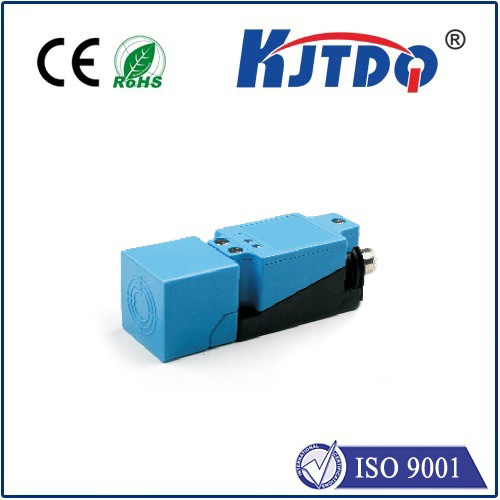
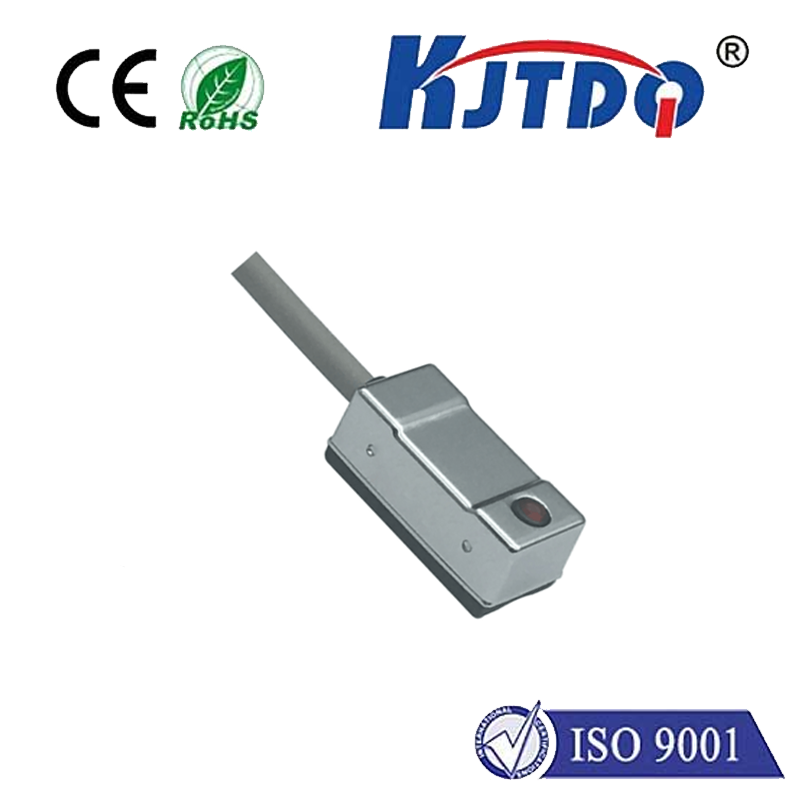
In today's rapidly evolving industrial landscape, the demand for accuracy, speed, and reliability has never been higher. At the heart of many automated and quality control processes lies a critical component: the industrial metal sensor. These sophisticated devices are indispensable for a wide range of applications, from automotive assembly lines and food packaging to recycling facilities and aerospace manufacturing. Their primary function is to detect the presence, absence, or position of metallic objects without physical contact, ensuring seamless operations and stringent quality standards.
The core technology behind most industrial metal sensors is based on electromagnetic principles. Inductive proximity sensors, for instance, generate an oscillating electromagnetic field. When a metallic object enters this field, it induces eddy currents within the metal, which in turn dampens the sensor's own oscillation. This change is detected and converted into an electrical signal that triggers an output switch. This method is exceptionally effective for detecting ferrous metals like iron and steel. For non-ferrous metals or more specific applications, capacitive or ultrasonic sensors might be employed, each with its own advantages depending on the target material and environmental conditions.
The benefits of integrating high-quality industrial metal sensors into production systems are substantial. First and foremost, they significantly enhance precision. In assembly processes, a sensor can verify the correct placement of a metal component, such as a bolt or gear, before the next manufacturing step proceeds. This prevents assembly errors that could lead to product failures or recalls. Secondly, they dramatically improve efficiency. By enabling high-speed detection and automated decision-making, sensors allow machinery to operate at optimal speeds without manual intervention for checks, reducing cycle times and increasing overall throughput.
Durability and resilience are non-negotiable features for any industrial-grade sensor. Manufacturing environments are often harsh, exposing equipment to factors like extreme temperatures, moisture, dust, oil, and mechanical vibrations. A robust industrial metal sensor is typically housed in a stainless steel or rugged polymer casing, with ratings such as IP67 or IP69K indicating high levels of protection against dust and water ingress. This rugged design ensures consistent performance and a long operational life, minimizing downtime and maintenance costs.
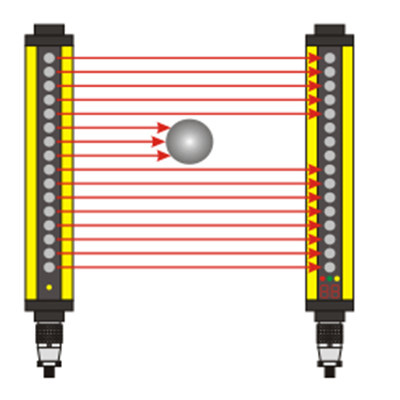
One of the most critical applications is in safety systems. Metal sensors can act as vital components in machine guarding and area monitoring. For example, they can detect if a safety gate is properly closed or if a worker's tool or clothing is in a dangerous zone, preventing the activation of heavy machinery and avoiding potential accidents. This proactive approach to safety protects both personnel and equipment.
Furthermore, in industries like food and pharmaceuticals, metal detection is paramount for consumer safety. Even the most advanced production lines can experience rare instances of metal contamination—perhaps a broken piece of machinery or a stray fastener. Industrial metal detectors, a specialized subset of sensors, are calibrated to identify ferrous, non-ferrous, and even stainless steel contaminants within products. Their sensitivity is finely tuned to reject products with even minute metal particles, ensuring that only safe goods reach the market and protecting the brand's reputation.
The advent of Industry 4.0 and the Industrial Internet of Things (IIoT) has further elevated the role of the metal sensor. Modern sensors are increasingly "smart," equipped with digital interfaces and communication protocols like IO-Link. This connectivity allows them to transmit not just a simple on/off signal, but rich diagnostic data such as operating temperature, signal strength, and device health to a central control system. Predictive maintenance becomes possible; a controller can alert technicians to a sensor whose performance is beginning to drift before it fails completely, preventing unplanned production stops.
Selecting the right industrial metal sensor requires careful consideration of several factors. The type of metal to be detected is primary—ferrous, non-ferrous, or stainless steel. The sensing distance, or range, needed for the application is another key specification. Environmental conditions, required output type (e.g., NPN or PNP), and the physical size and shape of the sensor must also align with the installation space and electrical system of the machinery.
In conclusion, the industrial metal sensor is far more than a simple switch. It is a foundational element of modern industrial automation, driving quality, efficiency, and safety. From ensuring a car's engine block is correctly positioned on a robotic line to guaranteeing a package of frozen vegetables is free from metallic debris, these devices work silently and reliably. As manufacturing becomes more connected and intelligent, the evolution of sensor technology will continue to be a key driver in building smarter, safer, and more productive factories for the future.