check

check

check

check

check

check
In the dynamic landscape of modern industrial automation, Automated Guided Vehicles (AGVs) have become indispensable for material handling, logistics, and manufacturing. The seamless and safe operation of these driverless vehicles hinges on a critical component: the proximity sensor. This technology acts as the electronic eyes of the AGV, enabling it to perceive its immediate surroundings, avoid collisions, and navigate complex environments with precision. The integration of advanced proximity sensors is not merely an add-on but a fundamental requirement for achieving high efficiency, reliability, and safety in automated workflows.
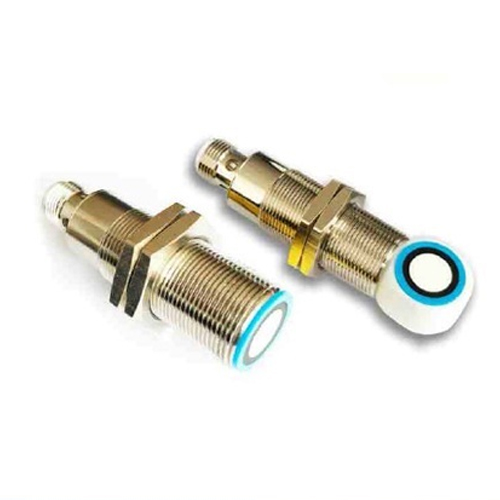
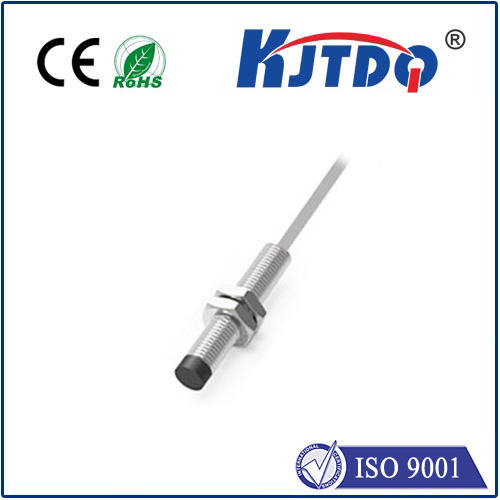
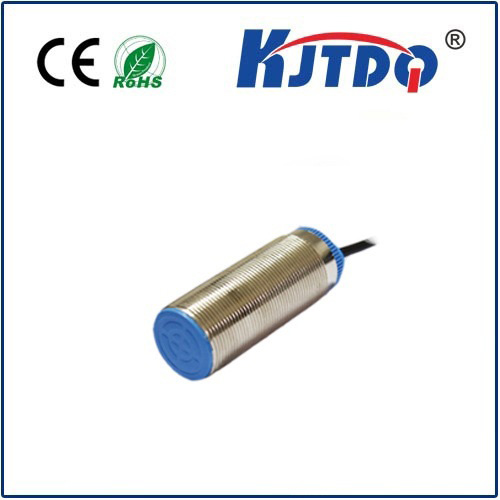
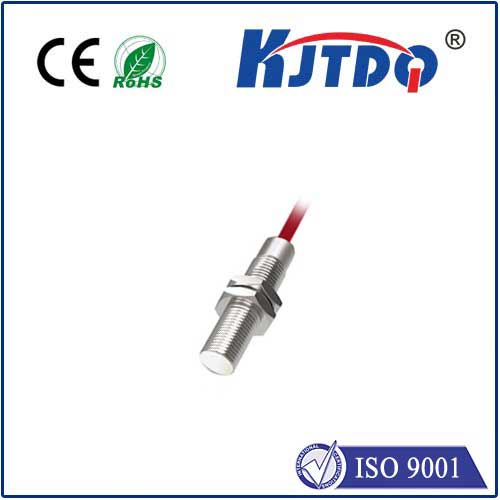
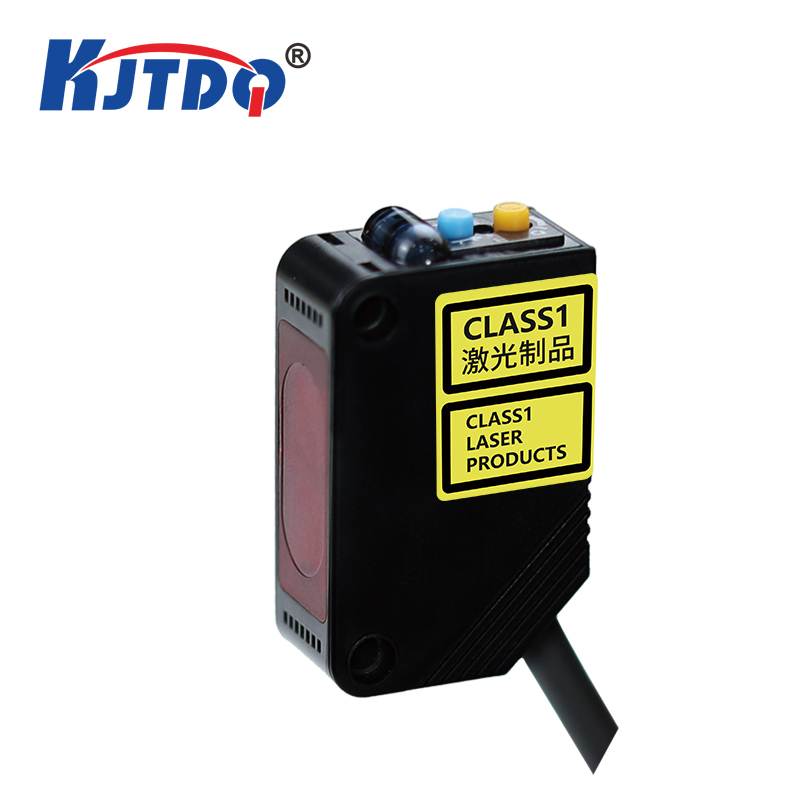
Proximity sensors for AGVs are designed to detect the presence or absence of objects within a specific range without any physical contact. They operate on various principles, including inductive, capacitive, ultrasonic, and photoelectric (optical) sensing. Each type offers distinct advantages tailored to different operational needs. Inductive sensors, for instance, are excellent for detecting metallic objects and are often used for precise docking or position verification. Capacitive sensors can detect a wider range of materials, including liquids and non-metals, making them suitable for diverse industrial settings. Ultrasonic sensors excel in measuring distance and detecting objects regardless of their color or material, proving invaluable for obstacle detection in varying light conditions. Photoelectric sensors, using infrared or laser light, provide high accuracy and long-range detection, crucial for path following and long-distance obstacle avoidance.
The primary role of these sensors in an AGV robot is multi-faceted. First and foremost is safety. AGVs often operate in shared spaces with human workers, other vehicles, and stationary infrastructure. Proximity sensors form the core of the AGV's safety system, creating a protective field around the vehicle. When an object enters this predefined zone, the sensor triggers an immediate response, such as slowing down, stopping, or altering the vehicle's path to prevent a collision. This capability is paramount for complying with international safety standards and ensuring a secure work environment.
Beyond safety, proximity sensors are vital for precise navigation and operational control. AGVs follow predefined paths, often using magnetic tape, lasers, or vision systems. Proximity sensors aid in accurate path tracking by detecting guide markers or correcting minor deviations. They enable precise stopping at loading and unloading stations, ensuring alignment with conveyor belts or racks. In complex tasks like pallet handling or forklift AGV operations, sensors help in accurately locating and engaging with loads, preventing damage to both the goods and the equipment.
The evolution of sensor technology has led to the development of more sophisticated solutions like LiDAR (Light Detection and Ranging) and 3D vision systems, which offer detailed environmental mapping. However, traditional proximity sensors remain crucial for close-range, real-time detection due to their fast response times, robustness, and cost-effectiveness. Modern AGVs often employ a sensor fusion approach, combining multiple sensor types to create a comprehensive and redundant perception system. This layered strategy enhances overall system reliability; if one sensor fails or is obstructed, others can maintain situational awareness.
Selecting the right proximity sensor for an AGV application requires careful consideration of several factors. The operating environment is key—factors like dust, moisture, vibration, and electromagnetic interference can affect sensor performance. The required detection range, the material of the target objects, the necessary response speed, and the physical size of the sensor must all align with the AGV's design and task requirements. Furthermore, ease of integration with the AGV's central control system and the simplicity of calibration and maintenance are practical concerns that impact long-term operational efficiency.
In conclusion, the proximity sensor is a cornerstone technology for the AGV robot, directly influencing its intelligence, safety, and productivity. As industries continue to embrace Industry 4.0 and smart factory concepts, the demand for more agile, safe, and efficient AGVs will grow. This, in turn, drives innovation in proximity sensing, leading to sensors that are more accurate, durable, and intelligent. The ongoing refinement of this essential component ensures that AGV robots will continue to be reliable partners in automating the material flow, paving the way for more connected and efficient industrial operations worldwide.