check

check

check

check

check

check
In the world of industrial automation and machine control, precision and reliability are non-negotiable. Among the myriad of components that ensure seamless operation, the 3 wire proximity sensor stands out as a fundamental yet powerful device. This guide delves into the core functionality, advantages, and critical applications of this essential sensor, explaining why it remains a preferred choice for engineers and system integrators worldwide.
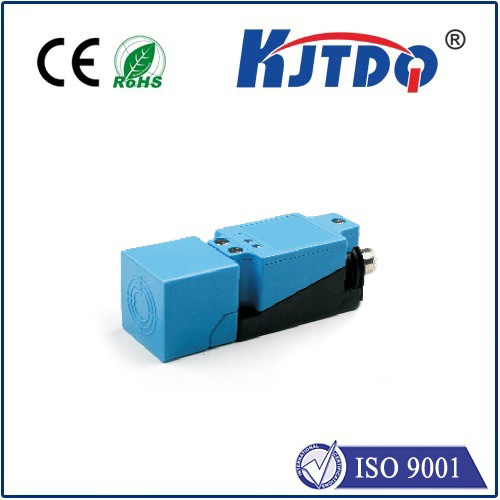
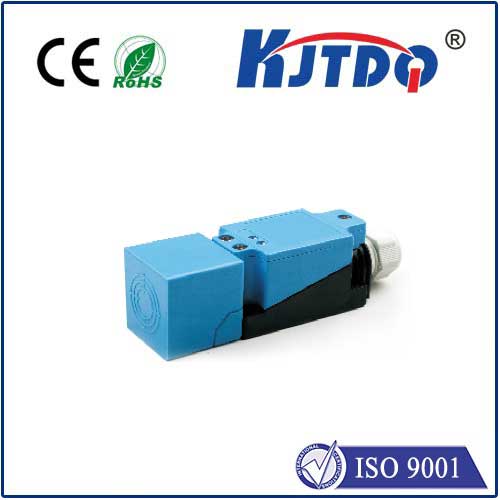
Unlike mechanical limit switches, a 3 wire proximity sensor operates without physical contact. It detects the presence or absence of a metallic target—typically ferrous metals like steel or iron, and in some models, non-ferrous metals—by generating an electromagnetic field. When a target enters this field, it causes a change in the sensor's oscillation, which is then converted into a clean electrical output signal. The "3 wire" designation refers to its wiring configuration: one wire for power supply (typically +V, often 10-30V DC), one wire for ground (0V), and one wire that carries the output signal. This output can be either NPN (sinking) or PNP (sourcing), providing flexibility for integration into different control system architectures, such as PLCs (Programmable Logic Controllers).
The primary advantage of this three-wire design is its simplicity and self-contained nature. Compared to 2-wire sensors that are wired in series with the load, 3-wire sensors offer superior performance. They generally have lower leakage current, allowing for more precise control and the ability to drive smaller loads directly. Their switching characteristics, including response time and repeat accuracy, are often superior, making them ideal for high-speed counting or precise positioning tasks. Furthermore, they provide a stable output voltage that is very close to the supply voltage, ensuring a strong and reliable signal for the controller.
Durability is another hallmark. With no moving parts to wear out, these sensors are exceptionally resistant to vibration, shock, and contamination from oil, dust, or coolant. This makes them perfectly suited for harsh industrial environments like automotive assembly lines, packaging machinery, metalworking CNC machines, and material handling systems. Common applications include detecting the position of a robotic arm, counting products on a conveyor belt, verifying the presence of a part before a machining operation, or serving as a safety interlock.
When selecting a 3 wire proximity sensor, several key specifications must be considered. Sensing range, the maximum distance at which it can reliably detect a standard target, is crucial. The housing material, such as nickel-plated brass or stainless steel, determines its environmental resistance. Factors like output type (NPN/PNP), normally open (NO) or normally closed (NC) operation, and connection style (cable or connector) must match the existing control system. Proper installation is also vital; ensuring correct polarity, maintaining the recommended gap from metal mounting surfaces, and protecting the sensor from physical damage are essential for optimal performance and longevity.
In summary, the 3 wire proximity sensor is a cornerstone of modern industrial sensing. Its contactless operation, robust construction, and reliable electrical interface provide a critical link between the physical movement of machinery and the digital logic of control systems. By offering a perfect blend of simplicity, accuracy, and resilience, it empowers automation systems to achieve higher efficiency, safety, and productivity. For any application demanding dependable non-contact detection of metallic objects, the 3 wire proximity sensor continues to be an indispensable and trusted solution.