check

check

check

check

check

check
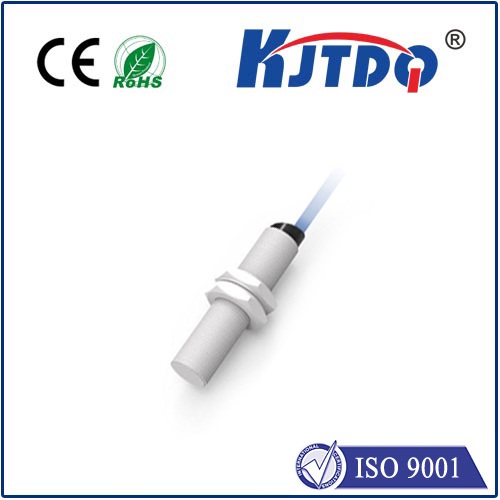
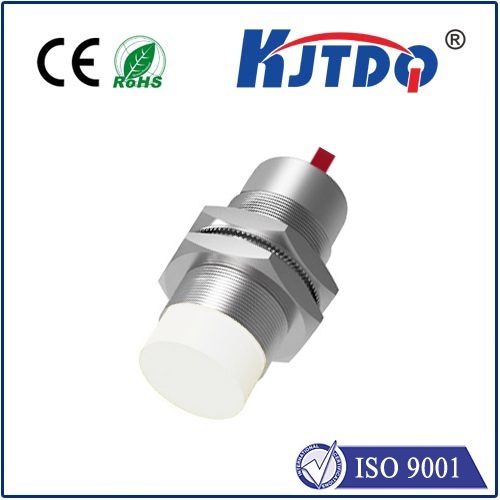
In the realm of industrial automation, precision and reliability are paramount. The M30 Proximity Sensor stands as a critical component, designed to detect the presence or absence of objects without physical contact. This non-contact detection capability is essential in environments where mechanical wear, contamination, or high-speed operations are concerns. The M30 designation refers to its standardized 30-millimeter threaded housing, a common form factor that ensures easy integration into existing machinery and control systems across various sectors, including manufacturing, packaging, and material handling.
The operational principle of the M30 Proximity Sensor typically relies on electromagnetic fields or capacitive sensing. Inductive variants, for instance, generate an oscillating electromagnetic field. When a metallic object enters this field, it induces eddy currents that dampen the oscillation, triggering the sensor's switch. This allows for the detection of metals like steel, aluminum, or copper with high repeat accuracy. Capacitive models, on the other hand, can detect both metallic and non-metallic materials, such as plastics, liquids, or wood, by sensing changes in capacitance caused by the target object. This versatility makes the M30 sensor adaptable to diverse application needs.
Key performance characteristics of high-quality M30 Proximity Sensors include a robust sensing range, often up to 15 millimeters for inductive types, and immunity to environmental challenges. Many models feature IP67 or higher ingress protection ratings, meaning they are dust-tight and can withstand temporary immersion in water. This durability is crucial for operation in harsh conditions involving coolant splashes, oil, vibrations, and temperature fluctuations. Furthermore, these sensors are built with short-circuit and reverse polarity protection, enhancing system longevity and reducing maintenance downtime.
The integration of M30 Proximity Sensors into automated systems significantly boosts efficiency and safety. On production lines, they are used for precise positioning control, object counting, and end-of-travel detection for robotic arms or conveyor belts. In safety-critical applications, they can serve as part of interlock systems to ensure machine guards are properly closed before operation begins, preventing accidents. Their fast response time, often in the microsecond range, supports high-speed processes without compromising accuracy.
When selecting an M30 Proximity Sensor, engineers must consider factors such as the target material, required sensing distance, environmental conditions, output type (e.g., NPN, PNP, or analog), and connection method. Proper installation is also vital; maintaining the recommended mounting distance from metal surfaces prevents false triggering. Regular calibration and checks help maintain optimal performance over time.
Advancements in sensor technology continue to refine the M30 Proximity Sensor. Modern iterations may incorporate IO-Link communication for digital data exchange, enabling predictive maintenance by monitoring parameters like temperature or switch cycles. This connectivity aligns with Industry 4.0 initiatives, facilitating smarter, more responsive automation networks.
In summary, the M30 Proximity Sensor is a foundational element in modern industrial control. Its ability to provide reliable, non-contact detection contributes to streamlined operations, enhanced product quality, and improved workplace safety. By understanding its functionalities and proper implementation, businesses can leverage this tool to achieve greater automation resilience and productivity.