check

check

check

check

check

check
In the world of industrial automation, consumer electronics, and IoT devices, the proximity sensor is a fundamental component. Its ability to detect the presence or absence of an object without physical contact makes it indispensable. However, when sourcing these sensors, the proximity sensor price can vary dramatically, often leaving buyers confused. Understanding the factors behind this cost variation is crucial for making an informed and economical purchase.
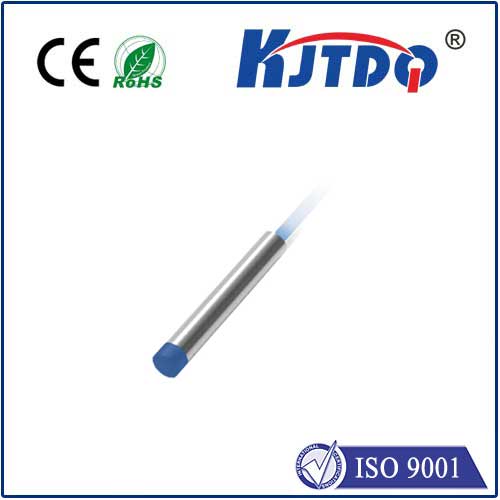
The price of a proximity sensor is not a single figure but a spectrum influenced by multiple technical and market factors. Firstly, the sensing technology itself is a primary cost driver. Inductive sensors, ideal for detecting metallic objects, are generally more affordable for standard industrial applications. Capacitive sensors, which can detect both metallic and non-metallic materials like liquids or plastics, often come at a higher price point due to their more complex circuitry. Ultrasonic and photoelectric sensors, offering longer ranges and different detection capabilities, typically command premium prices, especially in high-precision or harsh environment variants.
Secondly, performance specifications directly correlate with cost. Key parameters include sensing range, response speed, output type (e.g., NPN/PNP transistor, analog, IO-Link), and housing material. A sensor with a 20mm range will cost less than one with a 60mm range from the same series. Similarly, sensors rated IP67 or IP69K for dust and water resistance, or those made from stainless steel for corrosive environments, are significantly more expensive than basic plastic-housed models. The inclusion of advanced features like temperature compensation, built-in diagnostics, or networking capabilities (IO-Link) also adds to the price.
Brand reputation and supply chain logistics are substantial external factors. Established brands like Omron, Sick, or Pepperl+Fuchs often price their sensors higher, reflecting years of R&D, proven reliability, and global service support. While their initial proximity sensor price is higher, the total cost of ownership might be lower due to reduced downtime. Conversely, generic or lesser-known brands offer competitive prices, which can be attractive for cost-sensitive or non-critical applications, though potential trade-offs in consistency and longevity should be considered. Order volume is another lever; bulk purchases from distributors or directly from manufacturers usually secure substantial unit price discounts.
So, how can you navigate this market smartly? The golden rule is to avoid both over-specifying and under-specifying. Carefully analyze your application's real needs. What material are you detecting? What is the required distance? What are the environmental conditions (temperature, moisture, contaminants)? Choosing a sensor that *just* meets these requirements, rather than one with excessive capabilities, is the most direct way to control cost.
Secondly, consider the total cost of integration, not just the unit price. A slightly more expensive sensor with easy mounting, standard connectors, and clear documentation can save hours of installation and troubleshooting time. For long-term projects or high-volume production, building a relationship with a reputable distributor can provide better pricing, technical support, and reliable supply. Finally, explore online marketplaces and compare quotes from multiple suppliers for standard models, but always verify the authenticity and warranty terms of the products.
In conclusion, the proximity sensor price is a function of technology, performance, brand, and volume. By thoroughly understanding application requirements and evaluating the total cost of ownership, buyers can make strategic decisions that balance budget constraints with performance and reliability needs, ensuring optimal value for their automation investments.