check

check

check

check

check

check
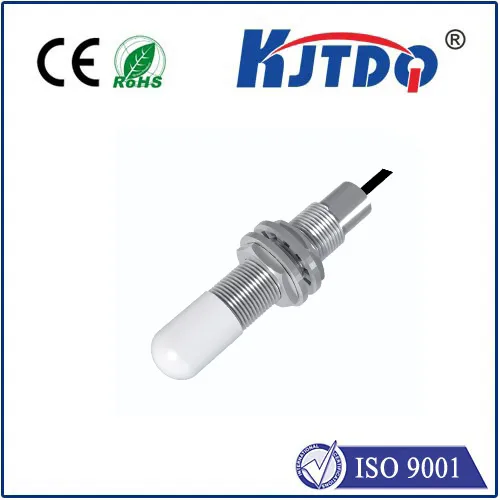
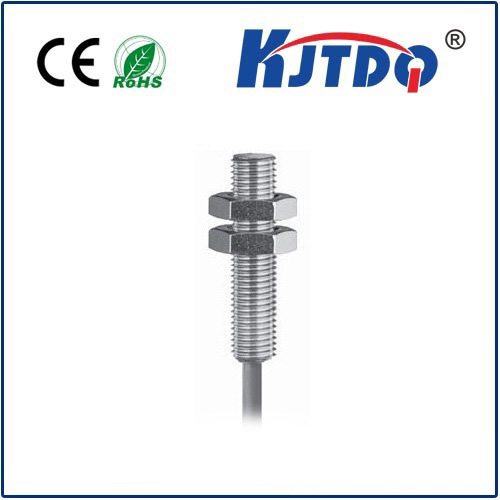
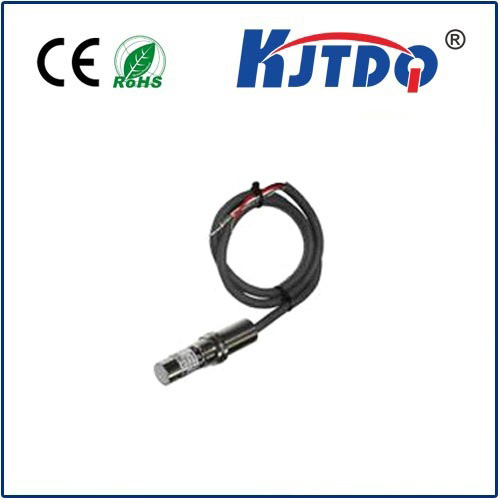
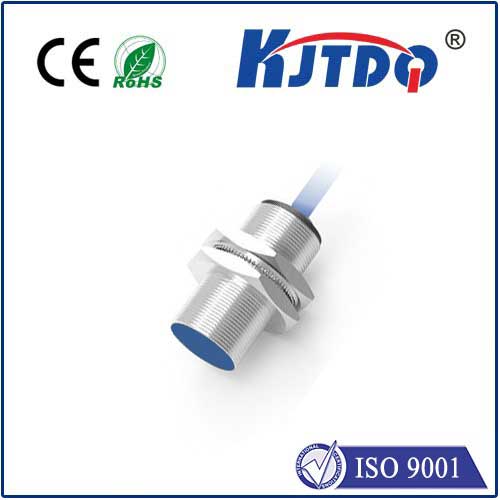
In the intricate world of industrial automation, precision and reliability are non-negotiable. Among the myriad of components that ensure seamless operation, the cylindrical proximity sensor stands out as a fundamental pillar. This robust device, often encased in a durable metal housing, is engineered to detect the presence or absence of an object without any physical contact. Its cylindrical form factor is not merely an aesthetic choice; it is a design optimized for easy installation in standard mounting holes, providing exceptional mechanical stability in harsh environments.
The core technology behind a cylindrical proximity sensor typically involves an electromagnetic field. When a metallic target enters this predefined field, it induces eddy currents, causing a change in the sensor's oscillation amplitude. This change is meticulously processed by the internal circuitry, triggering a clean, swift output signal. This principle allows for remarkably consistent detection of ferrous and, in many models, non-ferrous metals. The non-contact nature of this detection method eliminates mechanical wear and tear, granting these sensors an exceptionally long operational life, which translates directly into reduced maintenance costs and minimized downtime.
Modern cylindrical proximity sensors are marvels of engineering versatility. They are available in a range of sensing distances, from a few millimeters to several tens of millimeters, catering to diverse application needs. Key specifications such as shielded or unshielded designs offer further flexibility. Shielded sensors can be flush-mounted in metal without affecting their sensing range, while unshielded types offer a longer range but require careful installation planning. Output configurations are equally varied, including NPN, PNP, normally open (NO), and normally closed (NC) options, ensuring compatibility with virtually any programmable logic controller (PLC) or control system.
The application spectrum for these sensors is vast and critical. They are the unseen guardians on high-speed production lines, counting bottles, verifying cap placement, or confirming the position of robotic arms. In material handling, they detect the presence of pallets or boxes, ensuring smooth conveyor flow. Within machine tools, they serve as precise limit switches, safeguarding equipment by confirming the position of slides or tool changers. Their robust construction, often rated IP67 or higher, makes them impervious to dust, coolants, oils, and temporary immersion, allowing them to thrive in demanding settings like automotive manufacturing, food processing, and packaging plants.
Selecting the right cylindrical proximity sensor requires careful consideration of several parameters. The target material is paramount; standard sensors work best with steel, while special models are needed for aluminum, copper, or stainless steel. The required sensing distance and the sensor's diameter, which commonly ranges from M8 to M30, must align with the physical constraints of the application. Environmental factors such as temperature extremes, potential chemical exposure, and electrical noise interference must also be accounted for to ensure flawless performance.
Installation and wiring, while straightforward, demand attention to detail. Ensuring proper alignment between the sensor's sensing face and the target is crucial for achieving the rated sensing distance. Adequate clearance around the sensor prevents false triggers from surrounding metal. Following the manufacturer's guidelines for wiring, including correct polarity and load specifications, is essential to prevent damage and ensure operational safety. Regular functional checks, though rarely needed due to their durability, are a best practice for preventative maintenance.
In conclusion, the cylindrical proximity sensor is far more than a simple switch. It is a sophisticated, reliable, and indispensable component that forms the sensory backbone of modern industrial systems. Its ability to provide accurate, wear-free detection in compact and rugged packaging makes it a preferred choice for engineers worldwide. From ensuring product quality to protecting expensive machinery and enabling complex automated sequences, the cylindrical proximity sensor, exemplified by the KJTDQ series, continues to be a critical enabler of efficiency, safety, and productivity in the automated age.