check

check

check

check

check

check
In the intricate world of industrial automation and smart device design, the quest for reliable, non-contact detection is paramount. Among the myriad of solutions available, the M8 Proximity Sensor stands out as a cornerstone component for engineers and system integrators. This compact yet powerful device represents a significant leap in sensing technology, offering unparalleled accuracy and durability in demanding environments. Unlike traditional mechanical switches, the M8 sensor operates on the principle of electromagnetic field disturbance, allowing it to detect the presence or absence of metallic objects without any physical contact. This fundamental characteristic eliminates wear and tear, ensuring a remarkably long operational lifespan and minimal maintenance requirements.
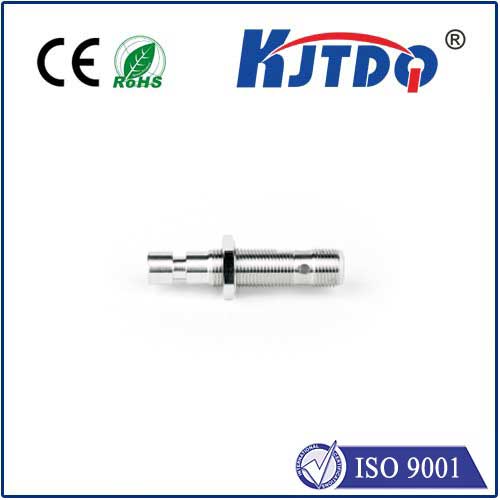
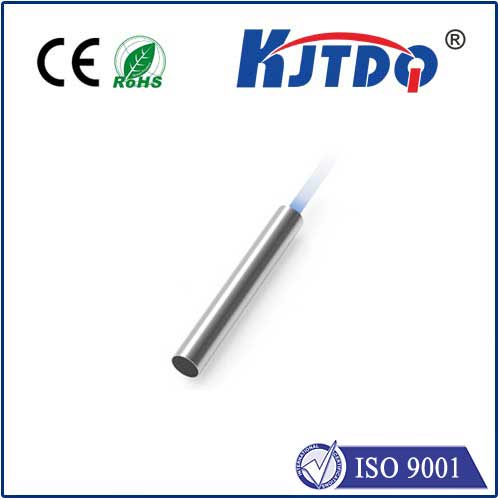
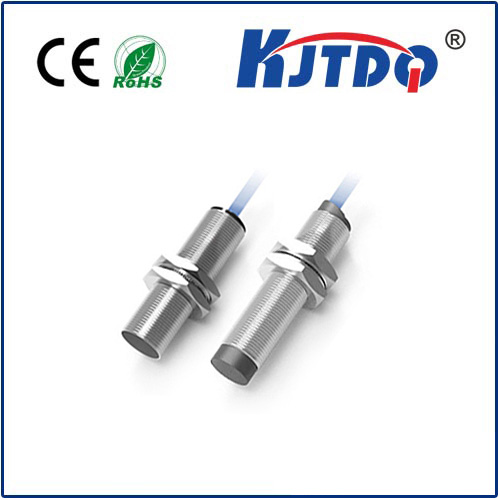
The defining feature of the M8 Proximity Sensor is its standardized 8mm cylindrical housing. This form factor is not arbitrary; it is engineered for optimal performance and ease of integration. The compact size allows for installation in space-constrained applications, from intricate robotic grippers to densely packed control panels. Despite its small stature, the sensor is built to withstand harsh conditions. Typically encased in robust materials like nickel-plated brass or stainless steel, M8 sensors boast high ingress protection ratings, making them resistant to dust, moisture, oils, and coolants commonly found in manufacturing settings. This ruggedness translates directly into reduced downtime and increased system reliability.
When selecting an M8 Proximity Sensor, understanding its key technical specifications is crucial. The sensing range, though typically short (often 1.5 to 2 mm for standard inductive models), is precisely calibrated for repeatable accuracy. The sensor's output is another critical consideration. Common configurations include NPN (sinking) and PNP (sourcing) transistor outputs, as well as analog voltage or current outputs (4-20mA) for distance-proportional measurement. The choice depends on the electrical interface of the controller, such as a PLC (Programmable Logic Controller). Furthermore, the type of target material matters. Standard inductive M8 sensors are designed for ferrous metals like steel and iron. For detecting non-ferrous metals, plastics, or liquids, capacitive M8 variants are employed, operating on a different principle of dielectric constant change.
The real-world applications of the M8 Proximity Sensor are vast and varied. On automated assembly lines, they perform critical tasks such as part verification, counting, and end-of-stroke detection for pneumatic cylinders. In packaging machinery, they ensure precise positioning of products on conveyors. Within the realm of consumer electronics and automotive manufacturing, these sensors contribute to quality control by verifying the correct placement of components. Their role extends beyond factory floors; they are integral to the safety interlocks on machinery doors, preventing operation when guards are open, thereby protecting personnel. The sensor's fast response time and high switching frequency make it indispensable in high-speed processes where milliseconds count.
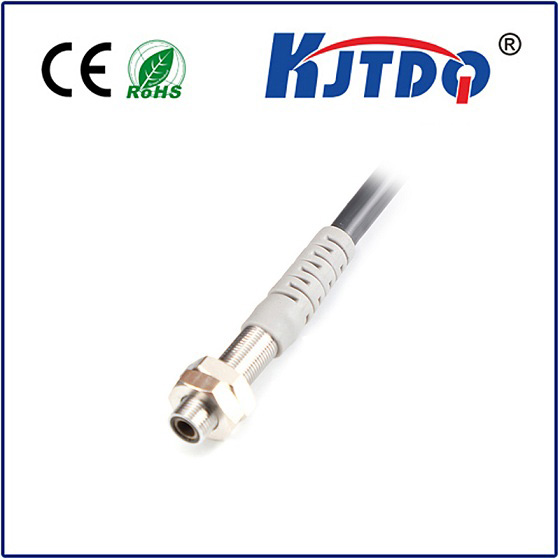
Installation and wiring are straightforward but require attention to detail for optimal function. The sensor must be mounted securely, with careful consideration given to the surrounding metallic environment to avoid false triggers from adjacent machinery or brackets. Most M8 sensors feature LED indicators that provide immediate visual feedback on the detection status, greatly simplifying setup and troubleshooting. For connectivity, the industry-standard M8 connector, often with a 3-pin or 4-pin configuration, ensures a quick, secure, and vibration-resistant connection to the system cabling. This plug-and-play capability significantly reduces installation time and complexity.
Looking ahead, the evolution of the M8 Proximity Sensor continues. Modern iterations incorporate advanced diagnostics and IO-Link communication capabilities. IO-Link transforms the simple sensor into an intelligent device, enabling parameter configuration, real-time process data monitoring, and predictive maintenance alerts directly through the control system. This digital layer adds immense value, allowing for finer process tuning and deeper insights into machine health. As Industry 4.0 and the Industrial Internet of Things (IIoT) mature, the humble M8 sensor is evolving from a discrete detection point into a smart node within a connected ecosystem.
In conclusion, the M8 Proximity Sensor is far more than just a simple switch. It is a meticulously engineered solution that balances size, robustness, and precision. Its widespread adoption across industries is a testament to its reliability and versatility. For anyone involved in designing, maintaining, or upgrading automated systems, a deep understanding of this component's capabilities and proper implementation is a fundamental step toward achieving efficient, safe, and intelligent operations. By selecting the correct model and integrating it thoughtfully, engineers can build a foundation of reliable data upon which entire automated processes depend.