check

check

check

check

check

check
In the rapidly evolving landscape of industrial automation and smart technology, the role of detection systems has become paramount. At the heart of many of these sophisticated systems lies a critical component: the proximity sensor. This technology, often designated under product codes like KJTDQ, serves as the unseen sentinel, enabling machines to perceive their environment without physical contact. The application of proximity sensors in detection systems represents a significant leap forward in efficiency, safety, and operational intelligence across numerous sectors.
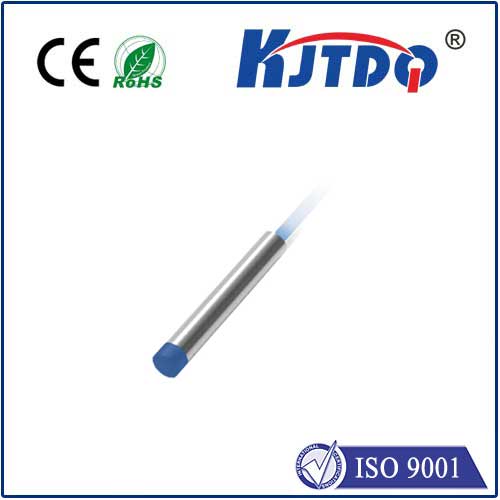
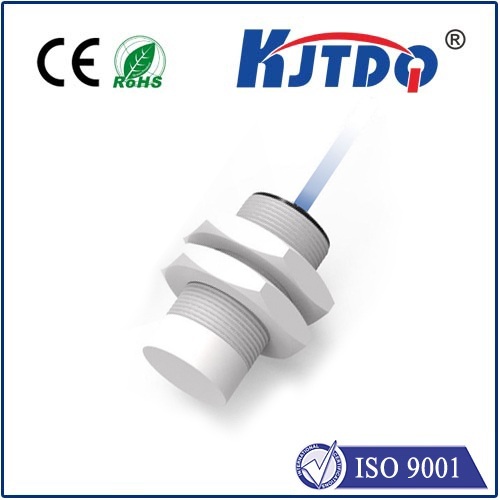
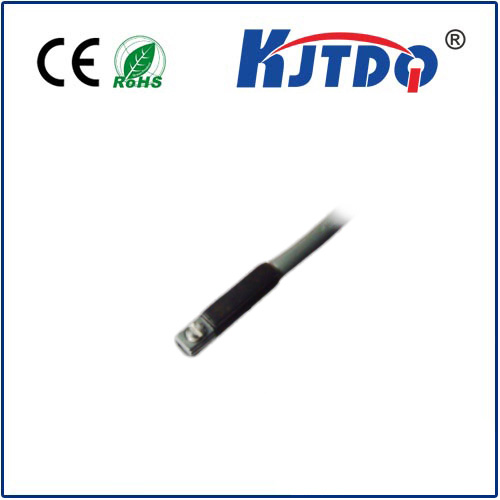
A proximity sensor is a device capable of detecting the presence or absence of nearby objects. It operates by emitting an electromagnetic field or a beam of electromagnetic radiation, such as infrared light, and then looking for changes in the field or return signal. The primary advantage is its non-contact nature, which eliminates mechanical wear and tear, allows for high-speed operation, and enables detection in harsh environments where physical touch is impractical or dangerous. Common types include inductive sensors for metallic objects, capacitive sensors for both metallic and non-metallic materials, and photoelectric sensors using light beams.
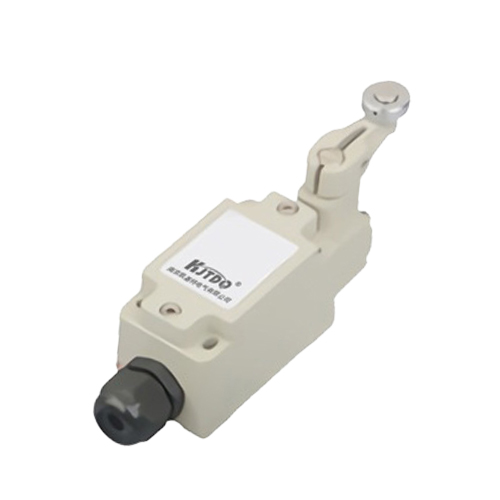
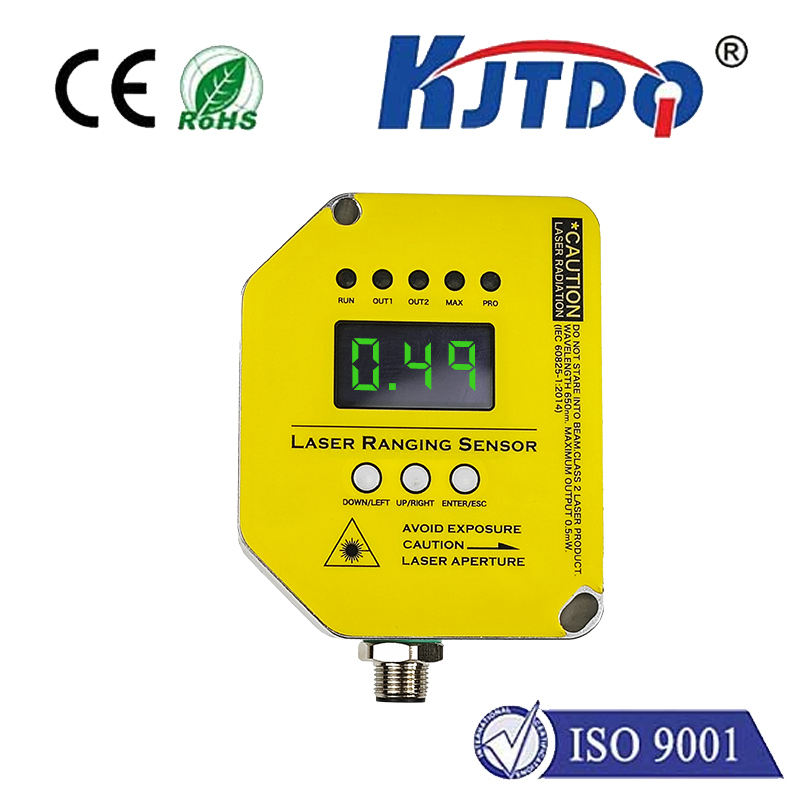
The integration of a high-quality proximity sensor, such as those in the KJTDQ series, into a detection system transforms its capabilities. In manufacturing assembly lines, these sensors are indispensable for precise object counting, position verification, and end-of-travel detection for robotic arms. They ensure that components are correctly aligned before a welding operation or verify the presence of a bottle cap before filling. This level of control minimizes errors, reduces waste, and maximizes throughput.
Beyond the factory floor, proximity sensors are vital in automotive applications. They form the core of parking assistance systems, detecting obstacles and providing audible or visual warnings to the driver. In modern vehicles, they contribute to advanced driver-assistance systems (ADAS), enhancing safety by monitoring blind spots. In the realm of consumer electronics, these sensors deactivate touchscreen displays when a phone is held to the ear, conserving battery life.
Safety and security systems heavily rely on proximity detection. Automated doors in commercial buildings use sensors to open safely for approaching personnel, especially when hands are full. In hazardous areas, such as around heavy machinery, safety light curtains—arrays of photoelectric sensors—create an invisible barrier that immediately halts equipment if breached, protecting workers from injury. Security systems employ them to detect unauthorized entry into restricted zones.
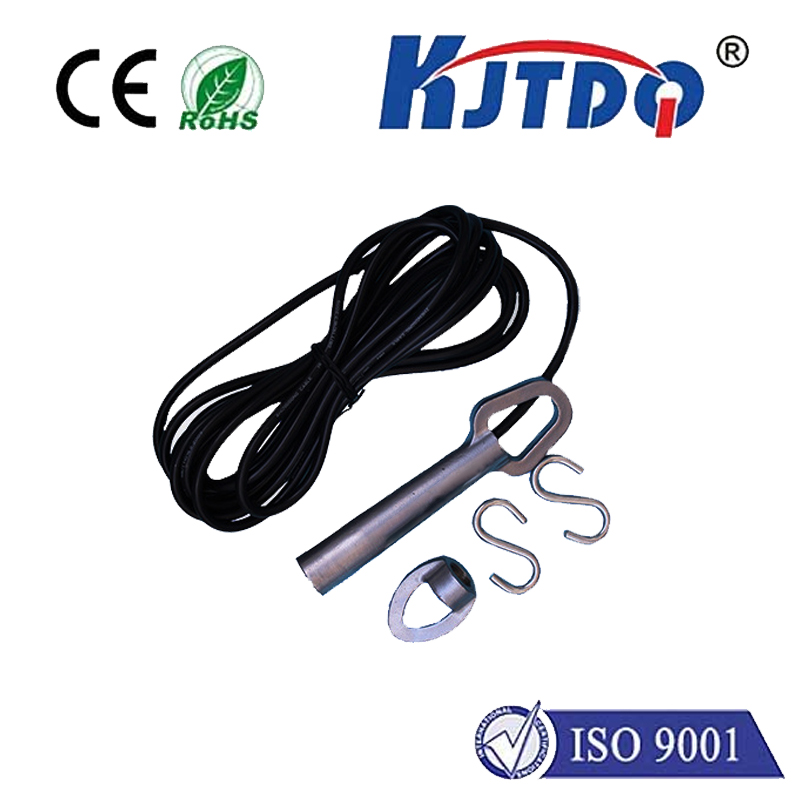
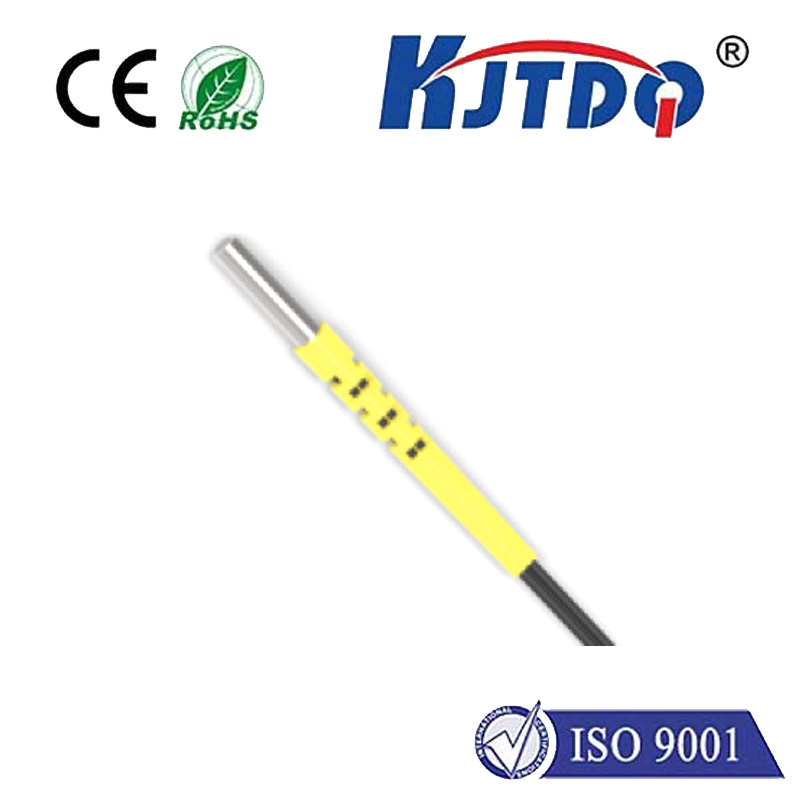
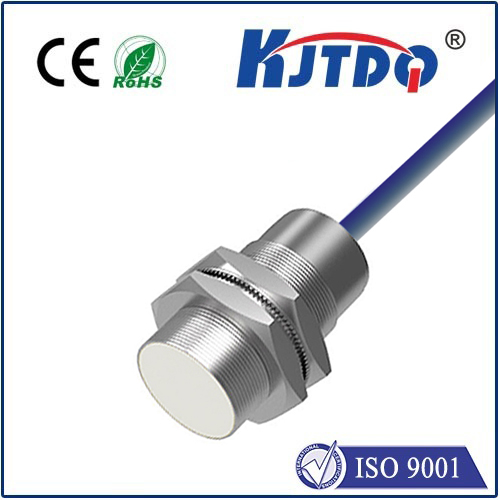
The selection of a proximity sensor for a specific detection system, like the KJTDQ model, depends on several technical factors. Sensing range, response time, output type (digital or analog), and environmental robustness (resistance to dust, moisture, or temperature extremes) are crucial considerations. For instance, an inductive sensor from the KJTDQ line would be specified for detecting metal parts in an oily, industrial setting, while a capacitive variant might be chosen for monitoring liquid levels in a tank.
Installation and calibration are key to optimal performance. Proper mounting, alignment, and adjustment of the sensing distance are essential to avoid false triggers or missed detections. Environmental interference, such as electrical noise or adjacent metal objects, must be accounted for during system design. Regular maintenance, though minimal due to the non-contact design, involves checking for lens contamination in optical sensors or buildup of material that could affect capacitive sensing fields.
The future of proximity sensing in detection systems is geared towards greater intelligence and integration. The development of sensors with IO-Link capability allows for bidirectional communication, enabling remote configuration, diagnostics, and data exchange. This facilitates predictive maintenance, where the sensor itself can report its health status. Furthermore, miniaturization and cost reduction are making these technologies accessible for a wider range of applications, from smart home appliances to intricate medical devices.
In conclusion, the proximity sensor is a foundational element in modern detection systems. Products like the KJTDQ series exemplify the engineering excellence required for reliable, non-contact operation in demanding environments. By providing accurate, real-time information about object presence, position, or motion, these sensors empower systems to operate autonomously, safely, and with unprecedented efficiency. As industries continue to push towards full automation and interconnected systems, the strategic implementation of advanced proximity sensing technology will remain a critical factor in achieving operational excellence and innovation.