check

check

check

check

check

check
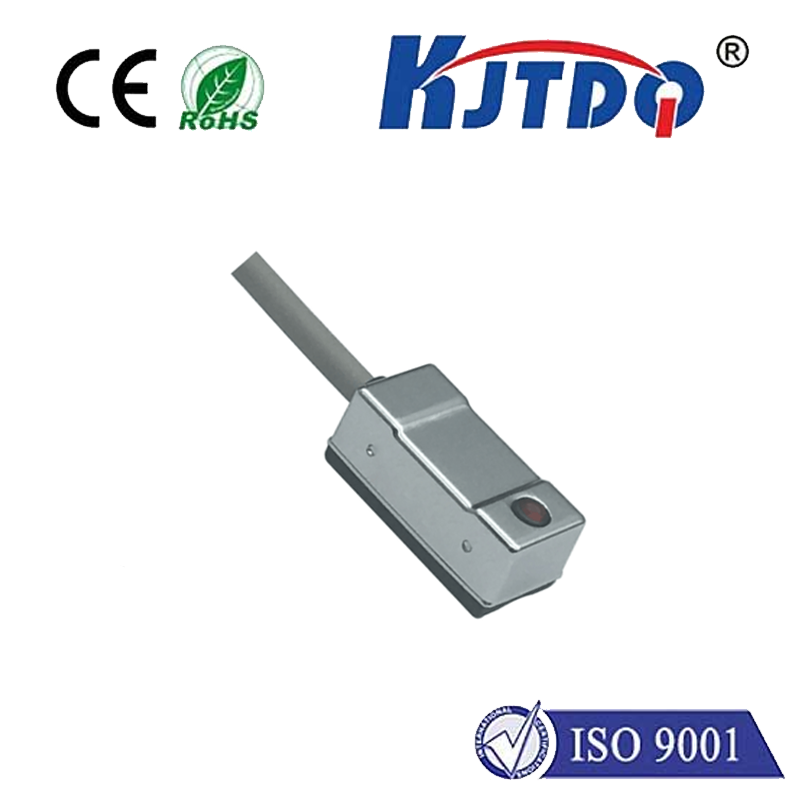
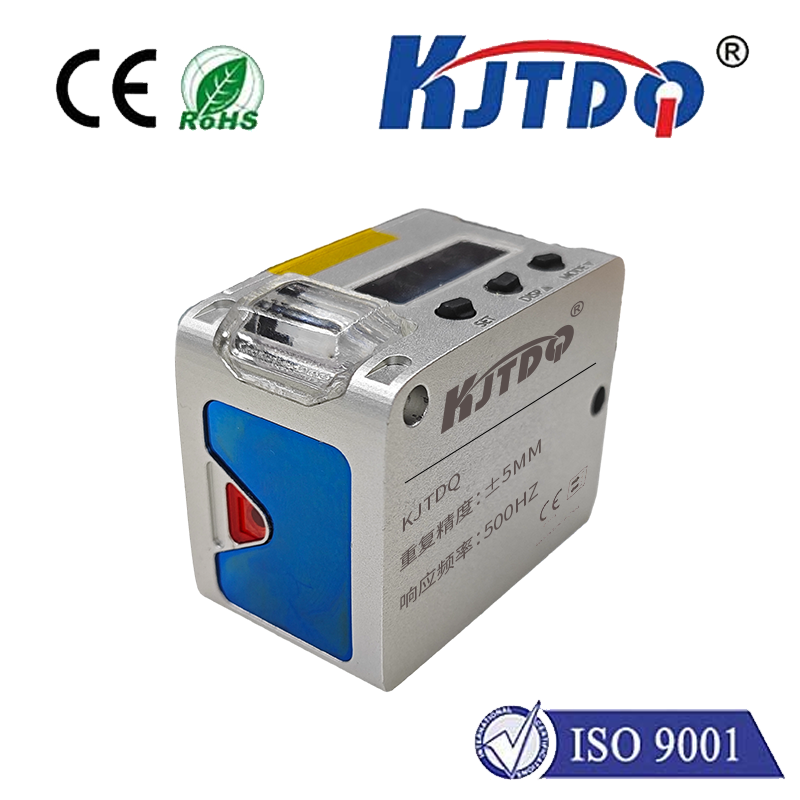
In the bustling heart of modern industry, where machines hum with relentless precision, there exists a silent sentinel. This is the world of the inductive proximity sensor, a fundamental component often overlooked yet indispensable to the seamless flow of automation. Unlike its optical or ultrasonic counterparts, this sensor operates on a principle as elegant as it is effective: electromagnetic induction.
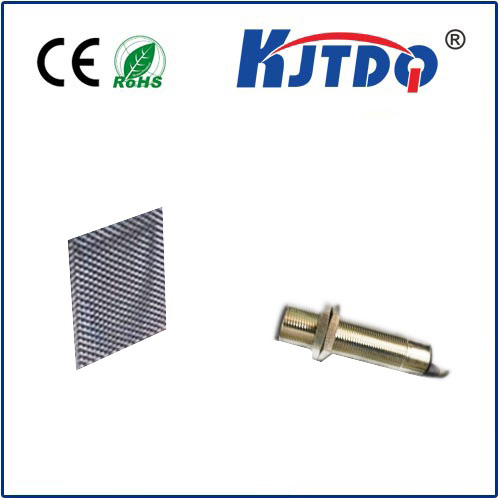
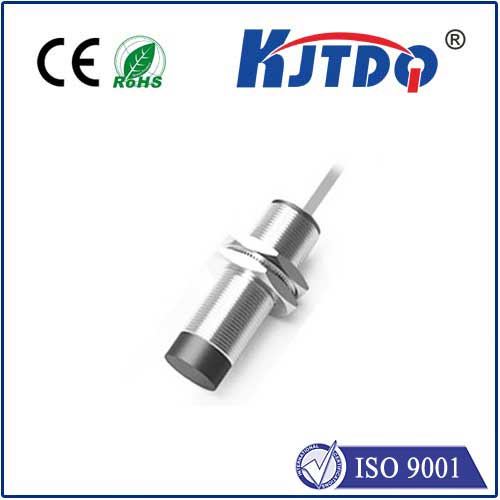
At its core, an inductive proximity sensor generates a high-frequency oscillating electromagnetic field from its active face. When a metallic object—be it steel, aluminum, copper, or brass—enters this field, eddy currents are induced on the surface of the target. This phenomenon dampens the oscillation within the sensor's coil. The integrated electronics detect this amplitude change and swiftly trigger a solid-state output signal. No physical contact is ever made. This non-contact detection is the cornerstone of its reliability, eliminating mechanical wear and tear and enabling millions of error-free operations.
The applications are as diverse as industry itself. On a high-speed packaging line, these sensors provide precise position feedback for robotic arms, ensuring every product is correctly placed. Within the hydraulic system of an excavator, they monitor the position of pistons and cylinders, contributing to precise control and safety. In automotive assembly, they verify the presence of metal components like engine blocks or wheel hubs, preventing incomplete products from moving to the next station. Their inherent robustness allows them to thrive in harsh environments—resistant to dust, oil, coolant sprays, and vibrations that would cripple other sensing technologies.
Choosing the right inductive sensor involves several key considerations. The sensing range, typically from a few millimeters to several tens of millimeters, must match the application. The housing material, often stainless steel or nickel-plated brass, is selected for chemical and mechanical resistance. Factor in the output type—PNP or NPN, normally open or normally closed—to ensure compatibility with the programmable logic controller (PLC). Modern advancements have led to miniaturized designs for tight spaces, analog output models for distance measurement, and even weld-field immune versions that ignore the strong magnetic interference from resistance welding.
The true value of these sensors lies in their contribution to operational excellence. By providing unwavering, real-time detection, they form the sensory nervous system of a factory. They prevent costly jams and collisions, reduce machine downtime, and enhance overall equipment effectiveness (OEE). Their simplicity and durability translate into lower total cost of ownership, requiring minimal maintenance over years of service. For engineers and plant managers, they represent a trusted solution for achieving precision, safety, and efficiency in material handling, machining, and countless other processes.
From the subtle detection of a tiny screw to the reliable monitoring of massive metal plates, inductive proximity sensors work tirelessly. They are the unseen guardians that empower machines to "see" and interact with the metallic world, forming an invisible yet critical layer of intelligence in the automated landscape. Their continued evolution promises even greater integration and smarter functionality, solidifying their role as a pillar of industrial innovation.