check

check

check

check

check

check
In the intricate world of modern automation and smart technology, achieving flawless, non-contact detection is paramount. Enter the Micro Proximity Sensor, a compact yet powerful component that has become the cornerstone of precision in countless applications. Far from being a simple switch, this device acts as an invisible guardian, enabling machines to "see" and react to their immediate environment with remarkable accuracy and reliability.
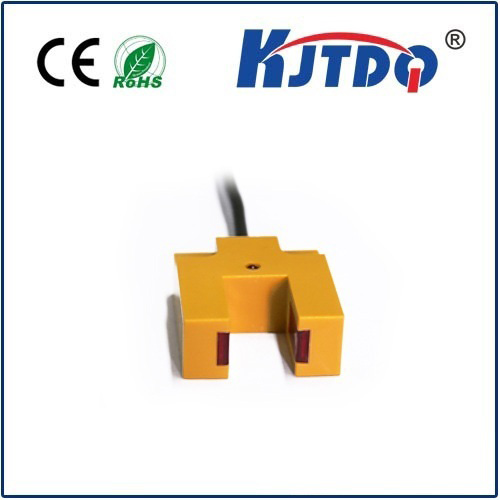
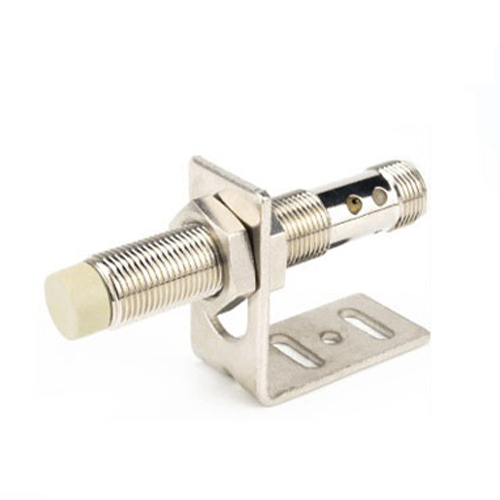
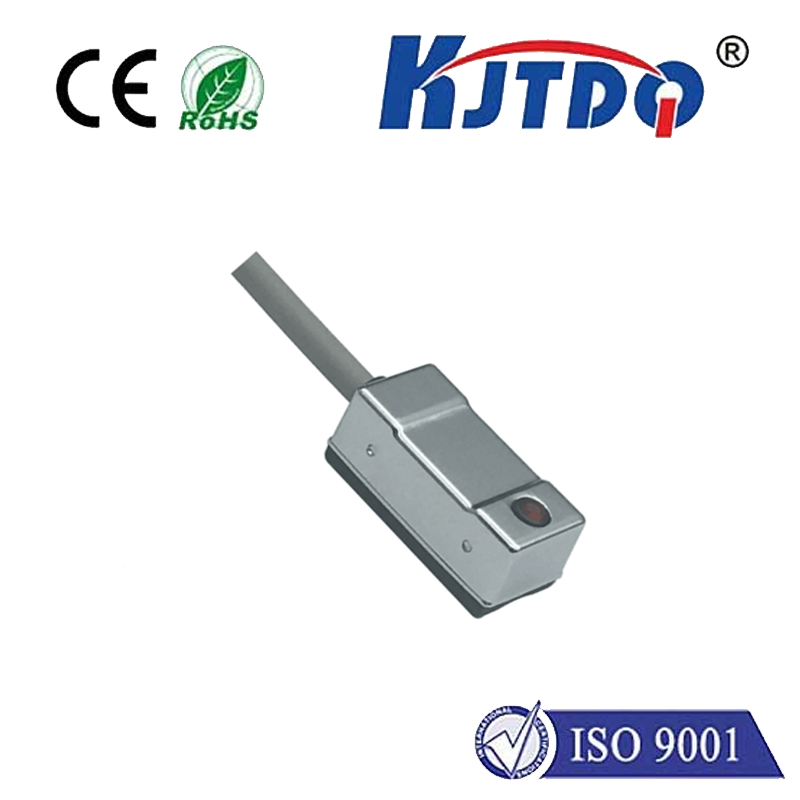
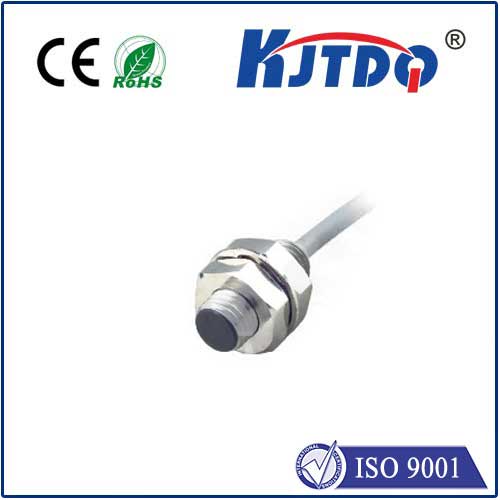
At its core, a Micro Proximity Sensor is an electronic device designed to detect the presence or absence of an object within a very short range without any physical contact. It operates by emitting an electromagnetic field or a beam of electromagnetic radiation, typically infrared light, and then monitoring for changes in the field or the return signal. The most common types are inductive sensors, for detecting metallic objects, and capacitive sensors, capable of sensing both metallic and non-metallic materials like plastic, glass, or liquids. Their "micro" designation often refers to their exceptionally small housing, sometimes as tiny as a few millimeters, allowing integration into space-constrained designs.
The advantages of deploying these sensors are multifaceted. Firstly, their non-contact nature eliminates mechanical wear and tear, leading to vastly extended operational lifespans and reduced maintenance costs. There is no physical force applied to either the sensor or the target object, which is crucial for delicate operations. Secondly, they offer incredibly high switching speeds and repeatability, capable of detecting objects thousands of times per minute with consistent accuracy. This makes them indispensable in high-speed production lines, robotics, and packaging machinery. Furthermore, their resilience is notable; they are generally immune to environmental factors like dust, oil, and moisture (with appropriate IP ratings), ensuring stable performance in harsh industrial settings.
The practical applications of Micro Proximity Sensors are vast and growing. In industrial automation, they are the eyes of assembly robots, ensuring components are correctly positioned before a weld or a pick-and-place operation. They count products on conveyor belts, control the precise positioning of CNC machine tools, and monitor fill levels in containers. Beyond the factory floor, they enhance daily life. In smartphones, a micro proximity sensor detects when the phone is held to the ear during a call, turning off the display to save power and prevent accidental screen touches. They are found in automatic faucets and soap dispensers, promoting hygiene, and in automotive systems for seat occupancy detection or gear position sensing.
Selecting the right Micro Proximity Sensor requires careful consideration of several parameters. The sensing distance, or range, is critical and must be chosen based on the application's needs. The sensor's housing size and shape (barrel, rectangular, etc.) must fit the installation space. The type of output (e.g., NPN or PNP transistor) must be compatible with the control system (PLC). Environmental conditions like temperature extremes, potential chemical exposure, and required ingress protection (IP code) are also decisive factors. Proper installation is equally important; ensuring correct alignment, avoiding mutual interference between multiple sensors, and accounting for the material and size of the target object are all essential for optimal performance.
Looking ahead, the evolution of Micro Proximity Sensors is aligned with the trends of miniaturization and intelligence. Sensors are becoming even smaller while offering longer sensing ranges and smarter functionalities, such as integrated IO-Link communication for diagnostics and parameter setting. This allows for predictive maintenance and easier integration into Industry 4.0 and IoT frameworks. As robotics, consumer electronics, and medical devices continue to advance, the demand for these reliable, precise, and tiny sensing solutions will only intensify.
In conclusion, the Micro Proximity Sensor is a fundamental enabling technology that operates silently in the background. Its ability to provide accurate, non-contact detection in a miniature package makes it an unsung hero of efficiency, safety, and innovation across industries. From speeding up manufacturing to making consumer devices more intuitive, this sensor proves that sometimes, the most significant impacts come from the smallest components.