check

check

check

check

check

check
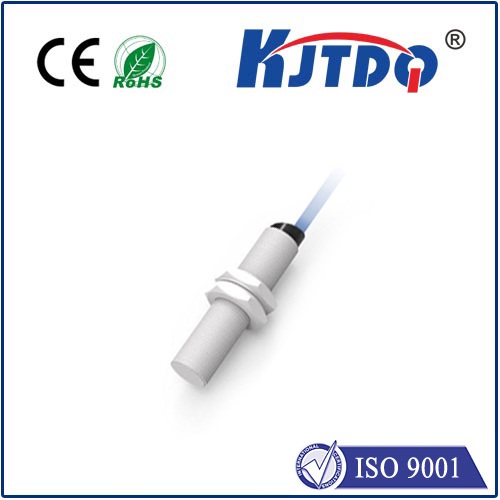
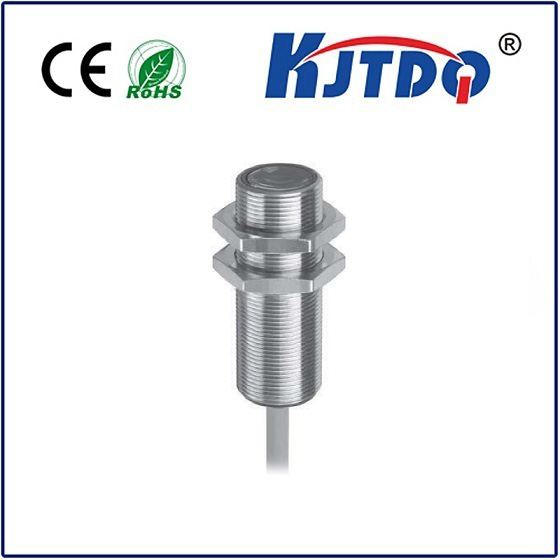
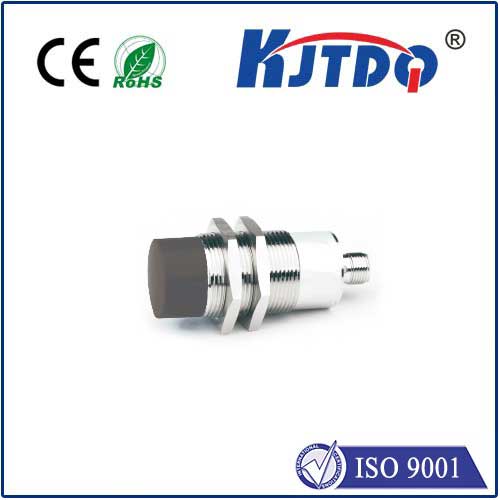
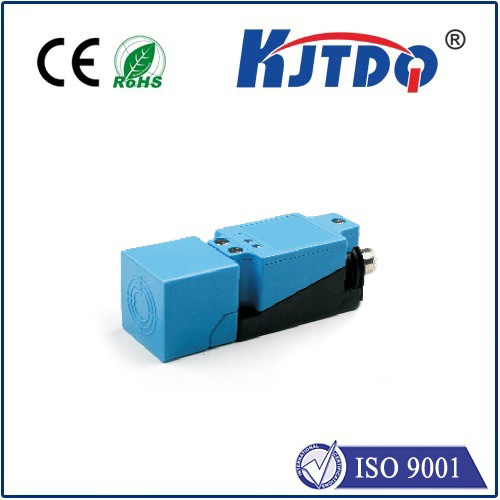
In the world of industrial automation, precision and reliability are non-negotiable. Among the myriad of components that keep production lines humming, the non flush inductive sensor stands out as a critical workhorse for proximity detection. Unlike its flush-mounted counterpart, this sensor is designed with a sensing face that protrudes from its housing, allowing it to detect metallic objects at a greater range and with enhanced sensitivity. This fundamental design difference makes it the go-to choice for countless applications where standard sensors fall short.
The core principle behind a non flush inductive sensor is electromagnetic induction. The sensor generates an oscillating electromagnetic field from its exposed sensing face. When a metallic target enters this field, eddy currents are induced within the metal, causing a change in the oscillation amplitude within the sensor. This change is detected by the internal circuitry, which then triggers a solid-state switching signal. The protruding design means the electromagnetic field is less restricted, leading to a larger sensing range—often two to three times that of a flush sensor of the same size. This extended range provides a crucial buffer in dynamic environments, ensuring detection even if a target's position varies slightly due to vibration or mechanical wear.
The advantages of deploying non flush inductive sensors are substantial. Their primary benefit is the increased sensing distance, which allows for more flexible machine design and installation. Engineers can mount these sensors further from the target, reducing the risk of physical damage from accidental impacts. This is particularly valuable in harsh environments where machinery is subject to shock and vibration. Furthermore, the ability to detect metals without physical contact eliminates mechanical wear on both the sensor and the target, ensuring a long operational life with minimal maintenance. They are inherently robust, typically housed in stainless steel or nickel-plated brass bodies with epoxy-sealed electronics, making them resistant to dust, coolants, and oils commonly found in manufacturing settings.
Typical applications for these sensors are diverse and critical. They are extensively used for precise position detection of metal parts on conveyor belts, such as verifying the presence of a piston in a cylinder or a gear on a shaft. In robotic arms, they provide end-point verification for grippers handling metal components. They also play a vital role in rotary encoding, where they detect gear teeth or bolts on a rotating shaft to monitor speed and position. In automated assembly lines, they ensure parts are correctly positioned before a welding or riveting operation commences, preventing costly errors and downtime.
Selecting the right non flush inductive sensor requires careful consideration of several parameters. The sensing range, specified by the manufacturer, is the most critical. It's essential to choose a sensor with a range that accommodates the application's required operating distance with a safety margin. The target material also matters; while they detect all metals, the effective sensing distance is reduced for non-ferrous metals like aluminum or copper compared to steel. The sensor's housing size and thread type (e.g., M8, M12, M18) must fit the mounting location. Environmental factors like temperature extremes, potential submersion, or exposure to strong electromagnetic interference should guide the choice of an appropriately rated sensor (e.g., IP67, IP69K).
Installation and maintenance are straightforward but crucial for optimal performance. Ensure the sensor is mounted securely to prevent movement that could alter the sensing gap. The sensing face must be kept clean from metallic swarf, dust, or thick buildup, as contaminants can reduce the effective sensing range. While these sensors are solid-state and have no moving parts to wear out, periodic functional checks are recommended as part of a preventative maintenance schedule to verify switching reliability.
In conclusion, the non flush inductive sensor is an indispensable component in modern industrial systems. Its unique protruding design offers a perfect blend of extended range, rugged durability, and non-contact operation. By understanding its operating principles, advantages, and proper application guidelines, engineers and maintenance professionals can significantly enhance the reliability, safety, and efficiency of their automated processes. For demanding environments where standard proximity detection is inadequate, this sensor provides a robust and trusted solution.