check

check

check

check

check

check
In the world of industrial automation and machine control, precision and reliability are non-negotiable. Among the myriad of components that ensure seamless operation, the DC proximity sensor stands out as a fundamental pillar. This guide delves into the core of DC proximity sensors, exploring their working principles, key advantages, diverse applications, and critical selection criteria, empowering you to make informed decisions for your systems.
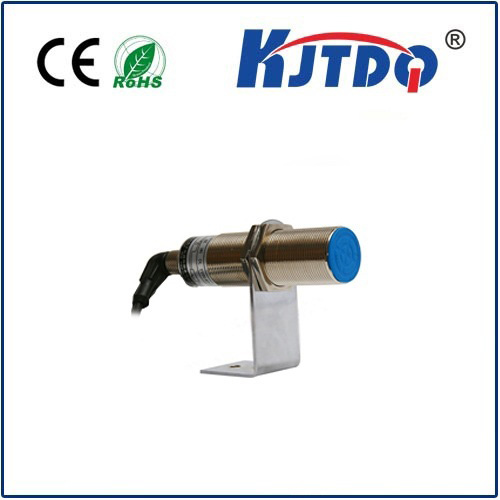
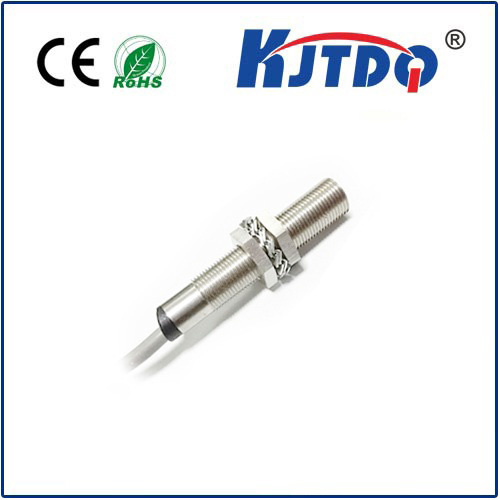
At its heart, a DC proximity sensor is an electronic device designed to detect the presence or absence of a metallic target without any physical contact. It operates on a simple yet ingenious principle: electromagnetic induction. The sensor contains an oscillator circuit that generates a high-frequency electromagnetic field at its active face. When a ferrous or non-ferrous metal object enters this field, eddy currents are induced on the target's surface. This causes a change in the oscillation amplitude within the sensor, which is then detected by a threshold circuit. This change triggers a solid-state output switch, sending a clear DC signal to the connected controller, such as a PLC. The entire process is remarkably fast, wear-free, and unaffected by environmental factors like dust, oil, or moisture when properly housed.
The shift from traditional mechanical limit switches to DC-powered proximity sensors brings a transformative set of benefits. First and foremost is the complete absence of physical contact, which eliminates mechanical wear and tear, dramatically extending the sensor's operational lifespan—often into millions of cycles. This non-contact nature also allows for incredibly high switching speeds, enabling detection of objects moving at high velocities, a task impossible for mechanical arms. Furthermore, DC sensors, typically operating on low voltages like 12-24V DC, are known for their consistent performance and compatibility with modern programmable logic controllers. Their solid-state construction makes them exceptionally resistant to vibration, shock, and harsh industrial environments. Unlike their AC counterparts, DC sensors often feature a more compact design and provide a constant voltage output, which is simpler to interface with most contemporary digital control systems.
The versatility of DC proximity sensors is showcased across virtually every industry. On automated assembly lines, they are the silent sentinels that count products, verify part placement, and control robotic arm movements with pinpoint accuracy. In the automotive sector, they monitor piston position, control robotic welding arms, and ensure safety in press machines. Packaging machinery relies on them for precise label positioning and fill-level control. Beyond manufacturing, they play crucial roles in elevator floor positioning, conveyor belt speed monitoring, and even in consumer electronics for detecting lid closure. Their ability to function reliably in confined spaces and under demanding conditions makes them indispensable.
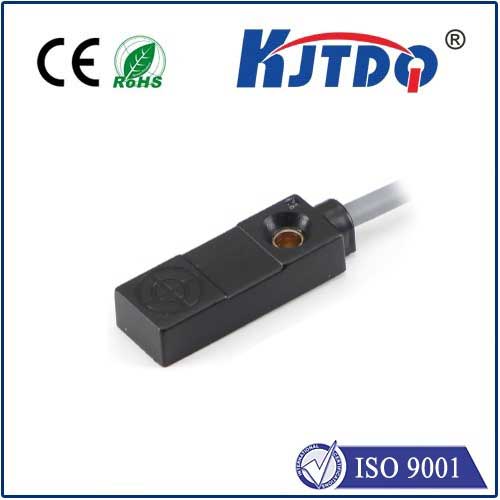
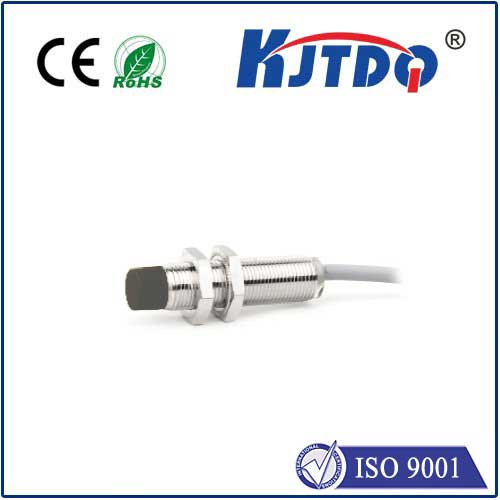
Selecting the right DC proximity sensor is paramount for optimal performance. Several factors must be carefully considered. The sensing distance, or nominal range, must be chosen with a safety margin to account for target material variations and installation tolerances. The target material itself is critical; while ferrous metals like steel offer the longest detection range, sensors can be specifically tuned for aluminum, copper, or brass. The housing material, typically nickel-plated brass, stainless steel, or PBT plastic, must withstand the environmental challenges of the application, including exposure to coolants, chemicals, or extreme temperatures. Output configuration is another key choice: NPN (sinking) or PNP (sourcing) transistors, which must match the input requirements of your controller. Finally, the physical form factor—barrel-style, rectangular, or slot-type—must fit the mechanical constraints of the installation.
To ensure longevity and consistent accuracy, proper installation and maintenance are essential. Mounting the sensor securely to minimize vibration is crucial. Maintaining the correct gap between the sensor face and the target, as specified in the datasheet, prevents false triggers or missed detections. It is also vital to ensure that metal mounting hardware or surrounding structures do not interfere with the sensor's electromagnetic field. While these sensors are largely maintenance-free, periodic checks for physical damage, buildup of debris on the sensing face, and verification of output signals are recommended as part of a routine preventive maintenance schedule.
From enabling the precision of high-speed robotics to ensuring the safety of heavy machinery, the DC proximity sensor is a testament to elegant engineering solving complex industrial challenges. Its blend of durability, speed, and non-contact operation continues to drive efficiency and innovation. By understanding its capabilities and specifications, engineers and technicians can harness this powerful tool to build more reliable, productive, and intelligent automated systems for the future.