check

check

check

check

check

check
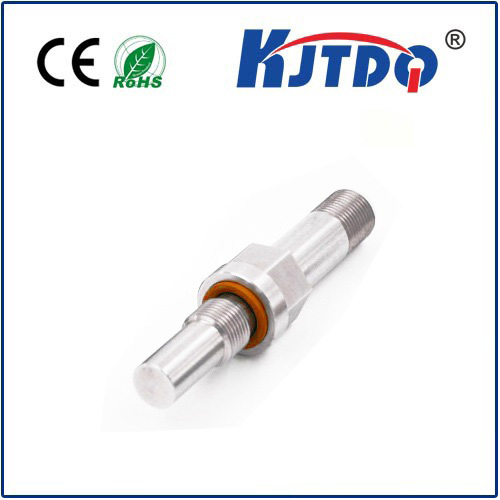
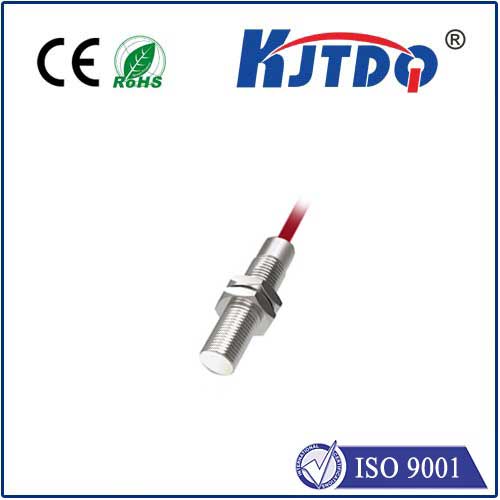
In the fast-paced world of industrial manufacturing and automation, precision, reliability, and safety are non-negotiable. The integration of advanced sensing technology has become a cornerstone for modern facilities aiming to optimize operations and minimize downtime. Among these critical components, the proximity sensor stands out as a fundamental element for non-contact detection and measurement. Specifically designed for harsh industrial environments, the KJTDQ Proximity Sensor for Industrial Equipment represents a significant leap forward in sensing technology, offering unparalleled performance where it matters most.
Industrial equipment operates under demanding conditions—exposure to extreme temperatures, moisture, dust, vibrations, and electromagnetic interference is commonplace. Traditional mechanical switches or less robust sensors often fail in such settings, leading to costly production halts, safety hazards, and maintenance headaches. The KJTDQ Proximity Sensor is engineered to withstand these challenges. Constructed with high-grade, durable materials and featuring a sealed housing, it provides exceptional resistance to environmental factors. This rugged design ensures consistent operation in applications ranging from metal machining and assembly lines to material handling and packaging systems, without succumbing to wear and tear.
The core functionality of this sensor lies in its ability to detect the presence or absence of a target object without any physical contact. Utilizing high-frequency oscillation or capacitive sensing principles, the KJTDQ sensor can identify metallic or non-metallic objects with high accuracy and repeatability. This non-contact nature eliminates mechanical friction, dramatically extending the sensor's service life and reducing maintenance requirements. For instance, on a high-speed conveyor system, these sensors can reliably detect the position of components, triggering subsequent actions like sorting, counting, or robotic arm activation with millisecond precision. This capability is vital for maintaining seamless workflow continuity and achieving high throughput.
One of the most critical applications of the KJTDQ Proximity Sensor is in enhancing workplace safety. In areas where machinery poses pinch points or crushing hazards, these sensors act as a primary safety component. They can be integrated into safety light curtains or interlock systems to detect personnel or foreign objects entering a dangerous zone, immediately signaling the equipment to stop or enter a safe mode. This proactive approach to hazard prevention helps companies comply with stringent international safety standards like ISO 13849 and reduces the risk of accidents, protecting both personnel and assets.
Beyond safety, the economic and operational benefits are substantial. The precision offered by the KJTDQ sensor contributes directly to quality control. In automated welding stations, for example, precise detection of part placement ensures weld consistency and product integrity. Its fast response time and high switching frequency allow machinery to operate at optimal speeds, boosting overall production efficiency. Furthermore, the sensor's energy-efficient design and long operational lifespan translate into lower total cost of ownership. Reduced frequency of replacements and minimal unplanned downtime lead to significant savings in operational expenditures over time.
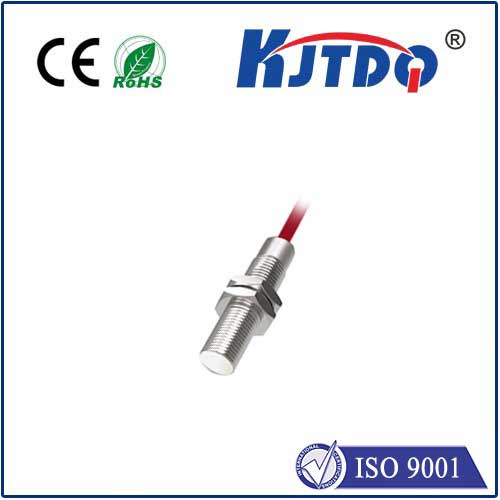
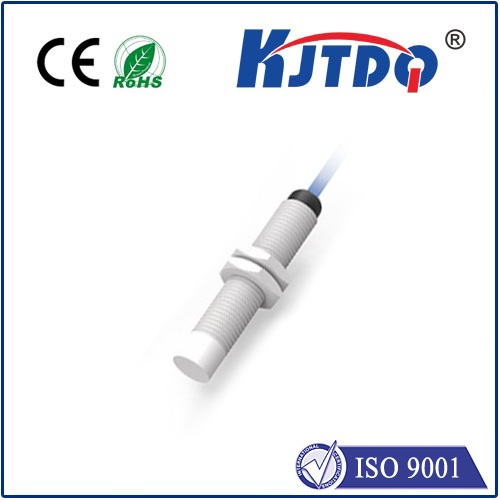
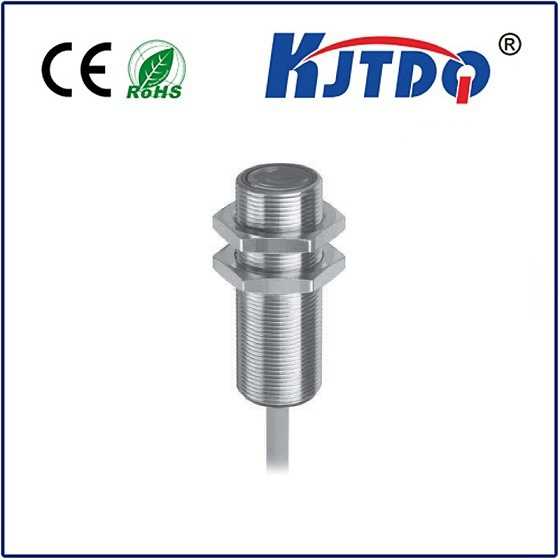
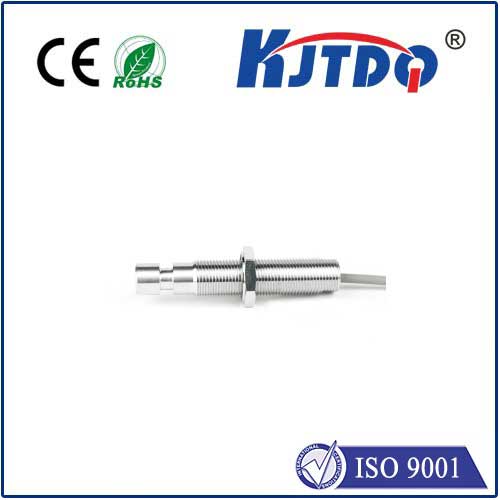
Installation and integration are streamlined for ease of use. The KJTDQ Proximity Sensor often comes in various form factors (cylindrical, rectangular) and sensing ranges to fit diverse application needs. Many models feature LED status indicators for easy diagnostics and setup. Compatibility with standard industrial voltage levels and output types (PNP/NPN, NO/NC) ensures they can be seamlessly incorporated into existing Programmable Logic Controller (PLC) networks or other control systems without requiring extensive retrofitting.
As industries move towards the principles of Industry 4.0 and smart manufacturing, the role of intelligent sensors becomes even more pivotal. The data generated by reliable sensors like the KJTDQ Proximity Sensor can be fed into supervisory control and data acquisition (SCADA) systems or the Industrial Internet of Things (IIoT) platforms. This data enables predictive maintenance strategies, where trends in sensor performance can forecast potential failures before they occur, allowing for scheduled maintenance and avoiding catastrophic breakdowns. This shift from reactive to proactive asset management is a key driver for operational excellence.
In conclusion, the operational landscape of modern industry demands tools that are not only robust and accurate but also intelligent and adaptable. The KJTDQ Proximity Sensor for Industrial Equipment meets these demands head-on. By providing reliable non-contact detection, enhancing safety protocols, improving product quality, and enabling smarter maintenance strategies, it proves to be an indispensable asset for any operation seeking to thrive in a competitive market. Investing in such advanced sensing technology is not merely an upgrade; it is a strategic decision to build a foundation for safer, more efficient, and more profitable industrial production.