check

check

check

check

check

check
In the rapidly evolving landscape of industrial automation, precision, reliability, and efficiency are non-negotiable. At the heart of countless automated systems lies a critical, yet often understated component: the proximity sensor. This technology serves as the essential "eyes" of machinery, enabling non-contact detection of objects and forming the foundational layer for intelligent control and seamless operation. Unlike traditional mechanical switches, proximity sensors offer a wear-free solution, dramatically reducing maintenance needs and enhancing system longevity.
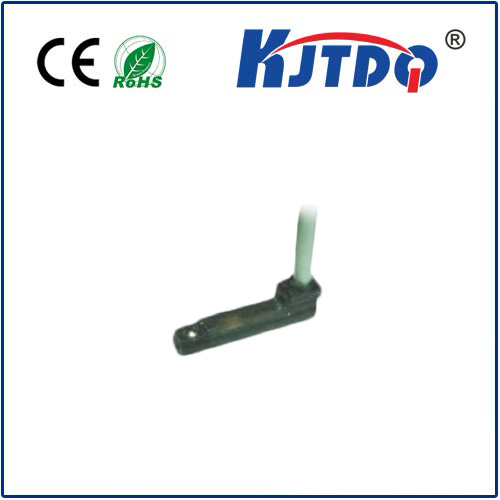
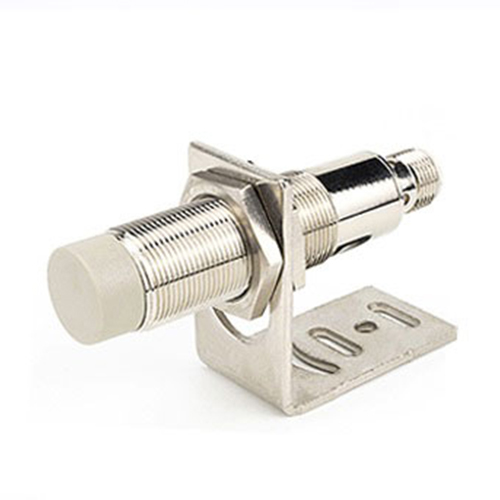
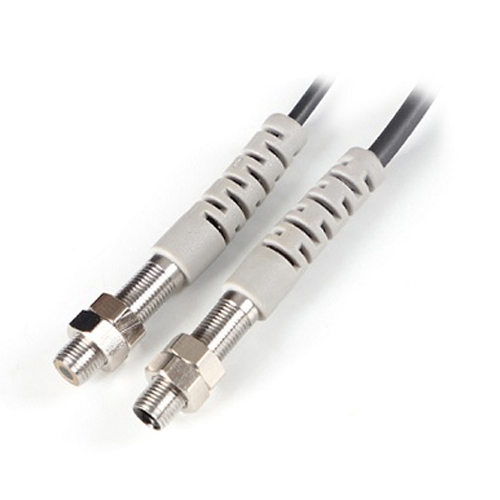
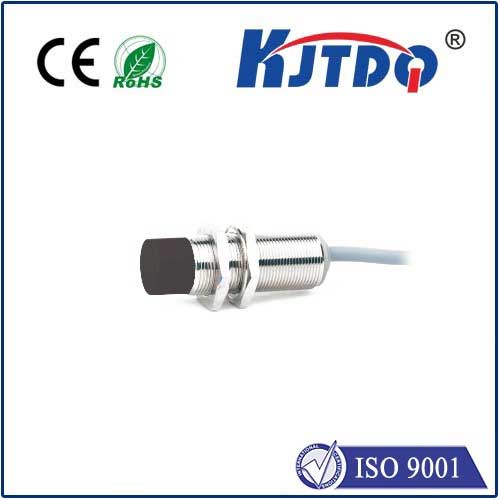
Proximity sensors operate on various principles, with inductive, capacitive, and photoelectric being the most prevalent in automation control. Inductive sensors are the workhorses for detecting metallic objects. They generate an electromagnetic field, and when a metal target enters this field, it causes a change in oscillation, triggering the sensor's output. This makes them ideal for harsh industrial environments—think robotic arms positioning metal components on an assembly line, monitoring gear rotation, or ensuring a machine door is securely closed before initiation.
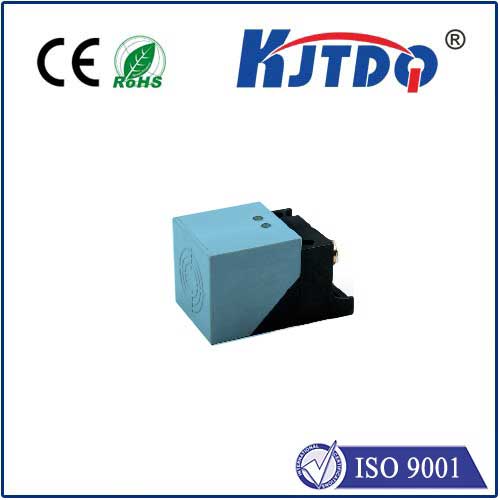
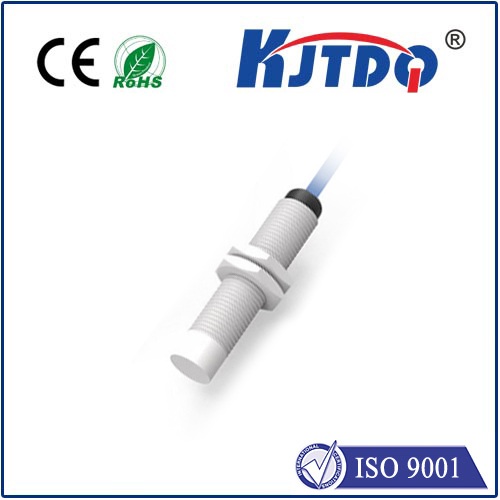
Capacitive sensors, on the other hand, can detect a wider range of materials, including metals, plastics, liquids, and granular substances. They function by measuring changes in capacitance caused by the presence of any material that alters the electrical field around the sensor's face. This versatility is invaluable in applications like liquid level control in tanks, detecting non-metallic packaging on a conveyor belt, or monitoring the presence of wood or glass panels.
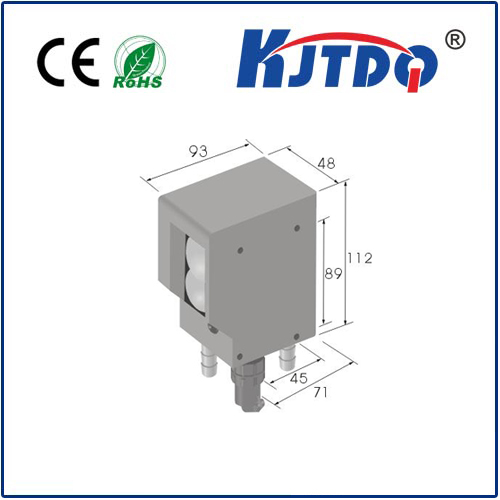
For applications requiring long-range detection or precise positioning of non-metallic objects, photoelectric sensors are the go-to choice. They emit a beam of light (visible red, infrared, or laser) and detect its reflection or interruption. Through-beam sensors, where the emitter and receiver are separate units, offer the longest range and highest reliability for object detection. Retro-reflective and diffuse reflective models provide more compact solutions for distance sensing and presence detection on complex production lines.
The integration of proximity sensors into automation control systems unlocks a new dimension of operational intelligence. By providing real-time, binary (on/off) feedback to a Programmable Logic Controller (PLC) or other control unit, these sensors are pivotal in sequence control, safety interlocking, counting, and positioning. For instance, a sensor can confirm a part is correctly seated before a welding robot begins its cycle, preventing costly errors and damage. On automated guided vehicles (AGVs), an array of sensors ensures safe navigation by detecting obstacles and defining pathways.
The benefits for modern manufacturing and process automation are substantial. The non-contact nature eliminates physical wear and tear, leading to significantly lower maintenance costs and less downtime. High-speed switching capabilities allow for faster machine cycles, boosting overall throughput. Furthermore, their robust construction, often with IP67 or higher ratings, ensures reliable performance in environments filled with dust, moisture, vibration, and extreme temperatures.
When selecting a proximity sensor for a specific automation control task, several key factors must be considered. The sensing distance, target material, required output type (PNP/NPN), supply voltage, and environmental conditions are all critical. Proper mounting and shielding are also essential to avoid false triggers from adjacent metal or electrical noise, a common challenge in dense control panels.
Looking ahead, the role of proximity sensors is expanding with trends like Industry 4.0 and the Industrial Internet of Things (IIoT). Modern sensors are increasingly equipped with IO-Link communication, enabling not just state detection but also the transmission of diagnostic data—such as operating temperature, signal strength, and device health—to higher-level systems. This predictive maintenance capability allows engineers to address potential issues before they cause a line stoppage, moving from reactive to proactive asset management.
In conclusion, the proximity sensor is far more than a simple switch. It is a fundamental enabler of automation control, providing the critical data points that allow machines to operate autonomously, safely, and with exceptional efficiency. From automotive manufacturing to food processing and packaging, the precise and reliable detection offered by these devices ensures smooth, continuous, and intelligent industrial operations. As automation grows more sophisticated, the humble proximity sensor will continue to be an indispensable component in building the smart factories of the future.