check

check

check

check

check

check
In the fast-paced world of industrial automation and material handling, the reliability of conveyor systems is paramount. Downtime can lead to significant production losses and operational headaches. At the heart of ensuring smooth, continuous operation lies a critical yet often overlooked component: the inductive sensor. Specifically designed for conveyor applications, this technology is a cornerstone of modern industrial efficiency.
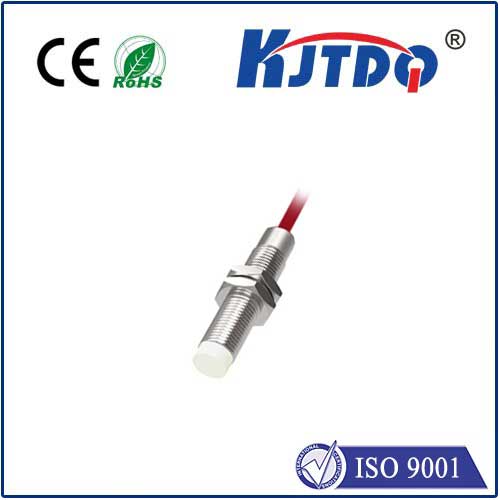
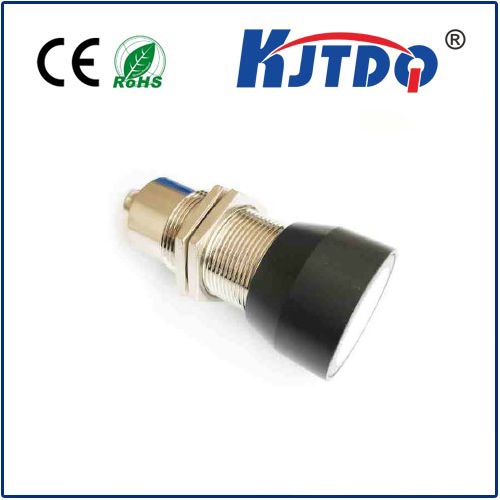
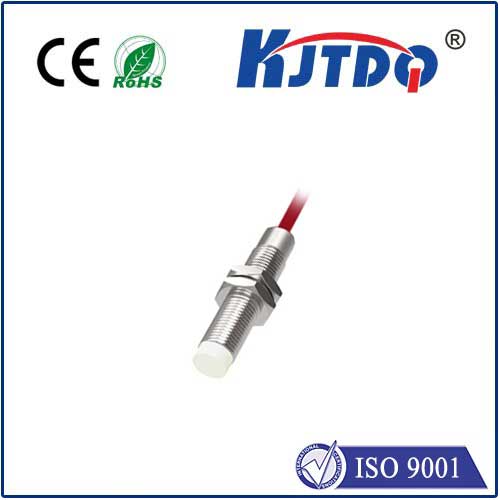
An inductive sensor for conveyor systems is a non-contact electronic device that detects the presence or absence of metallic objects without physical contact. It operates on the principle of electromagnetic induction. The sensor generates an oscillating electromagnetic field from its active face. When a metallic target, such as a steel plate on a conveyor chain, a metal pallet, or even a small metal part, enters this field, it induces eddy currents within the target. These currents cause a change in the oscillation amplitude within the sensor, which is then processed by its internal circuitry to trigger a solid-state switching signal. This signal is used to control machinery, provide positional feedback, or count objects.
The application of inductive sensors on conveyors is diverse and crucial. One primary function is precise position detection. Sensors can be mounted along the conveyor to detect the exact location of pallets, carriers, or products, ensuring they are correctly positioned for loading, unloading, or transfer to another line. This prevents jams and misalignments. Another vital application is speed monitoring and control. By detecting regularly spaced metal targets on a conveyor roller or chain, the sensor provides pulse signals that can be used to calculate conveyor speed, enabling real-time adjustments to maintain optimal throughput.
Furthermore, inductive sensors are extensively used for object counting and sorting. In bottling or packaging lines where containers may have metal caps or lids, these sensors accurately count items as they pass by. They can also trigger sorting mechanisms to divert specific products. For safety and control, they serve as end-of-travel limit switches, detecting when a conveyor carriage has reached its terminal point to prevent overtravel and potential damage.
The advantages of using inductive sensors in such demanding environments are substantial. Their non-contact nature means there is no mechanical wear, leading to exceptionally long service life and minimal maintenance. They are inherently robust, typically housed in rugged metal or high-grade polymer casings with high Ingress Protection (IP) ratings like IP67 or IP69K. This makes them resistant to dust, moisture, oil, and coolant splashes commonly found in factories and warehouses. They are immune to ambient light, dirt, and most environmental contaminants that can plague optical sensors. With fast response times, often in the microsecond range, they can keep up with high-speed conveyor operations without missing a beat.
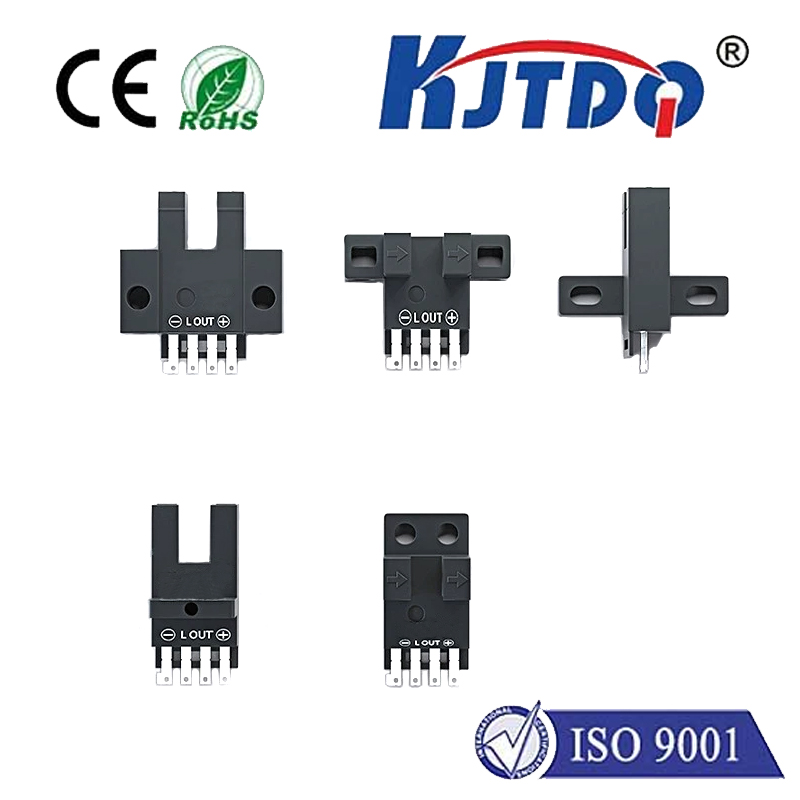
When selecting an inductive sensor for a conveyor system, several key specifications must be considered. The sensing distance, or nominal range, must be appropriate for the application, ensuring reliable detection without being overly sensitive to background metal. The housing shape—tubular, rectangular, or slot-type—must suit the mounting constraints. Factors like the target material (steel, aluminum, brass), target size, and required output type (PNP/NPN, NO/NC) are critical for integration with Programmable Logic Controllers (PLCs). For challenging environments, sensors with weld-field immunity are essential to prevent false triggering from strong electromagnetic interference generated by nearby welding equipment.
Installation and alignment are straightforward but important. The sensor should be mounted securely to avoid vibration-induced misalignment. Maintaining the correct gap between the sensor face and the target is crucial for consistent operation. Regular checks should be part of a preventive maintenance schedule to ensure the sensing face remains clean and free from metallic debris buildup, which could theoretically affect performance.
The integration of advanced inductive sensors with Industrial Internet of Things (IIoT) platforms represents the future. Smart sensors with IO-Link communication can provide not just a simple on/off signal but also diagnostic data like operating temperature, signal strength, and operating hours. This enables predictive maintenance, where potential issues can be addressed before they cause a conveyor stoppage, taking operational reliability to a new level.
In conclusion, the inductive sensor is far more than a simple switch; it is an intelligent sentinel for conveyor systems. By providing reliable, non-contact detection of metal objects, it forms the essential sensory layer that enables automation, control, and safety. From simple presence detection to complex positional control and predictive analytics, the right inductive sensor solution ensures that conveyor systems—the arteries of material handling—operate at peak efficiency, minimizing downtime and maximizing productivity in any industrial setting.