check

check

check

check

check

check
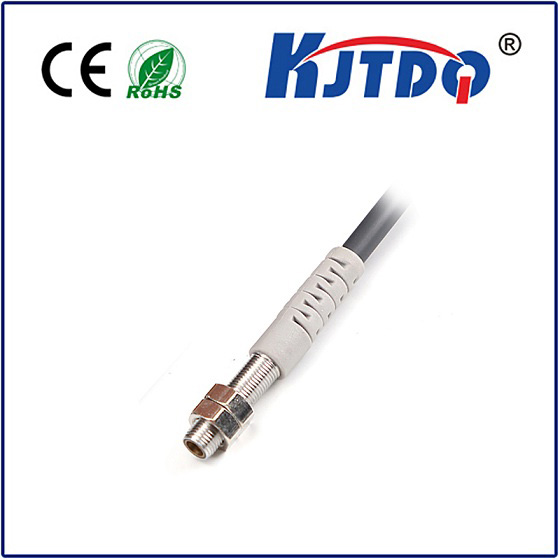
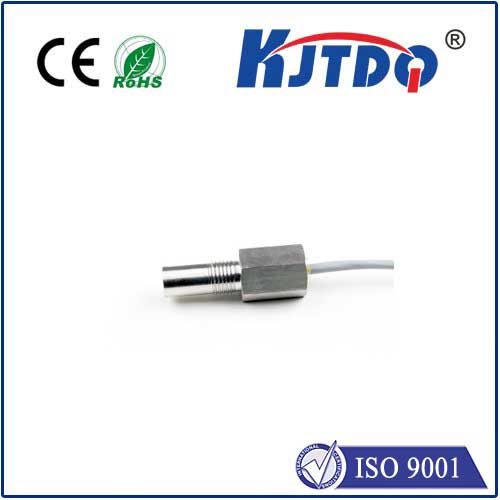
In the fast-paced world of commercial and industrial printing, every micron of misalignment and every millisecond of downtime translates into lost revenue and compromised quality. At the heart of maintaining the relentless rhythm of a modern printing press lies a critical, yet often overlooked component: the proximity sensor. Specifically designed for the harsh, dynamic environment of printing machinery, these sensors are the silent guardians of precision, ensuring that every sheet, every plate, and every cylinder is in its exact rightful place.
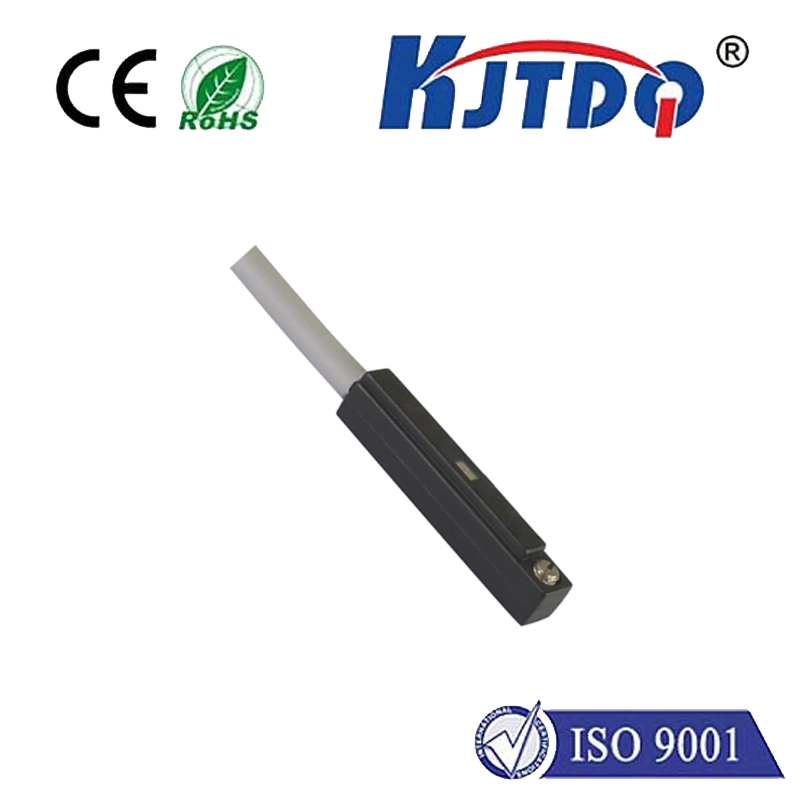
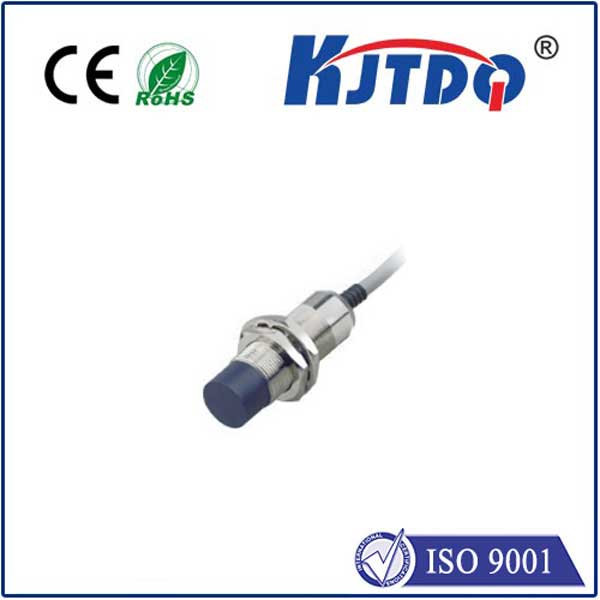
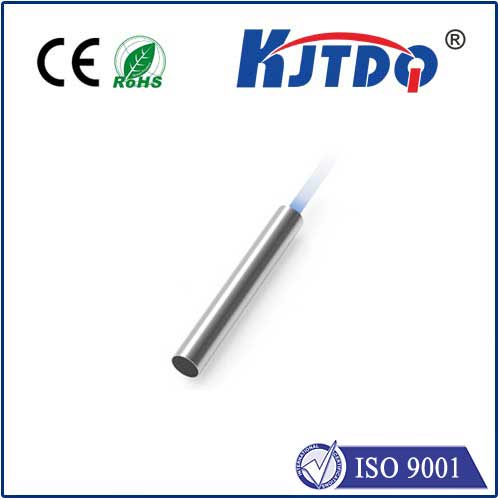
Unlike traditional mechanical limit switches, a proximity sensor for a printing machine operates without physical contact. It emits an electromagnetic field or a beam of light to detect the presence or absence of a metallic target, such as a printing plate cylinder, a paper sheet, or a foil stamping die. This non-contact nature is its superpower. It eliminates wear and tear, reduces maintenance needs, and provides incredibly fast and reliable feedback to the machine's central control system. Imagine a high-speed web press running at thousands of feet per minute; a mechanical switch would quickly degrade, but a robust inductive or capacitive proximity sensor performs flawlessly, cycle after cycle.
The applications within a printing machine are numerous and vital. One primary use is sheet detection and registration. Sensors precisely monitor the leading and trailing edges of paper as it feeds into the press, ensuring perfect alignment before the impression cylinders apply ink. Any skew or double sheet is instantly detected, preventing a costly jam or a batch of misprinted materials. Another crucial application is in plate cylinder positioning. Modern presses with automatic plate changers rely on sensors to confirm the exact angular position of the cylinder, guaranteeing that the new plate is locked in with pixel-perfect accuracy. Furthermore, they monitor ink level in fountains, control the tension on paper webs, and verify the presence of finishing elements like staples or glue in post-press equipment.
The operational environment of a printing press is demanding. It is filled with paper dust, aerosolized ink particles, chemical vapors from solvents and cleaners, and constant vibration. A standard industrial sensor might fail under these conditions. Therefore, a proximity sensor engineered for printing machinery is built to withstand these challenges. Key features include high IP ratings for dust and moisture resistance, robust housing materials resistant to common printing chemicals, and advanced circuitry that filters out electrical noise from powerful drive motors. Their design often allows for easy adjustment and mounting in the cramped quarters of a press frame.
Investing in high-quality, application-specific proximity sensors like the KJTDQ series delivers a compelling return on investment. The most immediate benefit is a dramatic reduction in unplanned downtime. By preventing misalignments, jams, and registration errors before they ruin a job, these sensors keep the press running. This leads to higher overall equipment effectiveness (OEE). Secondly, they ensure consistent, high print quality. Precise registration means sharper images, perfect color alignment, and professional results every time, reducing waste from scrapped prints. Finally, their durability and low maintenance requirements lower the total cost of ownership over the machine's lifespan, freeing up technicians for more valuable tasks.
When selecting a proximity sensor for a printing machine, several technical specifications must be considered. Sensing distance, response frequency, and output type (PNP/NPN) must match the machine's control system. The material of the target is also critical; inductive sensors detect metals, while capacitive sensors can detect non-metallics like paper or plastic. For environments with heavy ink or foil debris, sensors with a "flush" mounting design are preferable to prevent material buildup. Consulting with a specialist or the machine OEM is always recommended to ensure compatibility and optimal performance.
As printing technology evolves towards more automation and digital integration, the role of the proximity sensor becomes even more central. They are the essential data points that feed into Industry 4.0 frameworks, allowing for predictive maintenance, real-time performance analytics, and seamless workflow integration. From a small label press to a massive newspaper printing line, the humble proximity sensor is a foundational element of modern, efficient, and competitive print production. Choosing the right one is not just a technical decision; it's a strategic investment in reliability, quality, and ultimately, the bottom line.